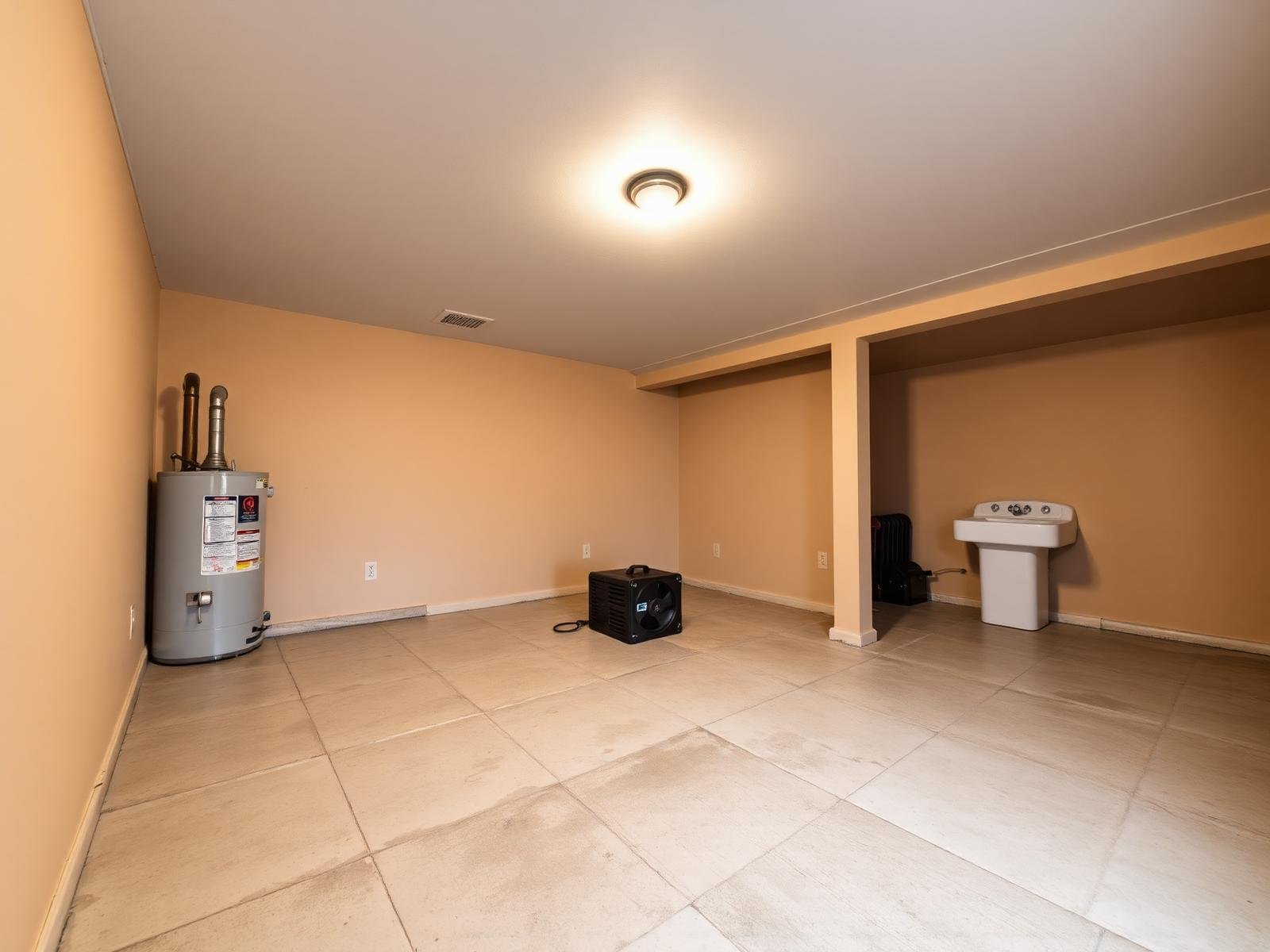
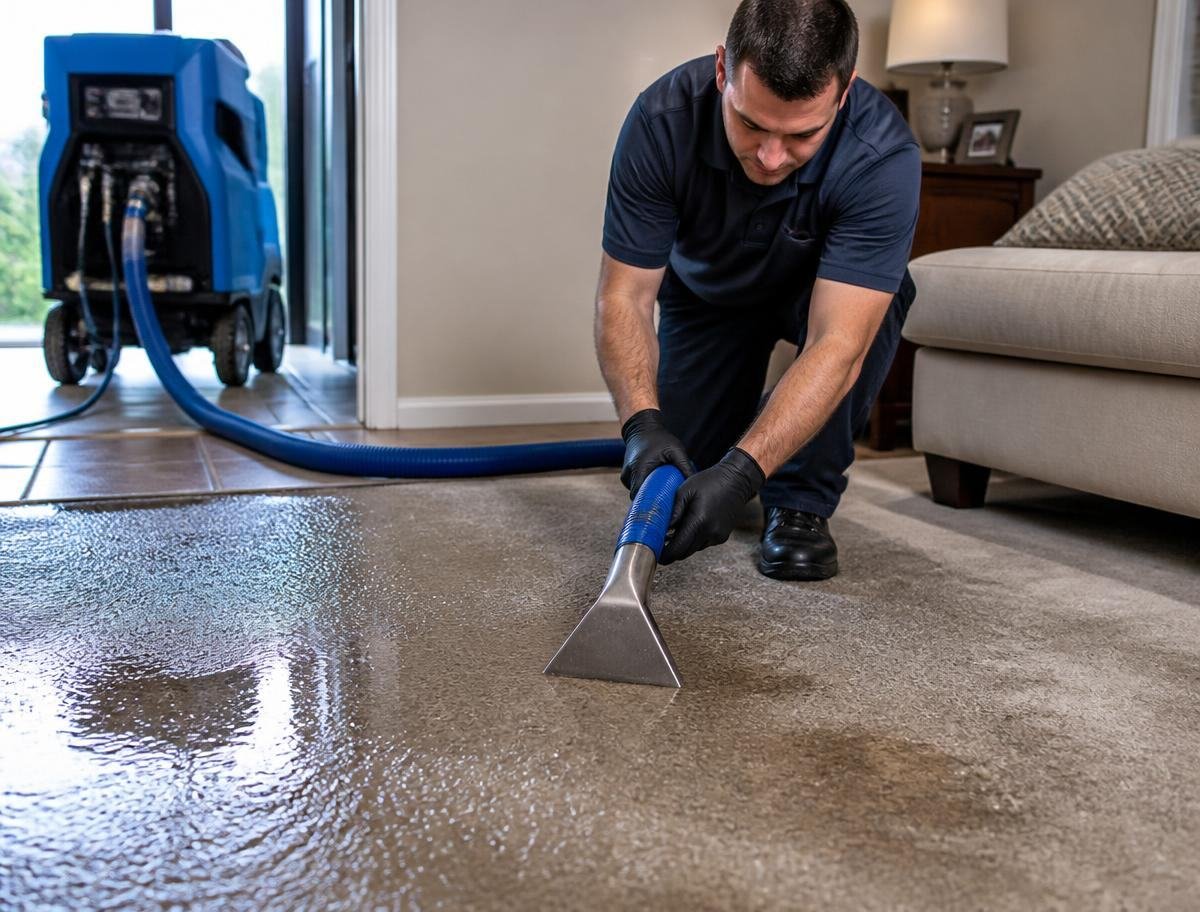
Truck-Mount Extractors
High-volume pump-out that removes standing water before it wicks into subfloor and drywall.
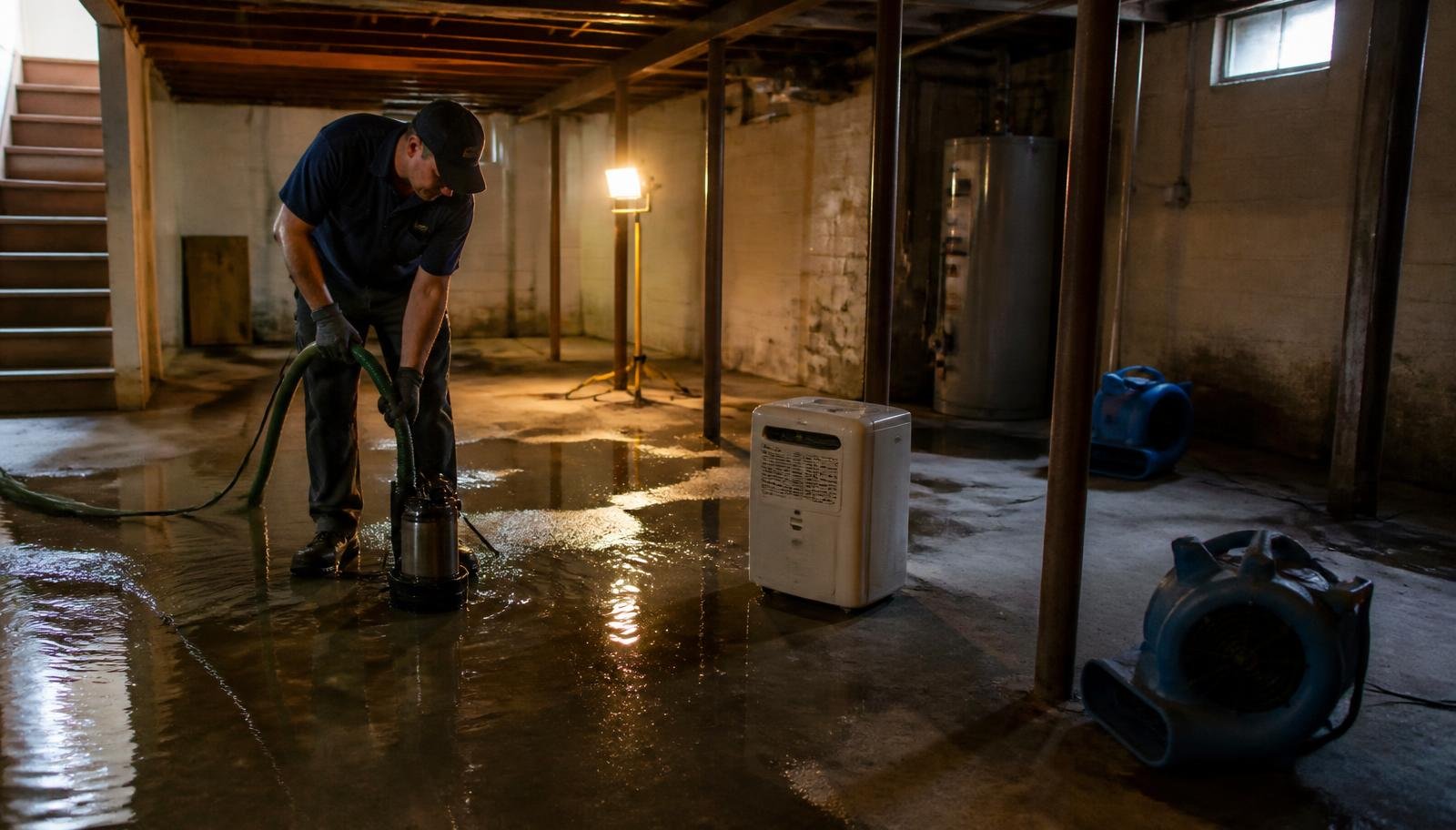
24/7 emergency flooded basement cleanup, rapid basement water extraction, and subterranean structural drying. When you have water in the basement from foundation leaks, monsoon hydrostatic pressure, or failed sump pumps, our certified crews arrive in ~42 minutes under AZ ROC #331127.
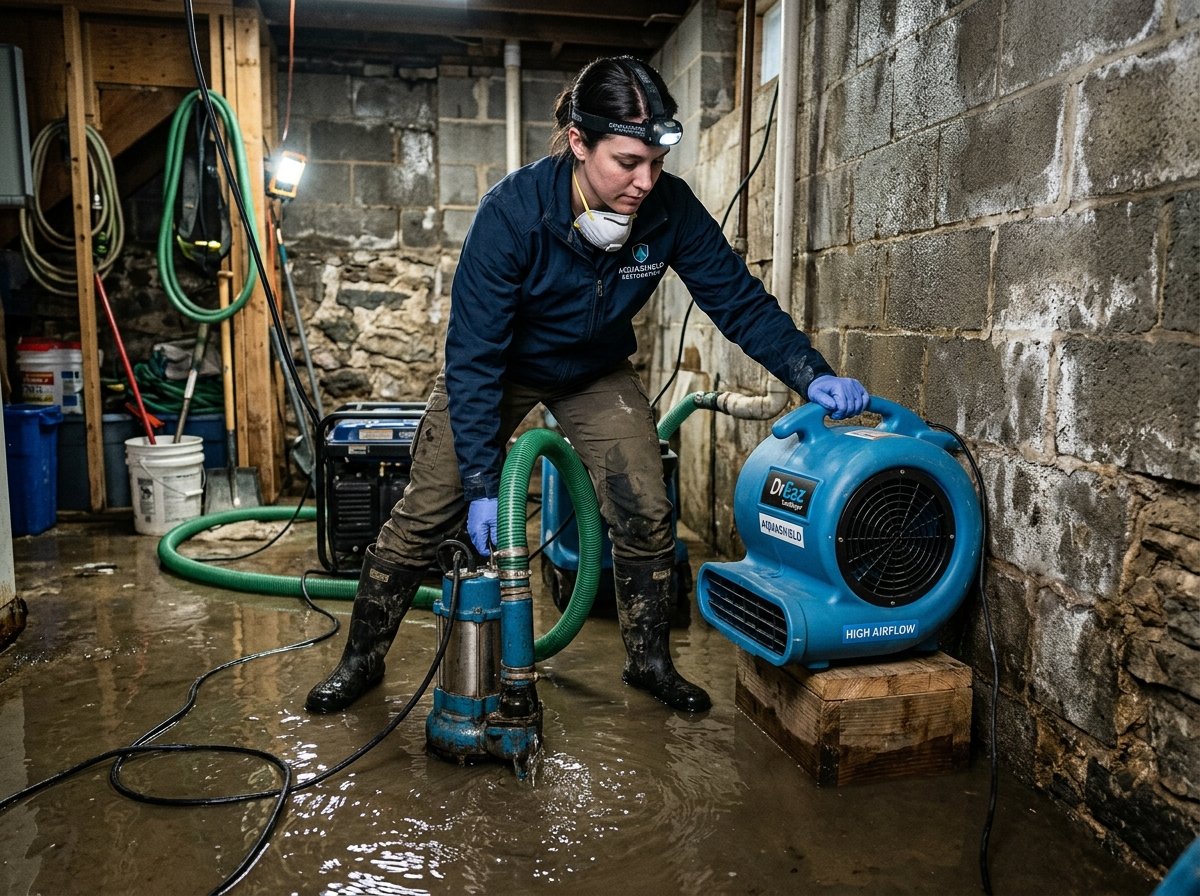
High-Volume Sump Pump Extraction, LGR Dehumidification & Masonry Foundation Moisture Mapping
Basements are unusual in Arizona for a simple reason: the ground here doesn't freeze, so most foundations only need to go about a foot and a half deep. Add in caliche, a naturally rock-hard soil layer common across the Valley, and building one is a deliberate, costly architectural choice.
If your home has one, it's often an older historic home in central Phoenix or a custom build in Scottsdale or Tempe — and a flood down there requires specialized subterranean extraction, submersible pump-out, and LGR dehumidification calibrated for spaces with zero natural airflow.

Truck-mounted extraction units and heavy submersible equipment dispatched within 42 minutes across Phoenix metro.
Understanding subterranean hydrostatic pressure: how groundwater creates hydraulic force against concrete foundation walls.
Rain or irrigation saturates topsoil; an impermeable subsurface caliche layer prevents downward percolation.
Trapped groundwater builds lateral hydraulic pressure against below-grade concrete stem walls and block mortar.
Water is forced through the foundation-to-slab cold joint, floor drains, or porous unsealed block walls.
Basements lack cross-ventilation; relative humidity spikes to 90%+, rapidly wetting studs and insulation.
Submersible pumps discharge silt-heavy groundwater up and out of deep basement window wells and stairwells.
Basements are naturally cooler, requiring specialized LGRs that extract water vapor without freezing up.
Pumps dry heated air directly behind finished basement drywall, saving finished lower-level framing from mold.
Permanent basement waterproofing requires completely dry, decontaminated masonry. If you have water in the basement from foundation leaks, weeping wall cracks, or a failed perimeter drainage system, our licensed crews (AZ ROC #331127) extract standing water, dehumidify dense concrete stem walls, and stop structural water damage at the source.
When groundwater breaches foundation walls or your basement floods, emergency water extraction and deep structural drying must happen first. We extract standing water, map hidden moisture using FLIR thermal cameras, and dry out porous concrete to prepare masonry for permanent exterior waterproofing and crack sealing.
Arizona's expansive caliche and clay soils exert intense lateral hydrostatic pressure against concrete stem walls, forcing water through cold joints, form-tie holes, and settling cracks. Our crews inject directed high-velocity airflow into wall cavities and treat masonry surfaces with hospital-grade antimicrobials before repairs.
When exterior window wells fill during torrential monsoon storms or a basement sump pump fails during a power outage, hundreds of gallons enter within minutes. We deploy high-head submersible trash pumps and industrial water extractors to clear drainage blockages and prevent subterranean flooding.
Moisture trapped beneath a basement concrete slab migrates upward through capillary action, saturating framing, flooring adhesives, and carpet pad. We utilize high-capacity Low-Grain Refrigerant (LGR) dehumidifiers engineered to maintain low grain depression in cold, low-airflow below-grade environments.
A flooded basement isn't just a flood that happens to be below ground — it behaves differently, and treating it like an above-ground room risks mold growth behind dense foundation walls:
If hydrostatic pressure is pushing groundwater in, pumping out what's visible doesn't necessarily stop more from coming — the pressure source has to be addressed, not just the standing water.
Below-grade spaces typically have far less airflow than an above-ground room, which means the same amount of water takes longer to fully dry — and every extra day raises the risk of mold, especially since basements are already naturally cooler and often more humid to begin with.
Basements are frequently used for storage, sometimes finished living space, sometimes the mechanical systems that keep the rest of the house running — raising the real cost of a slow or incomplete response.
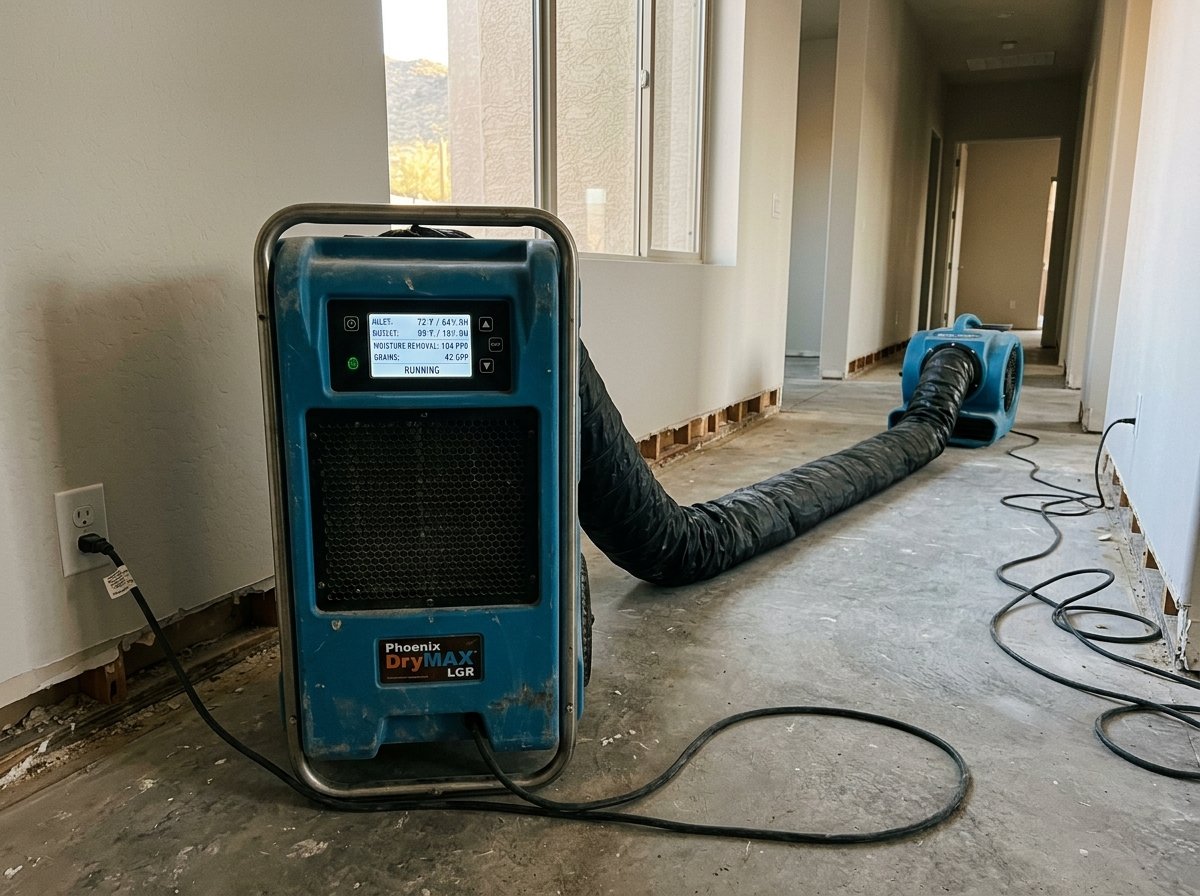
Industrial LGR dehumidification pulls grain-per-pound (GPP) levels down rapidly in spaces with zero natural airflow.
Discovering standing water or an active flood in your basement can be overwhelming. Knowing exactly who to call and how to prevent electrocution, structural damage, and rapid mold growth protects your family and home.
Standard plumbers fix broken pipes, but they cannot legally extract hazardous water, remove saturated building materials, or run structural drying equipment. Call an IICRC-certified flood cleanup contractor with high-volume submersible pumps and below-grade moisture extraction units.
Water in a basement frequently contacts submerged baseboard outlets, extension cords, water heaters, and furnace connections. Never walk into standing basement water until the main electrical breaker controlling the lower level is safely disconnected.
Basement water intrusion from sump pump failures or sewer line backups is typically covered under a specific 'Water Backup of Sewer/Drain' rider rather than standard homeowners coverage. We photograph the water line and log psychrometric readings to support your claim directly.
If there is water in your basement at this moment, call (602) 755-0251 first — we answer live, 24/7, and typical arrival across the Phoenix metro is about 42 minutes. While you wait, this is what actually protects your home.
At the breaker panel, if you can reach it without standing in water. Never step into standing water in a below-grade room with live circuits or submerged outlets.
If the source looks like a pipe, water heater, or softener, shut the main off before anything else. It stops the flood from growing while you wait for the crew.
Shop vacs and consumer equipment are not rated for this, and cords through standing water are the most common injury in a flooded basement.
Lift stored boxes and electronics onto higher shelving or the stairs, and photograph the water line before anything moves. It takes two minutes and helps your own records.
Opening windows in Phoenix humidity or aiming a box fan at a wet slab spreads moisture into framing. Call and let calibrated air movers and dehumidifiers do it correctly.
We start guiding you the moment you call.
We determine whether this is a one-time event or an ongoing pressure source — a different response for each.
Standing water removed immediately with commercial-grade pumps and extractors.
Equipment calibrated for a below-grade space's naturally poor airflow, not a standard room's.
Confirmed dry with moisture readings, not just visually — logged daily against IICRC S500 dry standards.
Every job runs on metered, documented drying — not guesswork. This is what arrives on the truck.
High-volume pump-out that removes standing water before it wicks into subfloor and drywall.
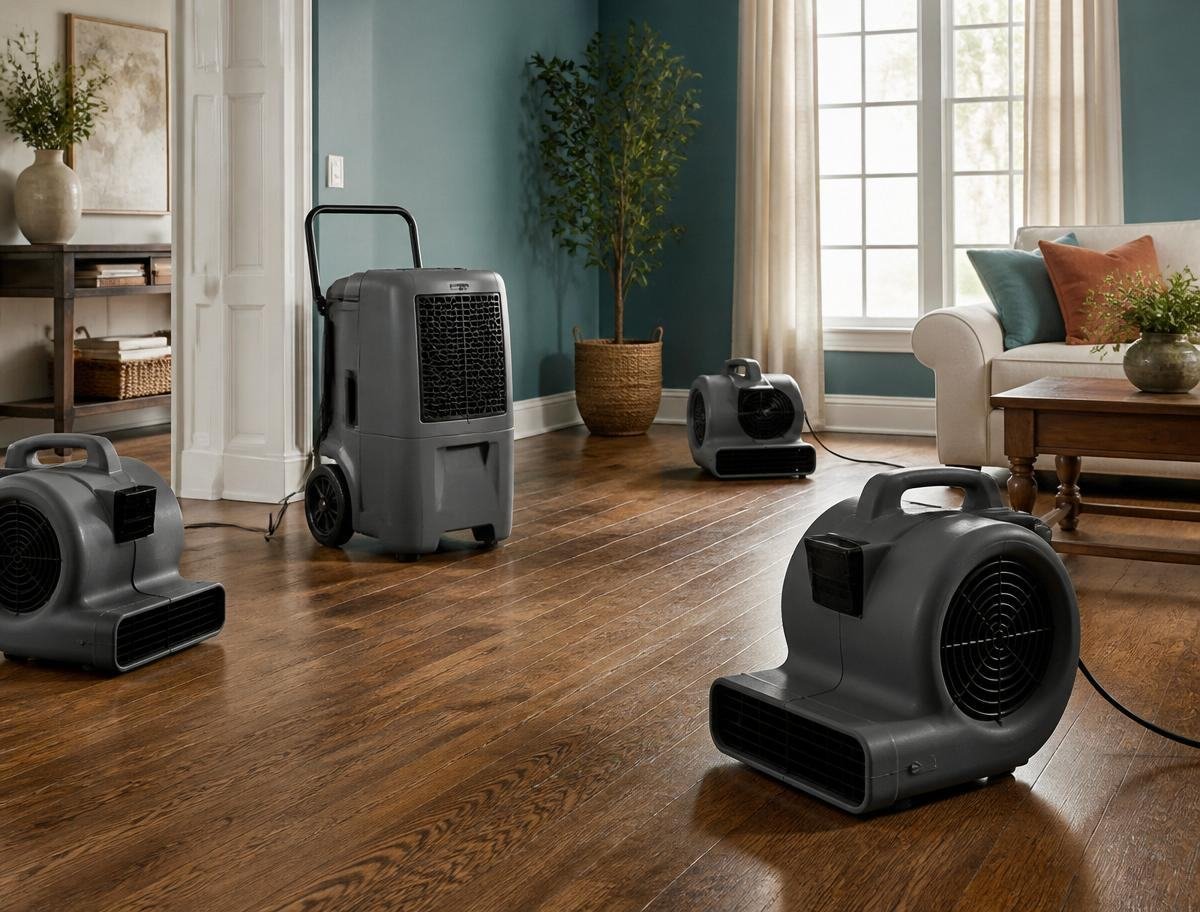
Directed airflow across wet materials to accelerate evaporation from framing and flooring.
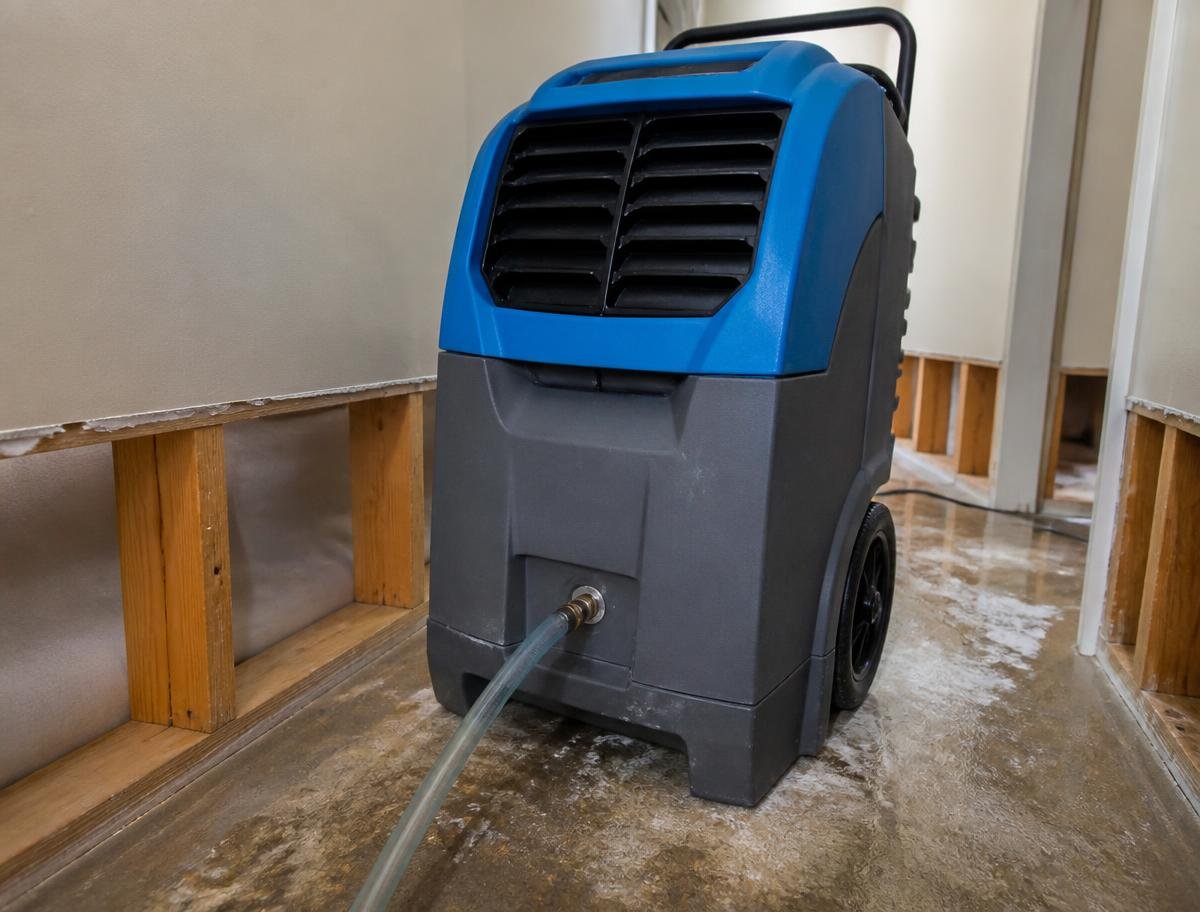
Low-grain refrigerant units pull the evaporated moisture back out of the air instead of moving it around.
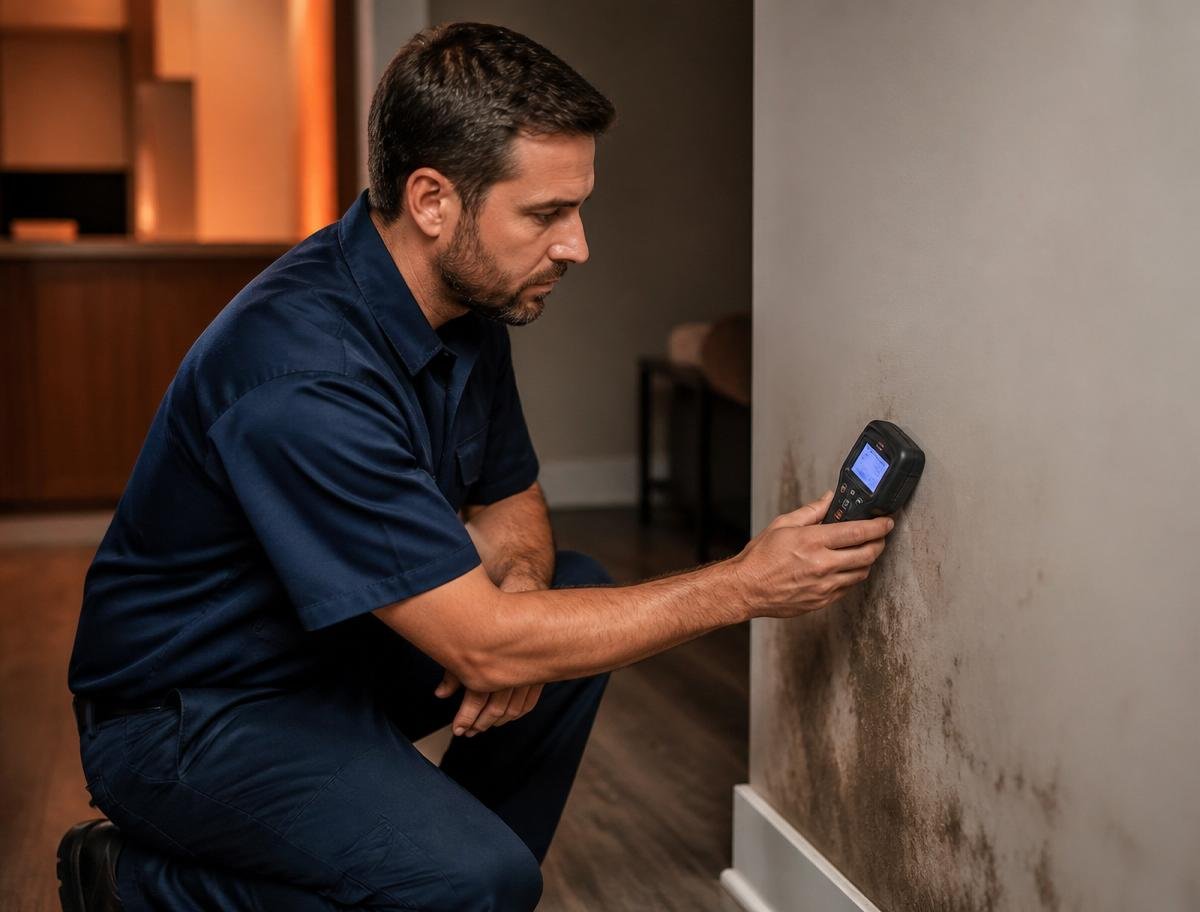
Daily documented readings that prove when a structure is actually dry — not just dry to the touch.
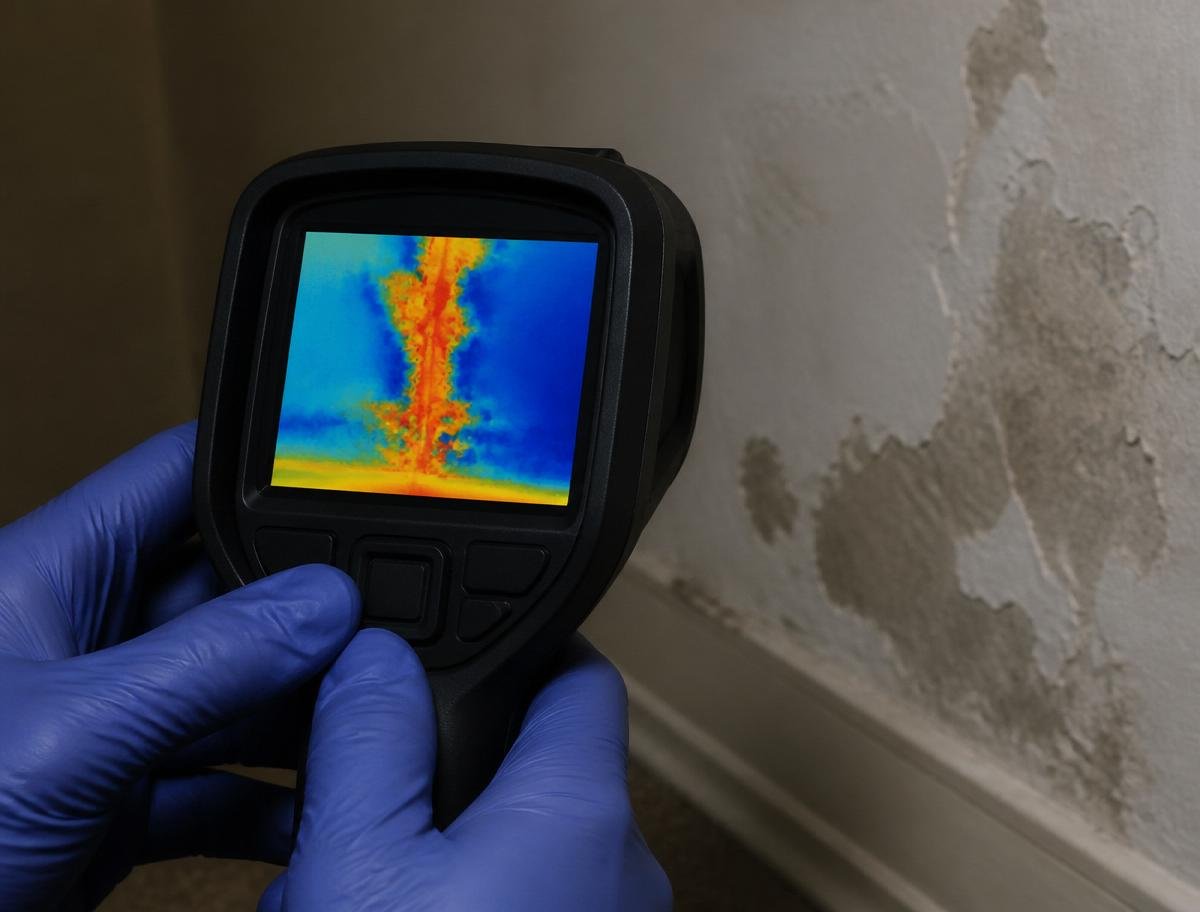
Infrared scanning locates water tracking behind walls and under cabinets before demolition starts.
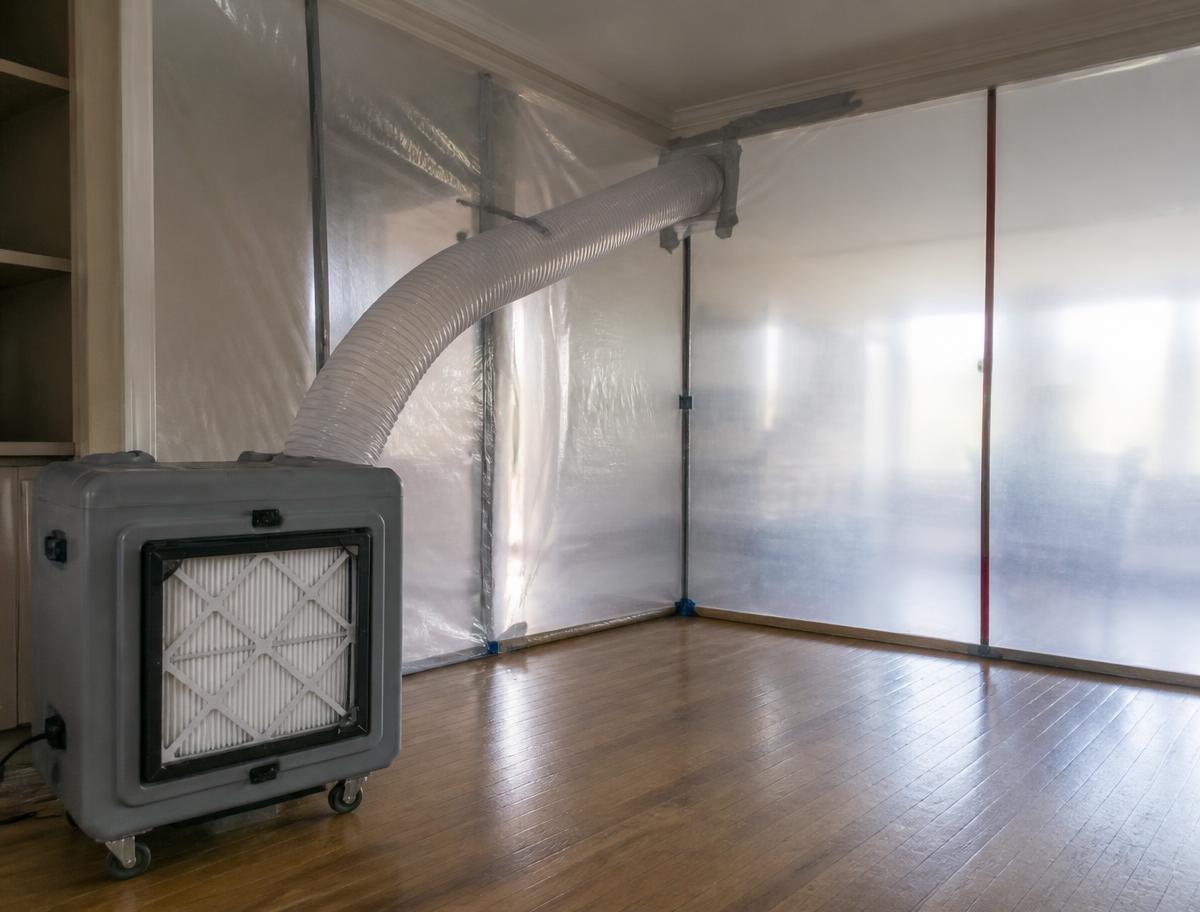
Negative-air containment that keeps spores and contaminants out of the rest of the property.
Every below-grade flood cleanup is executed under AZ ROC #331127 licensing and IICRC S500 certified standards.
High-volume submersible and trash pumps to evacuate heavy standing water out of deep below-grade flooded basements.
High-temperature LGR dehumidifiers and air injectors engineered to dry weeping foundation cracks and wet concrete stem walls.
Thermal FLIR imaging and penetrating masonry probes to locate hidden groundwater trapped behind finished basement walls.
HEPA negative-air filtration to prevent subterranean mold spores, damp odor particles, and musty air from rising into living areas.
Clearing exterior window wells, perimeter drains, and foundation sump pathways to stop ongoing rainwater intrusion.
Surgical removal of water-wicked lower drywall and wet insulation to allow direct cavity drying of wood and steel studs.
EPA-registered hospital-grade botanical antimicrobial application across concrete slabs to eradicate mold and bacteria.
Daily IICRC S500 psychrometric dry-standard logs, structural reconstruction, and written clearance reports for insurance claims.
Arizona basements are rare, so below-grade water intrusion clusters into a handful of very specific situations — and where your home is located reveals the likely cause.
Encanto, Willo, and Coronado hold most of the Valley's true basements. They're decades old, often with unsealed block walls and a floor drain tied into aging sewer laterals — so a summer storm can push water in from two directions at once.
Water damage restoration in Phoenix, AZ →Newer Scottsdale customs put finished living space, media rooms, and wine storage below grade. The water damage is the smaller half of the problem; the finishes and contents are what make fast, documented drying worth it.
Water damage restoration in Scottsdale, AZ →Where Mesa and Tempe homes do go below grade, it's usually to house mechanical systems. A failed water heater or softener line down there floods the exact space the rest of the house depends on.
Water damage restoration in Mesa & Tempe, AZ →Flat lots and heavy monsoon cells drop more water than the ground can absorb in minutes. Runoff pools against the house, fills a window well, and comes over the sill — an event that has nothing to do with plumbing at all.
Water damage restoration in Gilbert & Chandler, AZ →If the water came in with a monsoon storm, see storm damage restoration. If it came up through a floor drain, that's sewage cleanup and gets handled as Category 3. If drywall has already been wet more than two days, start with mold remediation.
While less than 3% of Phoenix homes have basements, our specialized subterranean pump-out and moisture extraction fleet is stationed across the Valley for rapid under-60-minute emergency arrival.
Original early-to-mid 20th century full basements with unsealed concrete block walls, gravity floor drains, and aging sewer laterals prone to monsoon hydrostatic flooding.
High-end custom finished basements, subterranean home theaters, and wine cellars requiring non-destructive thermal moisture mapping, hardwood salvage, and precision LGR drying.
Below-grade utility vaults housing commercial-grade water heaters, softeners, and electrical subpanels that flood from mechanical failure or localized groundwater table rise.
Monsoon flash flood runoff overflowing exterior window wells, patio stairwells, and foundation settling cracks during intense desert summer downpours.
Sunken walk-out patios, subterranean rec rooms, and retaining wall seepage requiring submersible pump-out and foundation wall dehumidification.
Extensive custom lower-level guest suites and subterranean architectural features requiring premium white-glove contents pack-out and documented S500 dry verification.
When flooding or a pipe leak hits your home or business, the water damage restoration company you hire determines whether you get rapid, documented structural drying or weeks of secondary mold headaches. Compare our IICRC S500 certified standards to typical franchise outfits:
From historic central Phoenix residential basements to subterranean commercial vaults, mechanical rooms, and storage levels.
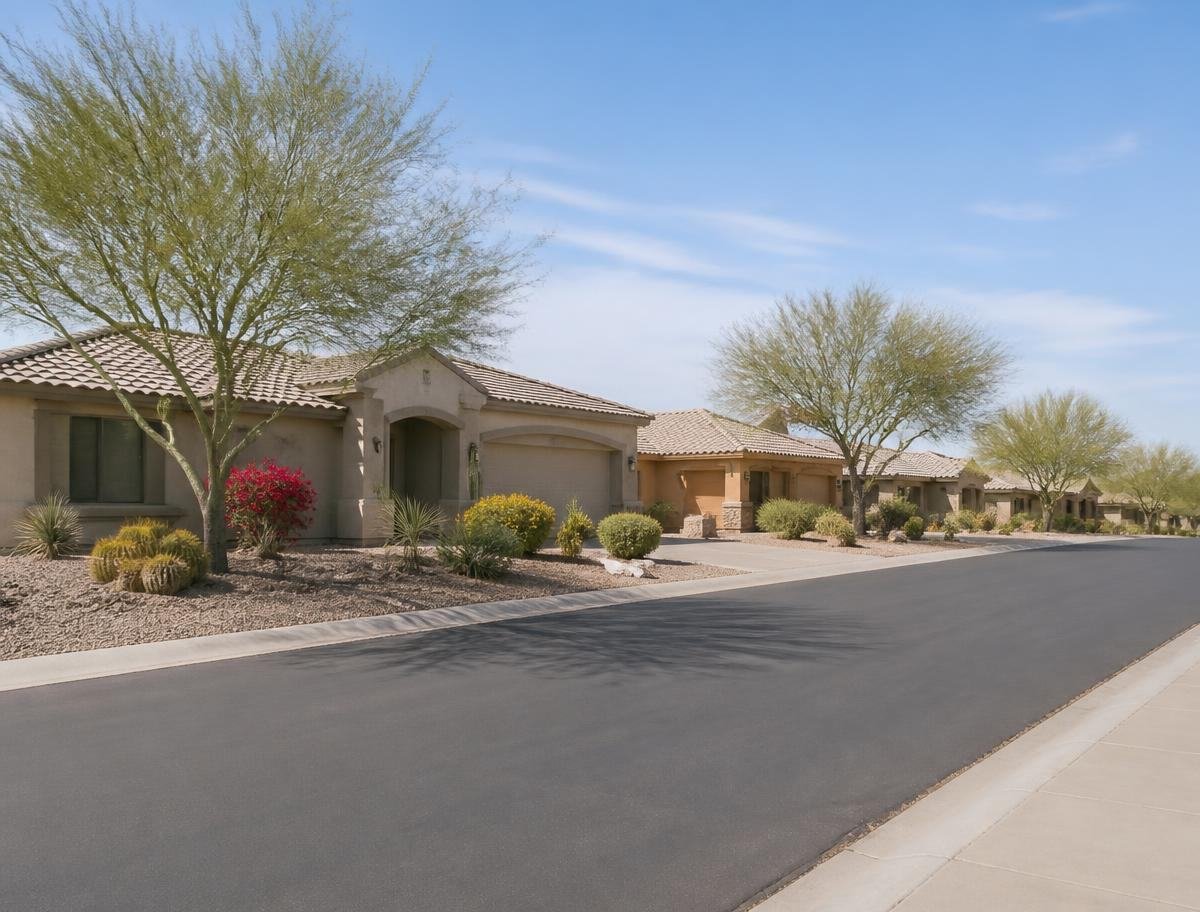
Basements are overwhelmingly residential in Arizona. We handle complete below-grade cleanup — from itemized written scope before extraction starts through daily moisture logs until the space is verified dry.
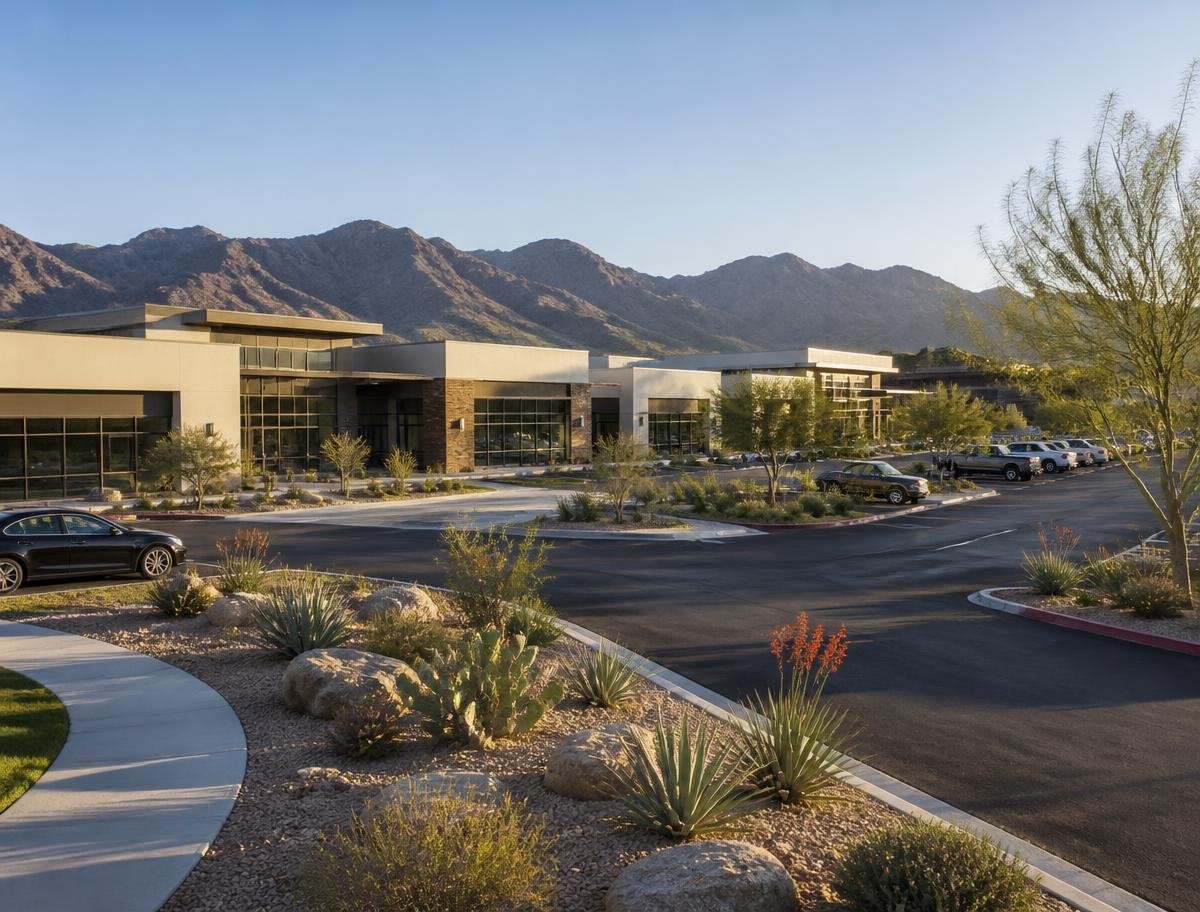
When commercial properties have subterranean elevator pits, chiller rooms, or storage vaults flood, we deploy high-head pumps and commercial drying to restore operations immediately.
Every pair below is the same room from the same camera angle — one photo taken on arrival, the second after the work was finished — so you can see exactly what changed. Illustrative previews shown while we finalize permissioned project photography with each homeowner. Drag the slider below to reveal the restored space, or click any pair to enlarge it in its own slider.
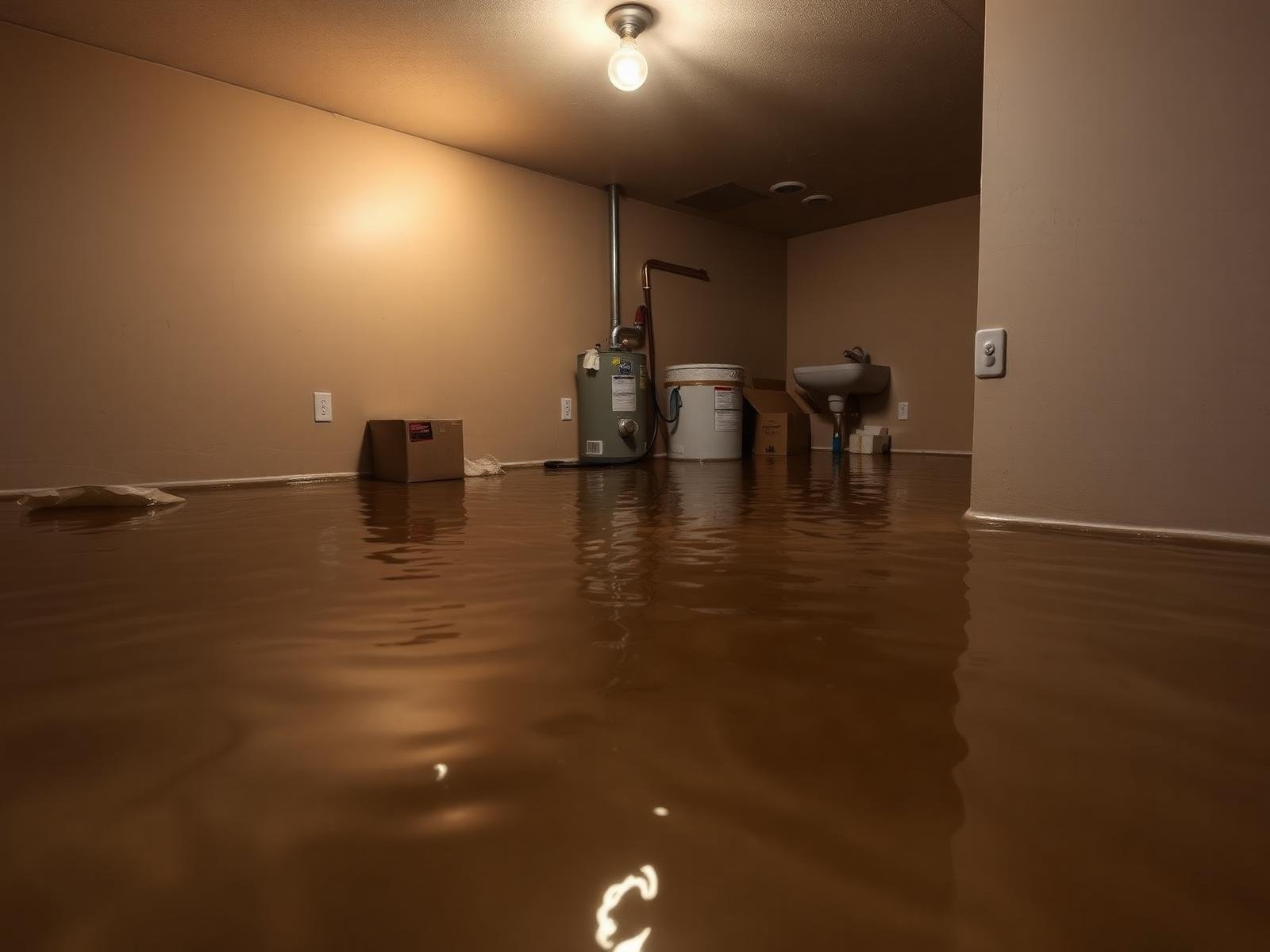
Drag · or use ← →
Job #BF-2408-011 — Phoenix, AZ — Monsoon runoff pooled against a below-grade wall overnight; Category 2 loss, Class 3 dry-out calibrated for a below-grade space's low natural airflow.
Before you call anyone, it's fair to ask who actually walks through your door. Here's the crew, the equipment they carry, and the person who stays accountable for your job. We provide daily psychrometric moisture logs and full documentation.
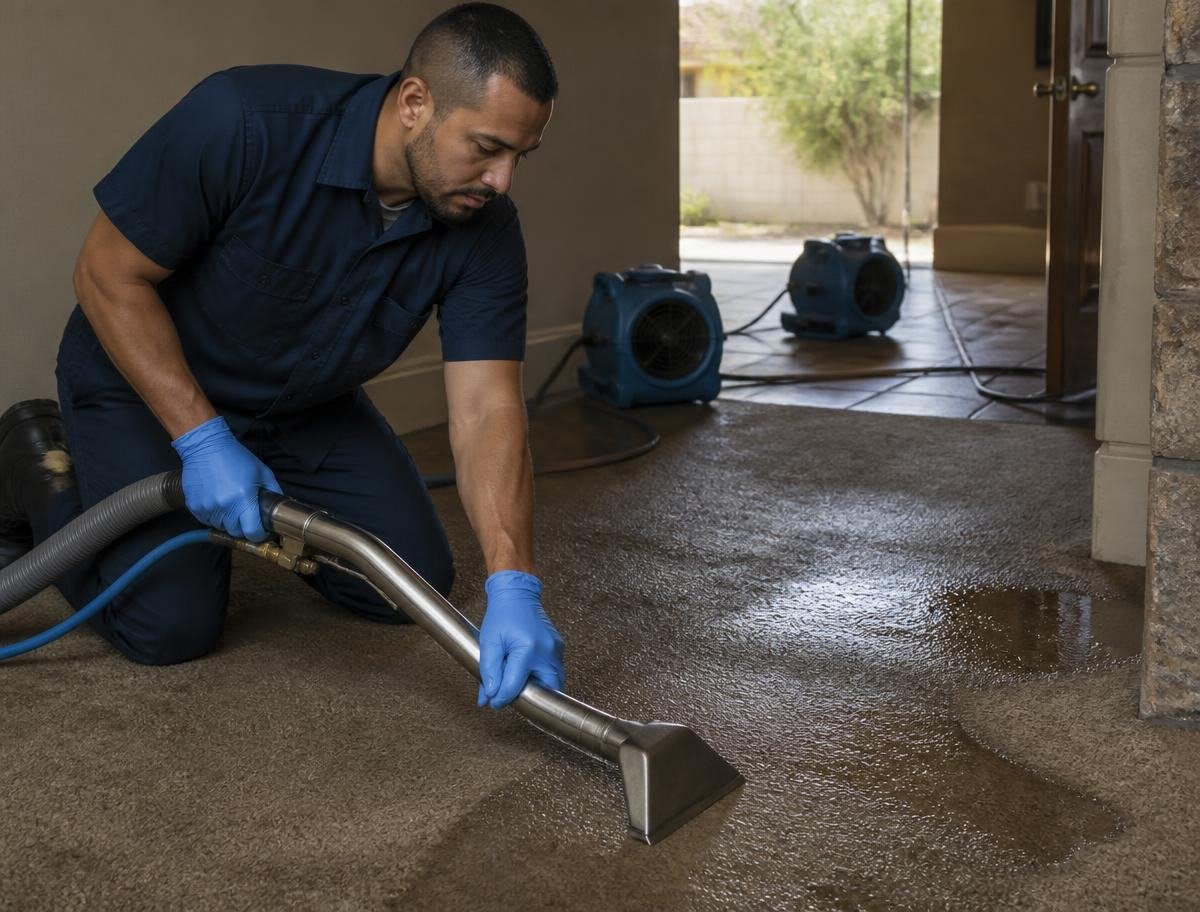
On site · Extraction in progress
The people who arrive are the people who finish the job — IICRC-trained, in uniform, with metered readings logged at every visit.
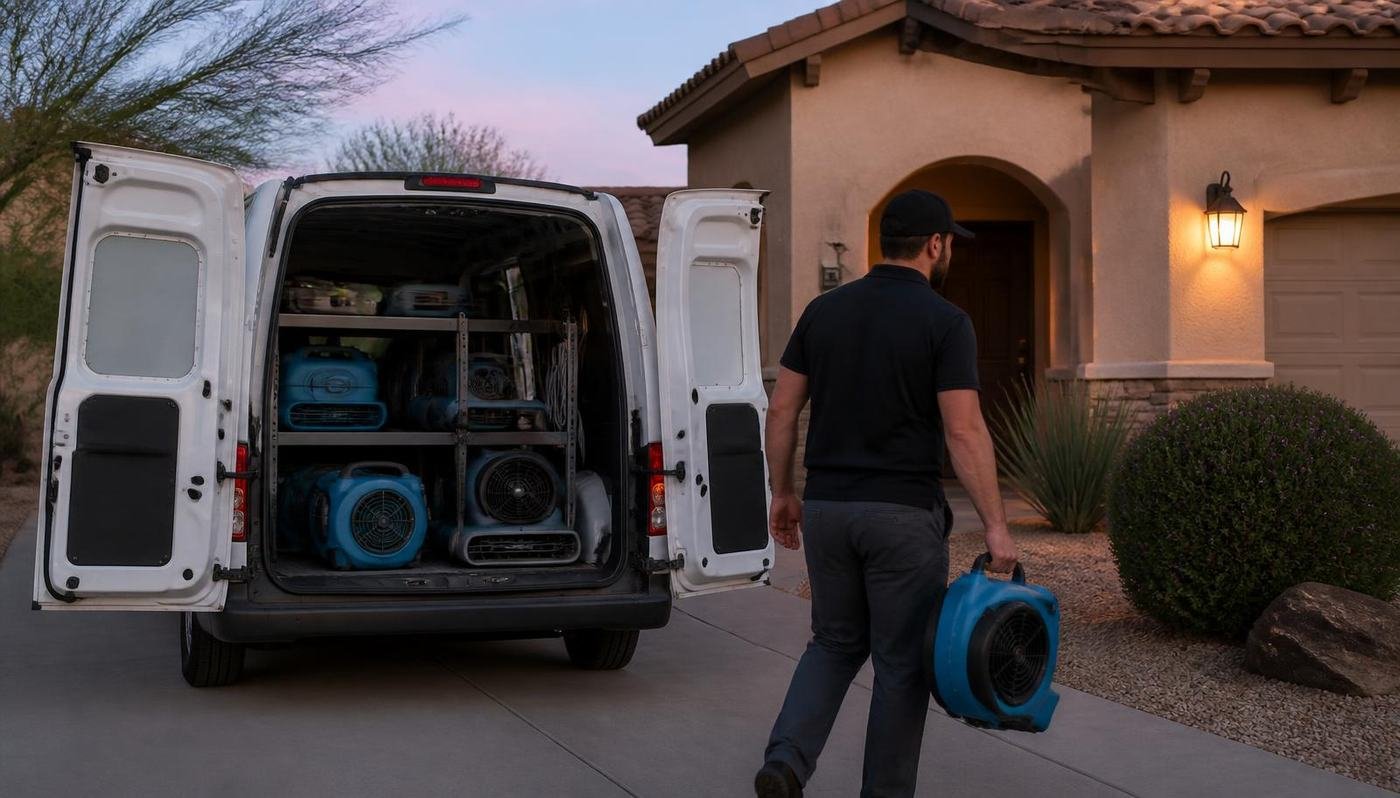
Dispatch · Stocked for same-day work
Extractors, air movers, dehumidifiers, and containment ride with every crew, so mitigation starts on the first visit instead of the second.
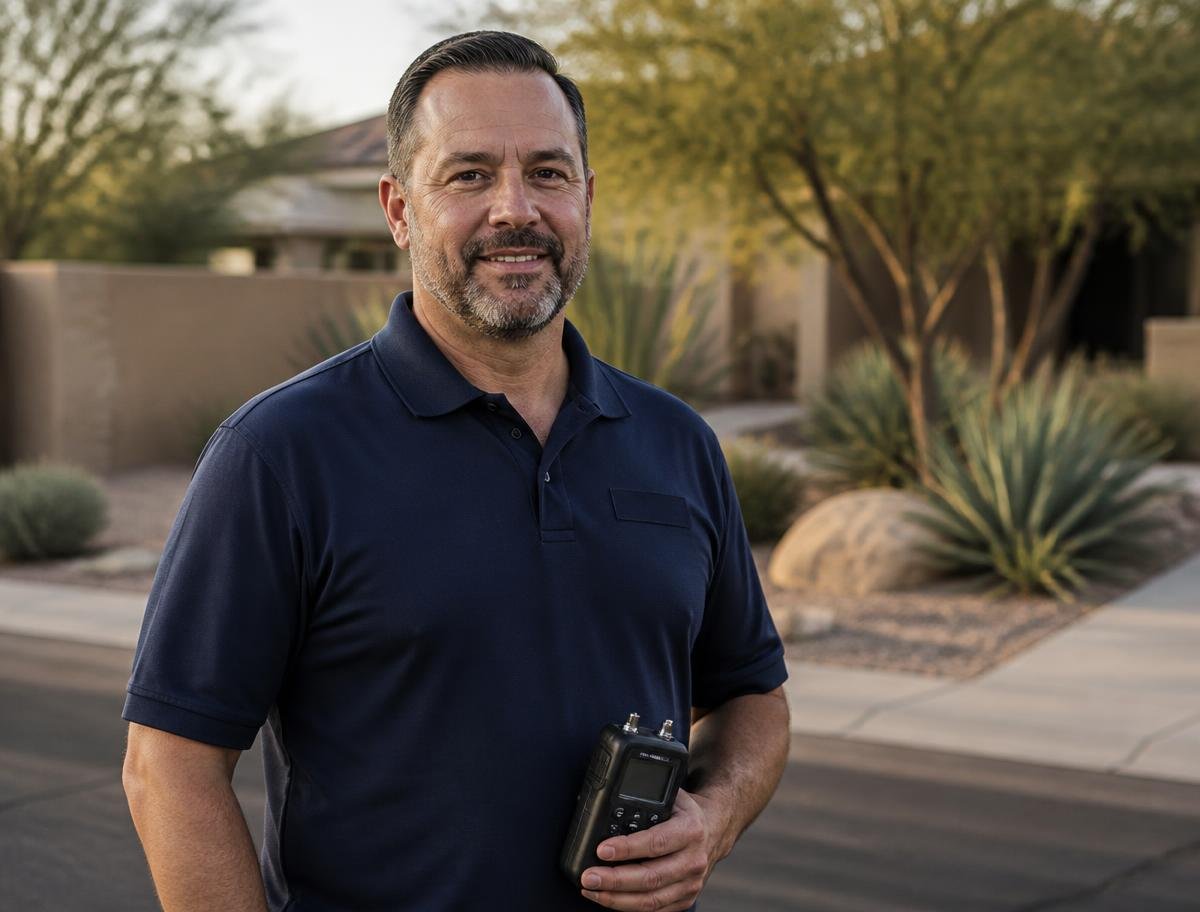
Crew lead · Single point of contact
A crew lead walks the property with you, explains the drying plan in plain language, and stays your contact through final sign-off.
Google, Yelp, BBB, and Facebook — every star rating and review count links to the real profile.
Need emergency water damage restoration or cleanup near you? Our certified extraction and structural drying crews stage 24/7 across Central Phoenix, the East Valley, and the West Valley for rapid ~42-minute response.
We serve 12 cities across the Phoenix metropolitan area, organized into three regions. A tappable list follows the map; selecting a city highlights its marker and re-centers the map.
Central Phoenix
East Valley
West Valley
Prefer the full directory? Jump to the city list below.
Continuous 24/7 staging across downtown Phoenix, midtown, and north metro corridors.
Dedicated East Valley extraction trucks dispatched immediately across Mesa, Tempe, and Scottsdale.
Complete coverage across rapidly expanding West Valley residential subdivisions and commercial plazas.
Also providing 24/7 response to Cave Creek, Carefree, Fountain Hills, Anthem, New River, Laveen, Tolleson, Queen Creek, San Tan Valley, Apache Junction, Paradise Valley, and Wickenburg.
Don't see your specific city or zip code listed? Call our live dispatcher at (602) 755-0251 — we cover the entire Valley.
Two services matter most after a basement flood — one for the emergency phase itself, and one for the follow-on risk that basements' poor ventilation makes especially likely.
Basements' poor ventilation makes mold the single most likely follow-on need after a flood — full IICRC S520 containment, HEPA scrubbing, and post-remediation verification.
Learn more →The emergency-response phase itself — commercial pump-out, moisture mapping, and structural drying documented daily to the S500 dry standard.
Learn more →Category 3 cleanup, contained and disinfected.
Learn more →Soot removal, odor treatment, structural rebuild.
Learn more →Monsoon-season board-up and rebuild.
Learn more →The complete guide to water damage restoration in Arizona.
Learn more →Our complete guide to IICRC standards, categories, and timelines.
Read full guide →Rapid standing-water removal and structural dry-down.
See mitigation details →Certified Category 3 biohazard removal and disinfection.
See sewage process →Certified containment and source removal (IICRC S520).
See mold protocols →Specialized below-grade extraction and airflow management.
See basement services →Soot removal, deodorization, and structural repair.
See fire services →Emergency tarping and monsoon-driven intrusion repair.
See storm services →Foundation-up drying and flooring repair for sub-slab leaks.
See slab leak services →High-volume extraction and structural drying for mass water.
See flood services →Homes, condos, and rentals in Basement Flood Cleanup — end-to-end response.
See residential →Offices, retail, and industrial in Basement Flood Cleanup — minimizing downtime.
See commercial →24/7 emergency response across the Phoenix metro, with equipment and drying methods built for below-grade spaces specifically.