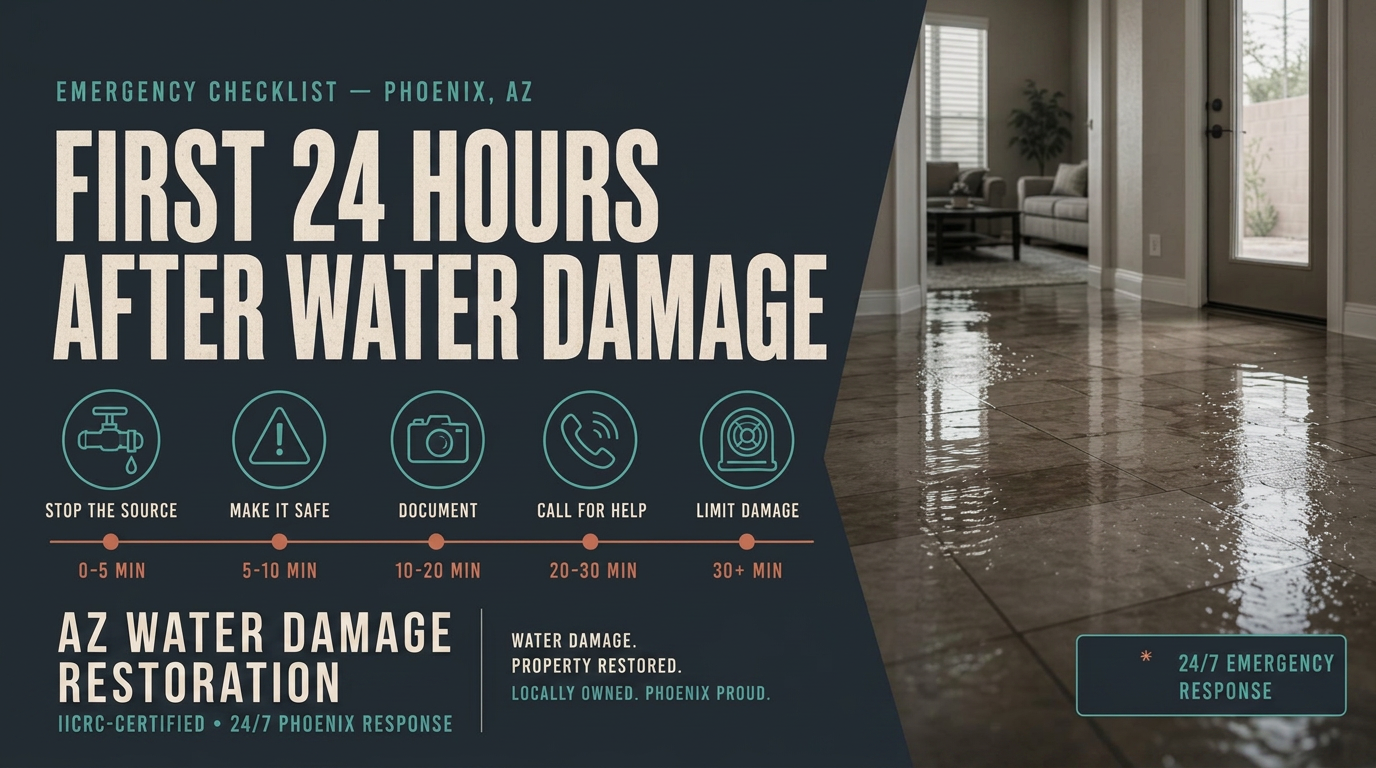
Stop the source, make it safe, document everything, call for professional extraction, and limit secondary damage. The first 24 hours determine the total scope of structural loss — act immediately to prevent Category 3 biohazard contamination and subfloor decay.
Last updated:Reading time:10 minStandards:IICRC S500 Verified
What to Do in the First 24 Hours After Water Damage · Emergency Response Guide · Phoenix Metro
Table of contents▾
To minimize water damage, follow these five steps immediately: stop the source by shutting off the main valve, make the area safe by cutting power to wet zones, document the damagewith photos and video, call for professional extraction, and limit further damage by moving valuables to a dry location.
Why the First 24 Hours Matter So Much
The size of the final loss is decided more by how fast you respond than by how much water was involved. Water is a progressive destroyer that doesn't just sit on the surface; it migrates laterally beneath baseboards, under tile and laminate flooring, and deep into porous drywall and insulation cavities.
The most critical reason for speed is the category degradation clock. Under IICRC S500 standards, water quality declines rapidly over time:
Category 1 (Clean Water): Fresh water from a supply line or water heater. In the Arizona summer heat, this begins shifting toward contaminated Category 2 within 24 to 48 hours.
Category 2 (Gray Water): Contains chemical or organic contaminants (washing machine overflow, dishwasher discharge). Shifts toward hazardous Category 3 within 48 hours.
Category 3 (Black Water): Grossly contaminated with pathogens, sewage, or outdoor storm runoff. This is a biohazard from minute one and requires certified PPE, antimicrobial containment, and HEPA air scrubbing.
When a pipe bursts or an appliance overflows, execute this structured timeline immediately:
Immediate Emergency Triage Sequence
00–05 MIN
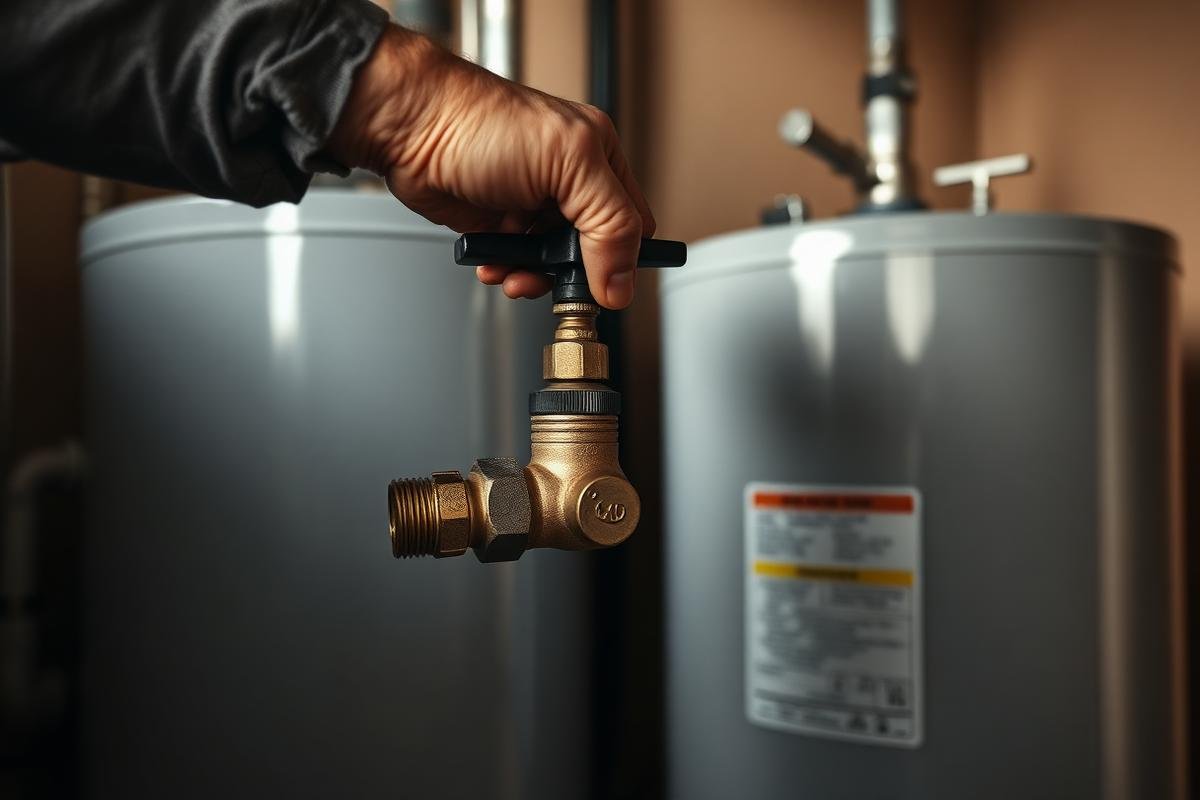
Stop the Water Flow: Shut off the fixture valve (under sink/toilet) or turn the home's main water shutoff valve 90° clockwise. Note the discovery time.
05–10 MIN
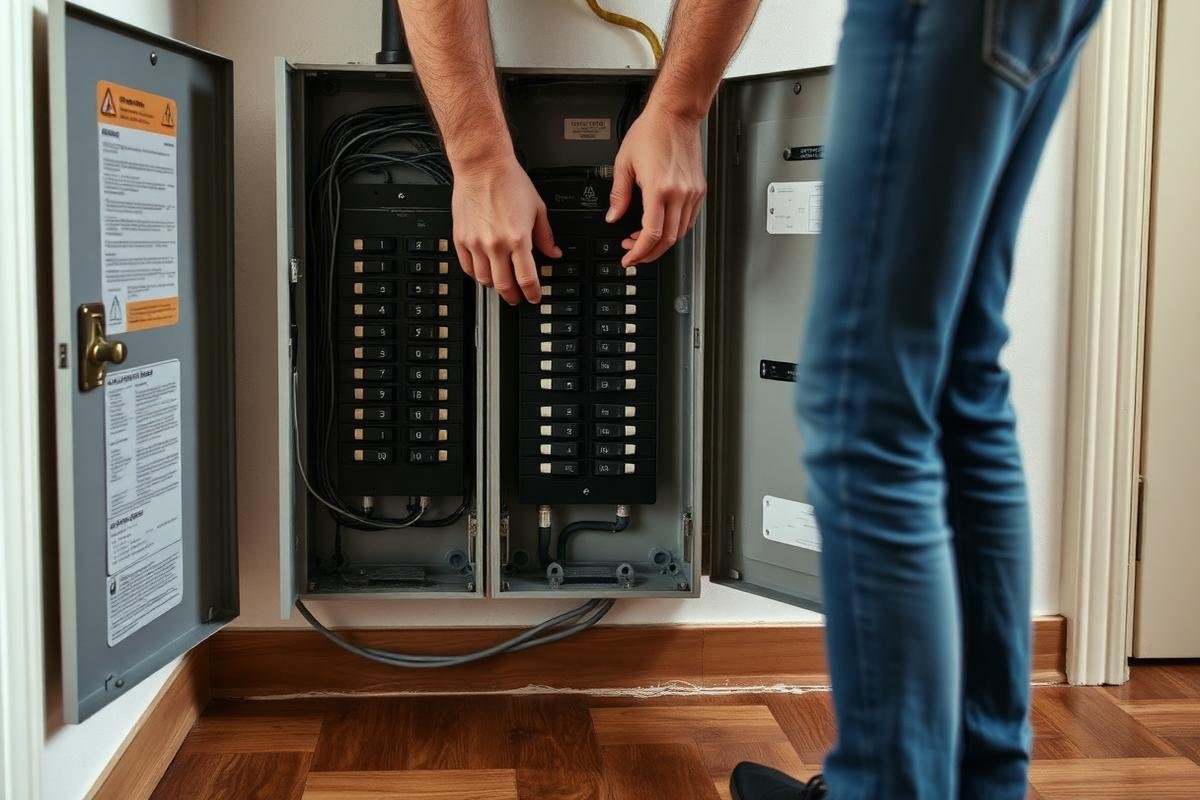
Electrical Safety Disconnect: If standing water touches baseboard outlets or appliances, shut off the breaker. Only touch panels with dry hands and dry footing.
10–20 MIN
Visual Documentation: Capture wide-angle photos of affected rooms and close-ups of the leak source before water is moved or mopped.
20–30 MIN
Call Emergency Dispatch: Dispatch our 24/7 IICRC-certified extraction crew at (602) 755-0251 and coordinate with a licensed emergency plumber like AquaVo Plumbing to isolate and repair the damaged pipe.
30+ MIN
Protect Contents: Lift furniture onto foil or plastic blocks and move rugs off wet flooring while our mobile extraction unit is en route.
Minute 0–5: Stop water at the main valve to prevent thousands of gallons from saturating interior drywall.
How to Locate and Shut Off the Main Water Supply
Stopping the pressurized flow of water is the single most impactful action you can take. If the leak is isolated to an appliance (e.g. toilet flex line or washing machine hose), rotate the chrome angle-stop valve behind the fixture clockwise.
If the leak is concealed behind drywall or underneath a concrete slab, you must shut off the home's main water line:
Garage Interior: Near the water heater or water softener loop, typically a brass ball valve with a blue or red handle.
Exterior Hose Bib: Along the front exterior wall where the municipal copper riser enters the home.
Street Water Meter Box: Inside the concrete or cast-iron box near the front sidewalk. Requires a water meter key to rotate the pentagonal curb-stop 90 degrees.
If water is leaking from an overhead ceiling, never stand directly underneath a sagging drywall bulge to puncture it. A single saturated 4x8 drywall sheet can weigh over 150 lbs and collapse without warning. Stand to the side and place a bucket before relieving pressure.
Is It Safe to Stay in the Property?
Personal safety is paramount. If you notice any of the following hazards, evacuate the immediate area:
Submerged Electrical Outlets: Standing water in contact with baseboard electrical outlets or extension cords can energize the entire floor surface.
Category 3 Biohazards: Black water from sewer mains or outdoor storm runoff contains coliform bacteria, fungi, and parasites. Keep children and pets completely isolated.
Electrical safety: Never touch an electrical panel while standing on wet floors or with damp hands.
Monsoon Storm Protocol: Water Intrusion During Severe Weather
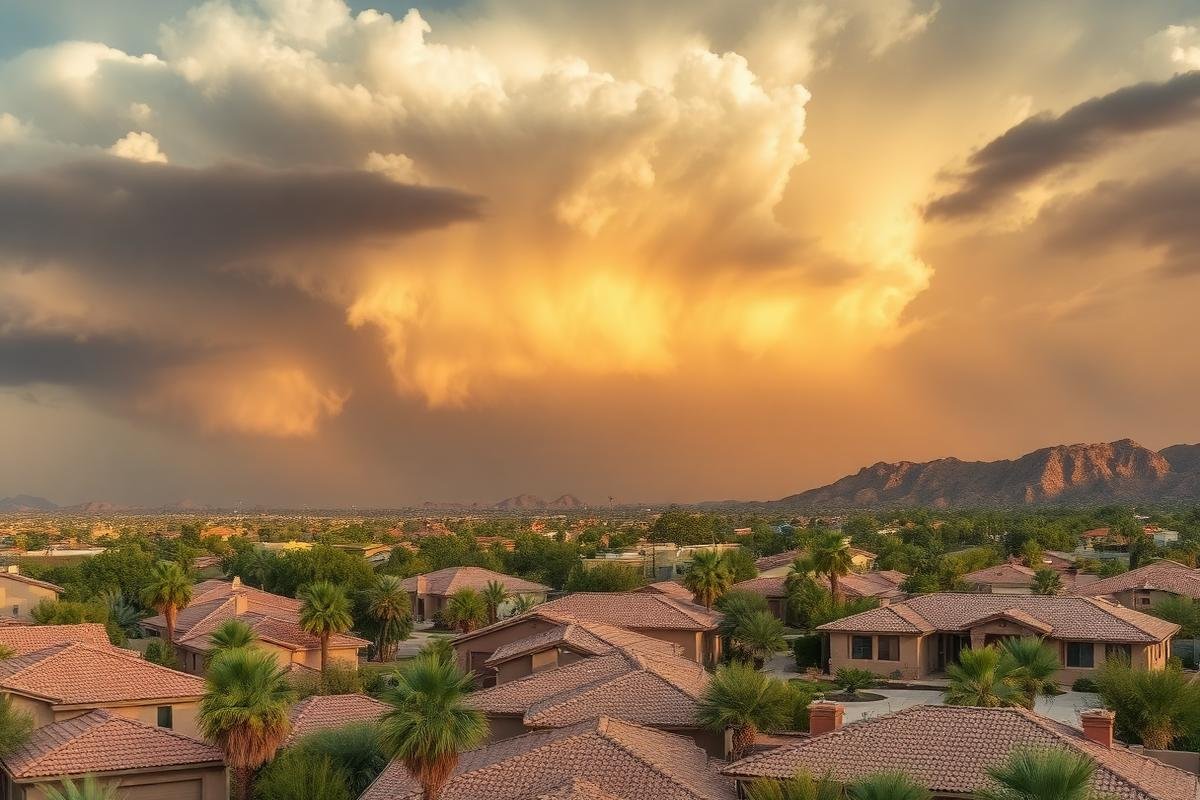
During Arizona monsoon microbursts, flash rain can overwhelm exterior grading and enter through patio sliding doors or garage thresholds.
Safety Rule: Personal safety during active lightning and 60+ MPH dust storms comes before exterior property mitigation. Stay indoors away from windows until the storm passes. Once the winds subside, assess exterior drainage and call for professional extraction.
Stay clear of windows and power lines during active monsoon storms before assessing water damage.
How to Accurately Document Water Damage and Structural Moisture
Having clean photographic documentation ensures an accurate, itemized scope of work and creates an undisputed record of the pre-mitigation conditions.
Wide-Angle Overview: Photograph each room from multiple corners to show the full perimeter wet line.
Component Close-Ups: Photograph the failed plumbing part (burst angle stop, split supply line, cracked PEX joint).
Narrated Video Walkthrough: Record a steady video explaining the time of discovery and what rooms were affected.
Preserve the Failed Part: Do not discard the burst pipe, valve, or appliance hose. Your plumber and restoration technician will inspect it to determine water pressure surges or mineral scale factors.
Why Immediate Direct Water Extraction Prevents Costly Structural Demolition
Every hour of delay allows moisture to wick higher up drywall assemblies and penetrate deeper into subfloors. By dispatching a professional emergency water extraction team immediately, industrial extraction wands remove up to 90% of free-standing moisture on the first visit, transitioning seamlessly into certified Phoenix water damage restoration.
We operate on direct customer pricing: we conduct a $0 on-site thermal moisture inspection and provide a comprehensive, itemized written scope before any equipment is powered on. You receive transparent flat-rate pricing with zero surprise demolition fees or administrative delays.
Two Critical Phoenix Climate Misconceptions
Misconception 1: "It's 110°F Outside, So It Will Dry on Its Own"
Phoenix's ambient desert heat evaporates surface water from tile or concrete, but it traps humidity inside closed wall cavities and sub-base caliche soil. As surface moisture evaporates, the relative humidity inside wall studs spikes to 95%+, creating an incubator effect where mold colonizes within 24 to 48 hours. Controlled psychrometric dehumidification is mandatory. Learn more in our guide on How Professional Drying Equipment Actually Works.
Misconception 2: "Opening Windows Will Speed Up Drying"
Opening windows introduces outdoor monsoon humidity and airborne dust into the home, disrupting the closed-chamber drying balance created by industrial LGR dehumidifiers. Keep windows and doors closed so commercial dehumidifiers can maintain a vapor pressure deficit that extracts moisture from structural framing.
What NOT to Do in the First 24 Hours
Do not use a standard household vacuum on standing water; the motor is not insulated for liquids and presents an immediate electrocution hazard.
Do not operate sagging ceiling fans; mechanical vibration can trigger a catastrophic ceiling drywall collapse.
Do not discard wet baseboards or flooring before a technician conducts moisture mapping.
Do not wait days to address a minor slab leak; subsurface moisture compromises foundation integrity and causes tile tenting.
Summary & Immediate Action Checklist
Minute 0–5: Shut off water at the fixture or main meter box.
Our rapid response units maintain staged equipment yards across Central Phoenix, the East Valley, the West Valley, Pinal County, and Greater Tucson for an average ~42-minute on-site arrival:
What should I do first when I discover water damage?
The immediate priority is to stop the flow of water by turning off the local fixture valve or the main water shut-off valve. Once the source is controlled, ensure the area is safe from electrical hazards before documenting the damage.
Should I turn off the power?
Yes, if it is safe to do so. Only access the breaker panel if you have dry hands and are standing on a dry surface. Never walk through standing water that may be in contact with electrical outlets or appliances.
How should I document water damage before restoration begins?
Take wide-angle photos of the entire room, followed by close-ups of specific damage and the source of the leak. Record a narrated video walkthrough and save the failed component (like a burst hose) for plumber inspection.
Why is immediate professional water extraction critical?
Standing water rapidly degrades in quality and saturates deep into drywall, baseboards, and concrete slabs. In the Arizona climate, warm ambient temperatures cause microbial amplification within 24 to 48 hours if water is not extracted immediately.
What should I not do after water damage?
Do not use a standard household vacuum to suck up water, as this creates an electrocution risk. Do not turn on ceiling fans if the ceiling is sagging, and never ignore small leaks, as moisture trapped behind walls leads to hidden mold colonization.
What should I do if water is coming in during an active monsoon storm?
During a Phoenix monsoon, personal safety is the priority. Stay away from windows and do not attempt to go outside or onto a roof until the storm has passed. Once lightning and high winds subside, follow standard emergency shut-off and water extraction steps.
About the author
AZ Water Damage Restoration Team
IICRC-certified restoration technicians · Phoenix metro
Written and fact-checked by the licensed crew that runs the trucks — the same technicians who take moisture readings, set drying chambers to the IICRC S500 standard, and answer the phone at 2 a.m. across the Phoenix metro.
Licensed Arizona contractor — AZ ROC #331127 (KB-2)