24/7 emergency water damage restoration and repair services for burst pipes, slab leaks, appliance floods, ceiling water damage, and hidden moisture across the Phoenix Valley.
AZ ROC #331127$0 Free On-Site InspectionItemized Written Scope Upfront
S500 ACTIVEVALLEY WIDE
Phoenix Metro DispatchROC #331127
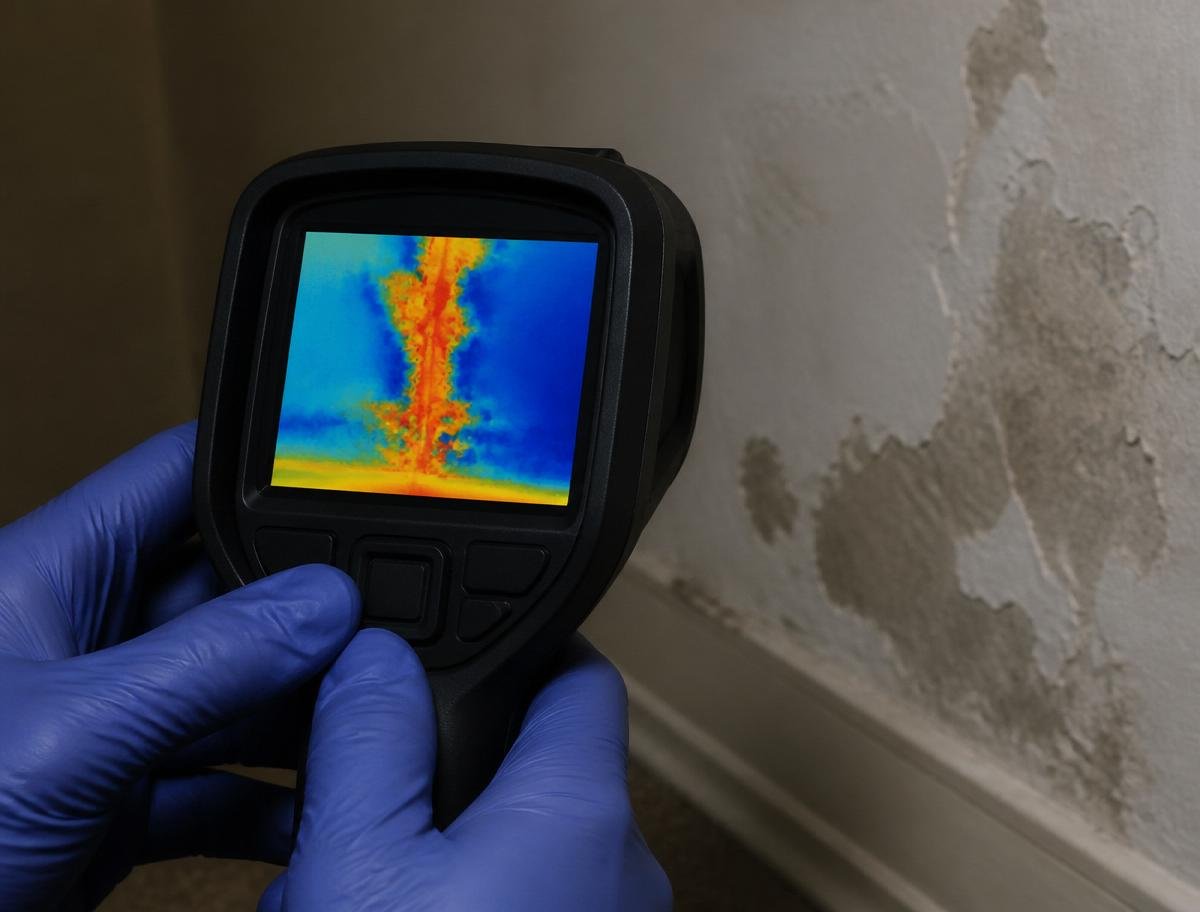
IICRC-Certified Technicians On-Site with Industrial Extraction & Thermal Moisture Imaging
LicensedInsuredIICRC CertifiedFast ResponseLocal Arizona Technicians24/7 Emergency Available
LIVE DISPATCH · 24 HOURS A DAY · PHOENIX METRO
Emergency Indoor Water Damage — Is a Leak Spreading Right Now?
If water is moving through your property at this moment, the clock decides what gets saved. Our dispatch line is answered by a person every hour of every day, and a certified crew is typically on site across the Phoenix metro in about 45 minutes. Overnight dispatch is fully staffed and ready to confirm an immediate arrival window.
Water damage restoration is the scientific process of stopping an unexpected indoor water loss, extracting standing water, drying the structure completely to IICRC S500 standards, and repairing affected materials. Common Phoenix-area calls include burst supply lines, failed water heaters, leaking appliances, ceiling leaks, plumbing overflows, and slab leaks.
These losses migrate through drywall, insulation, flooring, cabinets, and concrete long before the surface looks dry. Outside water from monsoon runoff or rising groundwater follows a different cleanup path; see our flood damage cleanup service for contaminated floodwater, silt, debris, and property-flooding scenarios.
Water Damage Categories — What's Actually In the Water
Restoration professionals classify every water loss by contamination level. This determines what safety precautions apply and what documentation is required for the file. For a deeper breakdown, see our guide to Clean, Gray, and Black Water Categories.
CAT 1 · CLEAN WATER
Category 1 — Clean Water
Comes from a sanitary source — a supply line, a clean overflowing tub, an ice-maker line. Not a health risk at the source. But it's time-sensitive: left wet for roughly one to three days, clean water starts absorbing contaminants from the materials around it and becomes Category 2.
CAT 2 · GRAY WATER
Category 2 — Grey Water
Contains meaningful contamination — a washing machine or dishwasher overflow, a toilet overflow without solid waste. Can cause illness on contact, and requires disinfection of anything it touched.
CAT 3 · BLACK WATER
Category 3 — Black Water
Grossly contaminated indoor water, such as a sewage backup or toilet overflow with waste, requires protective equipment, containment, and removal of affected porous materials. Outside floodwater has its own cleanup scenarios covered on our flood damage cleanup page.
There's no "Category 4" — if a company tells you that, ask them to explain what standard they're referencing.
§ 06 · Classes
Water Damage Classes — How Hard the Structure Is to Dry
Class is a completely separate system from category — it's not about contamination, it's about how much water is involved and how difficult the structure will be to dry. Any category can pair with any class.
Class 1
Smallest scope — minimal absorption into low-porosity materials like tile or sealed concrete. The fastest and least expensive to dry.
Class 2
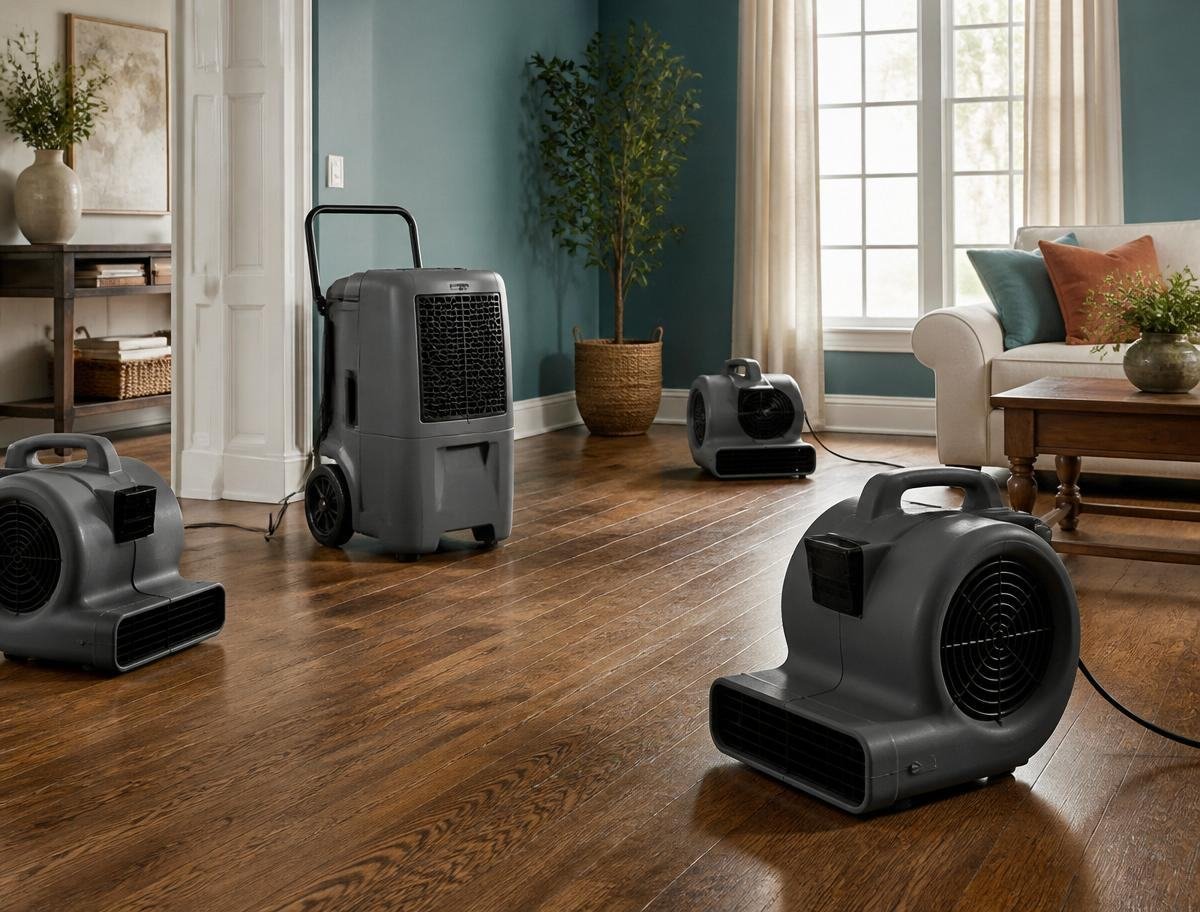
Water has absorbed into carpet, padding, and some structural material. Needs professional-grade air movers and dehumidifiers, not a box fan.
Class 3
A large indoor release, often from an overhead pipe, upstairs fixture, or supply-line failure, that saturates ceilings, walls, flooring, and insulation.
Class 4
Deep absorption into dense or porous materials — plaster, brick, concrete, hardwood. Needs specialty drying equipment and the longest timeline of the four.
Why this matters: Getting the category and class right isn't just technical precision — it directly determines the drying equipment, timeline, and safety precautions your job actually needs. Misclassifying a loss is one of the most common reasons a restoration falls short.
§ 07 · Process
What Actually Happens, Step by Step
1
Emergency Call & Triage
We start guiding you the moment you call, before a technician even arrives.
2
Inspection & Damage Assessment
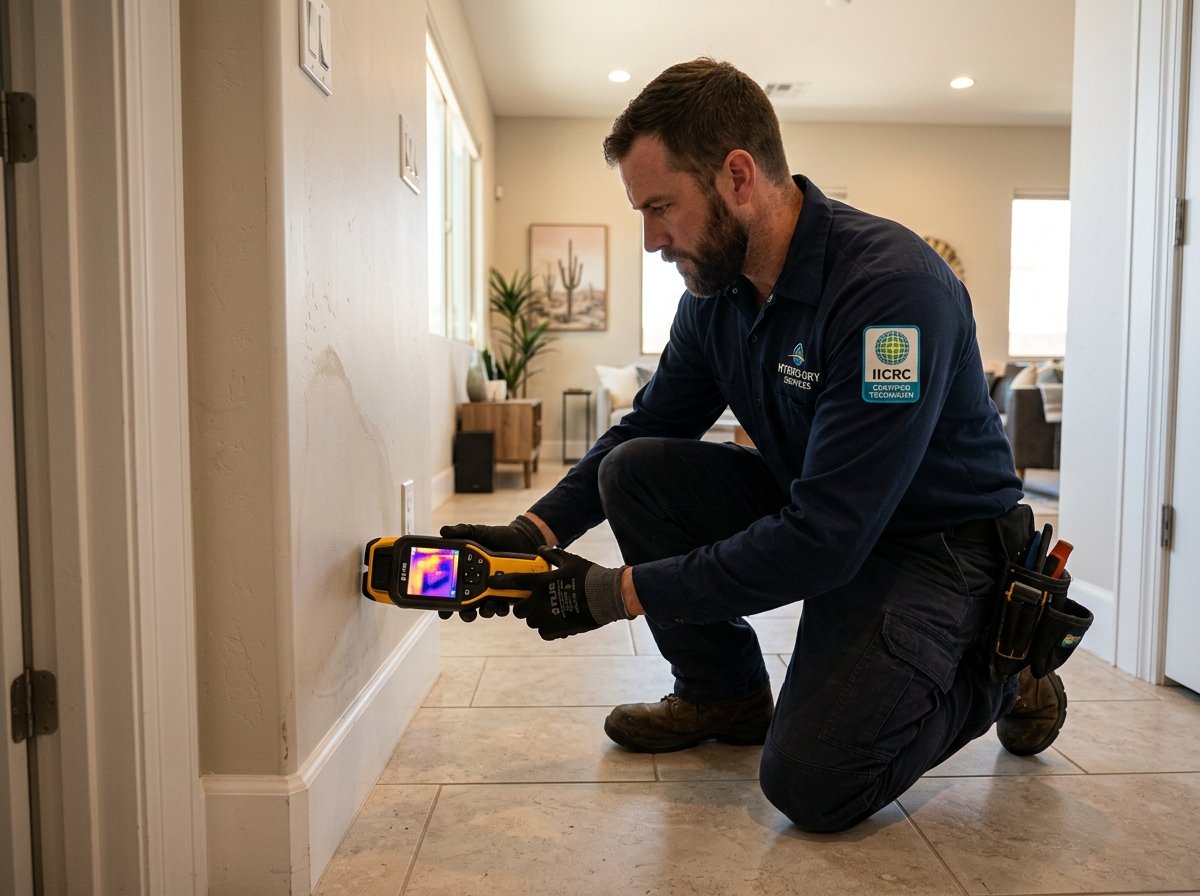
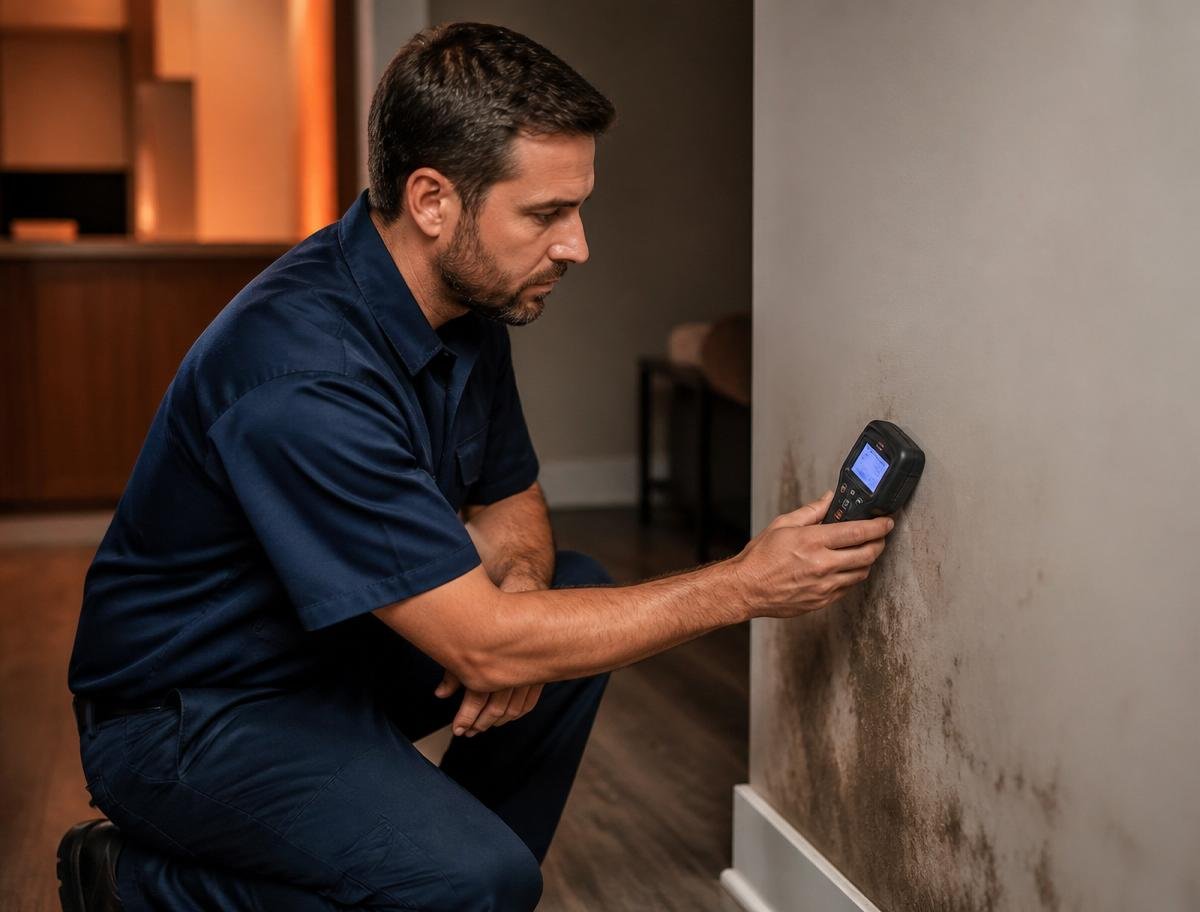
A full walkthrough with moisture meters and thermal imaging to find water you can't see, not just what's obvious.
3
Water Categorization & Classification
We determine the water category and damage class on-site and document it as the first entry in your file — the foundation for everything that follows.
4
Water Extraction
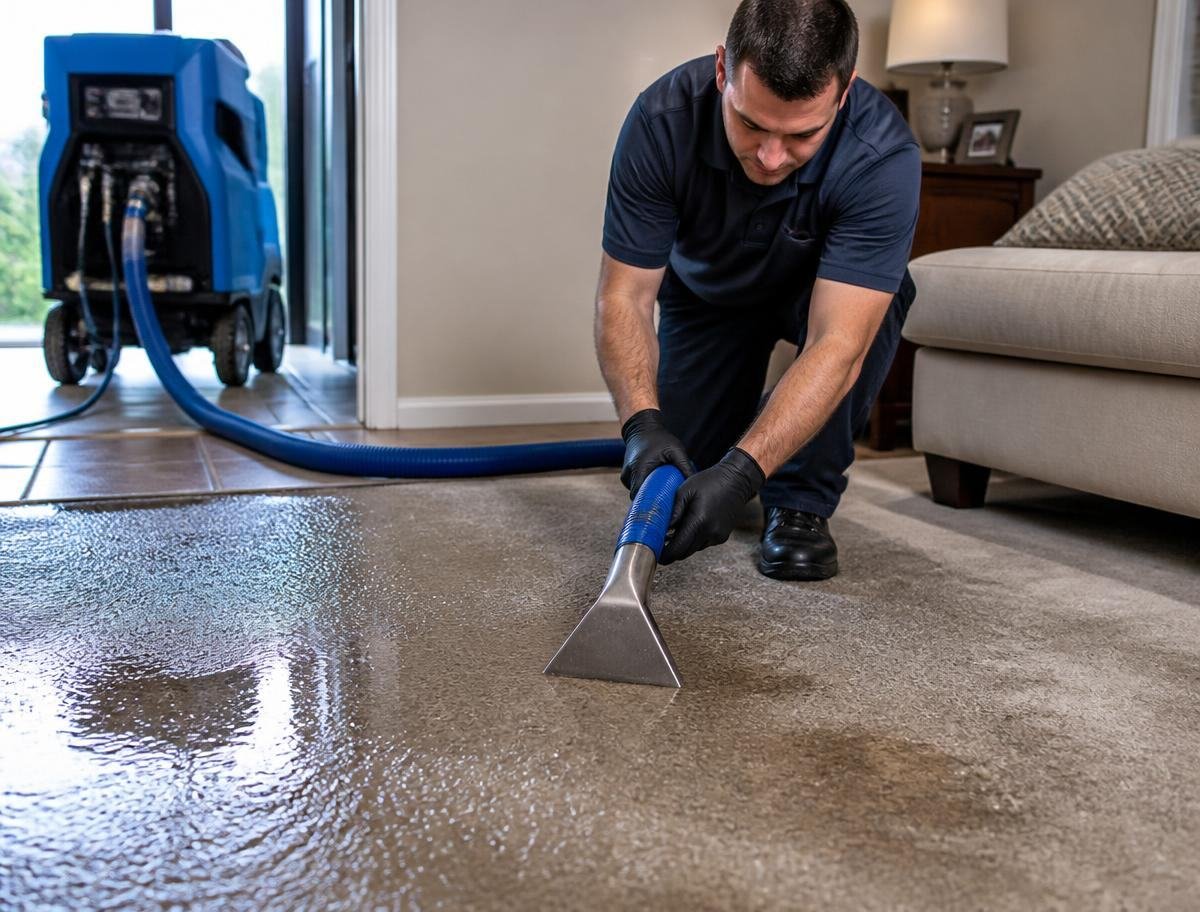
Standing water removed immediately with commercial-grade pumps and extractors.
5
Drying & Dehumidification
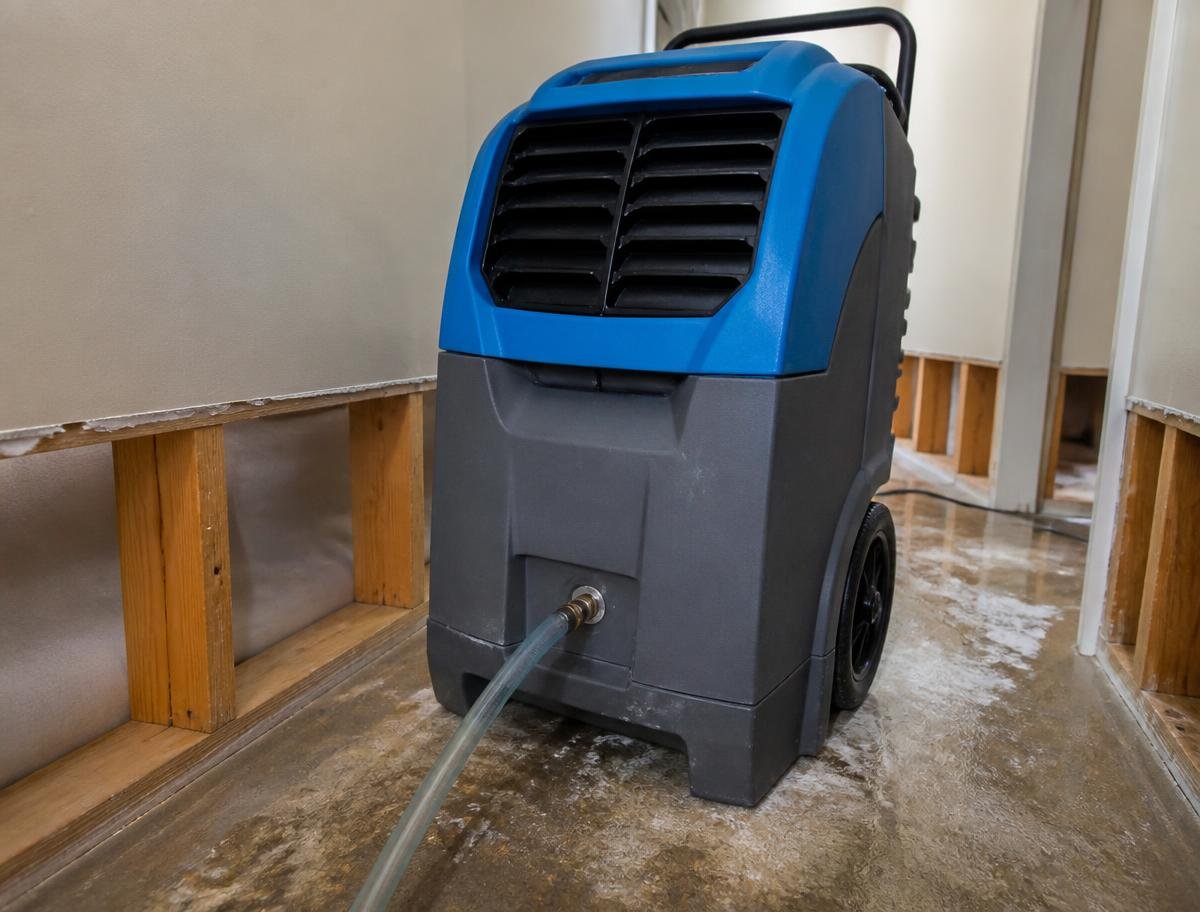
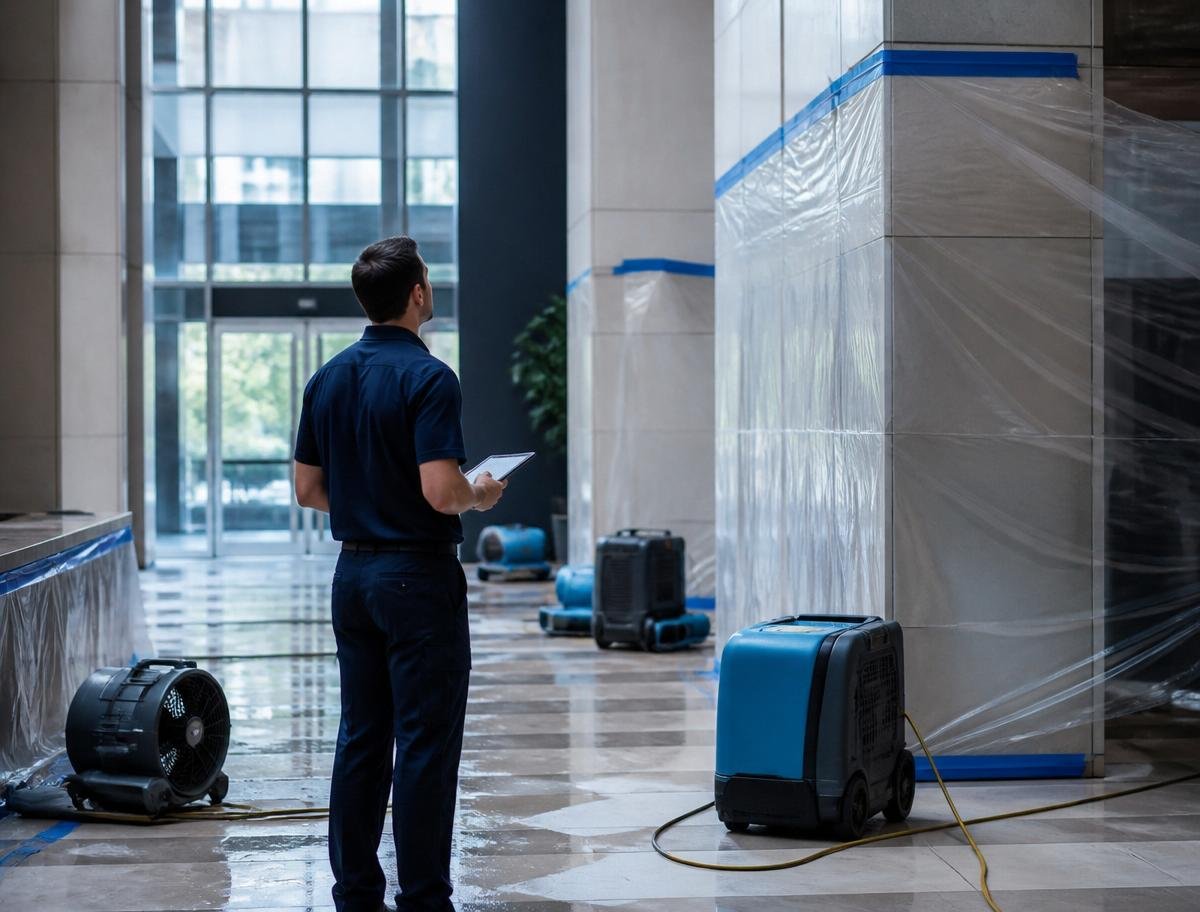
Industrial air movers and dehumidifiers placed and monitored daily until moisture readings confirm the structure is actually dry — not just dry to the touch.
6
Cleaning & Sanitization
Antimicrobial treatment on anything the water contacted, calibrated to the water category involved.
7
Repairs & Reconstruction
Drywall, flooring, and any other materials that had to come out get put back — handled by the same team, not handed off to a subcontractor you've never met.
8
Final Inspection & Documentation
A final walkthrough confirms the job's complete, with full documentation delivered to you.
Why Choose Our Phoenix Water Damage Restoration Company
When flooding or a pipe leak hits your home or business, the water damage restoration company you hire determines whether you get rapid, documented structural drying or weeks of secondary mold headaches. Compare our IICRC S500 certified standards to typical franchise outfits:
AZ Water Damage Restoration
Industry Average / Franchise
Free on-site thermal moisture inspection
$200–$300 inspection charge
Direct line answered 24/7 by a certified dispatcher
A burst pipe, water heater failure, or flooded bathroom is stressful enough — we handle the entire extraction, drying, and reconstruction process under one licensed crew.
Apartment complexes, hotels, medical facilities, and schools can't afford downtime. We coordinate around your operations, maintain containment, and expedite dryout.
Every photo pair below is the same room from the exact same camera angle — captured on emergency arrival, and verified after complete structural drying, sanitization, and rebuild.
IICRC Certified Field Logs
BeforeAfter
Drag · or use ← →
Kitchen — upstairs supply-line leak
CAT 1 · CLEAN WATERClass 2 loss (IICRC S500)Timeline: 6 days
Job #WD-2411-018 — Arcadia, AZ — Upstairs supply-line burst dropped ~40 gallons into the kitchen below.
Before you call anyone, it's fair to ask who actually walks through your door. Here's the crew, the equipment they carry, and the person who stays accountable for your job. We provide full written scopes and daily moisture logs for your permanent records.
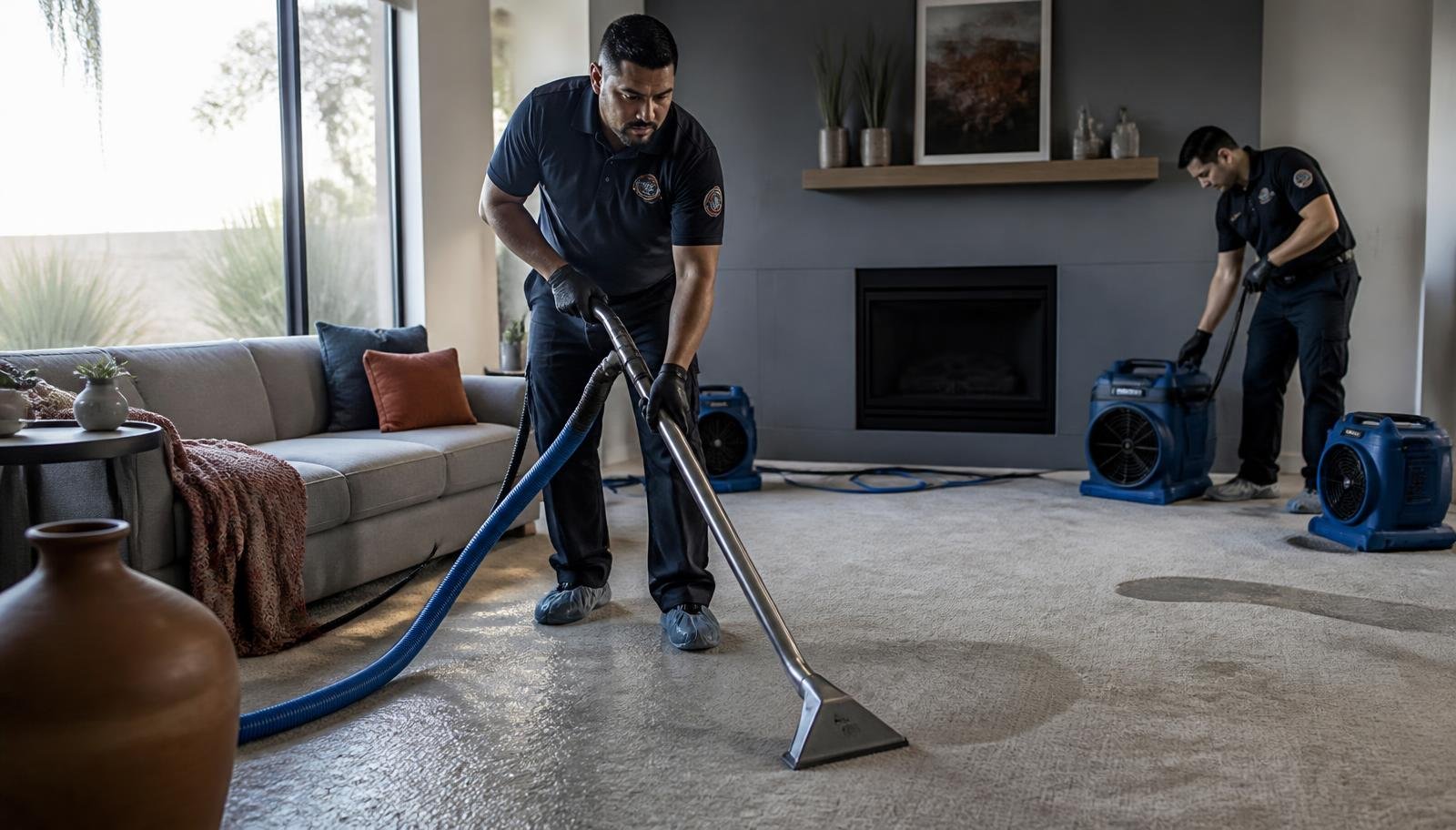
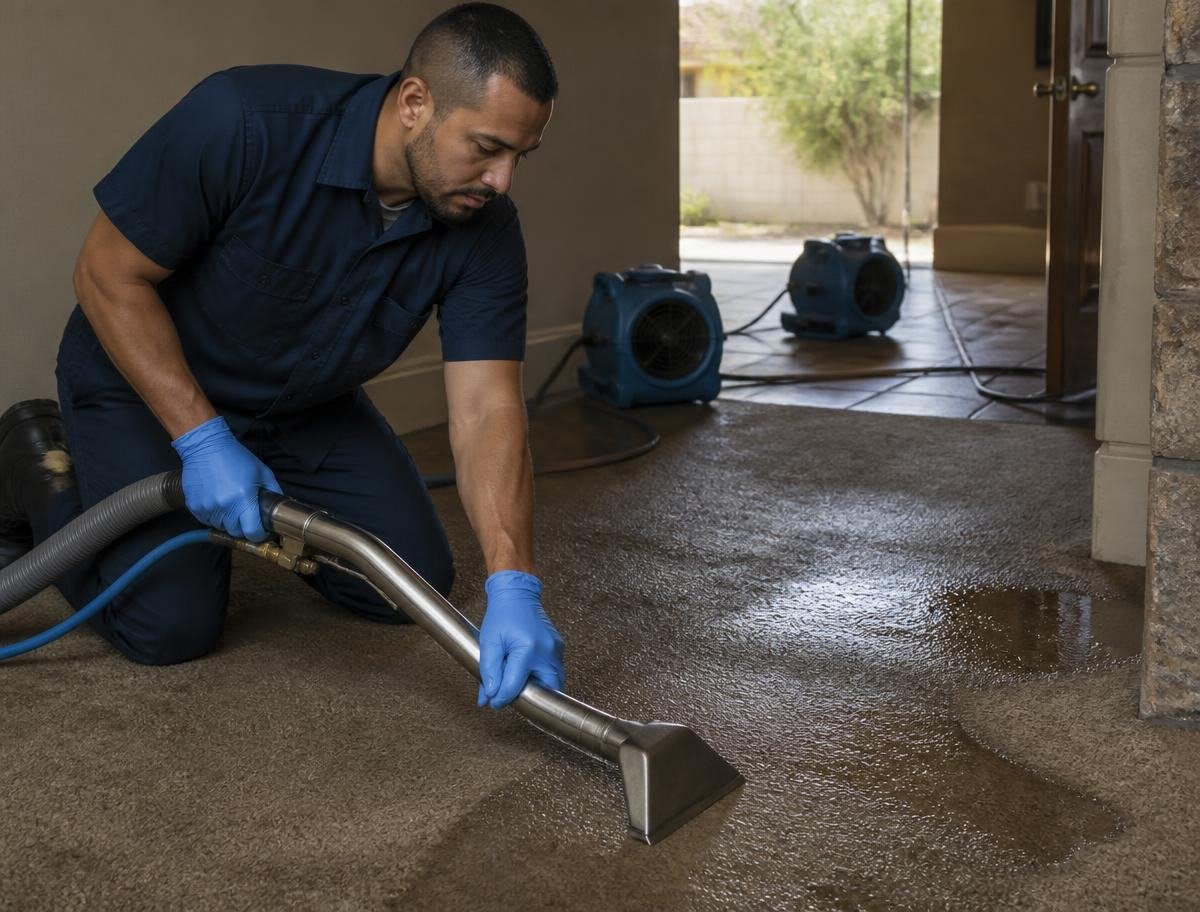
On site · Extraction in progress
Technicians, Not Subcontractors
The people who arrive are the people who finish the job — IICRC-trained, in uniform, with metered readings logged at every visit.
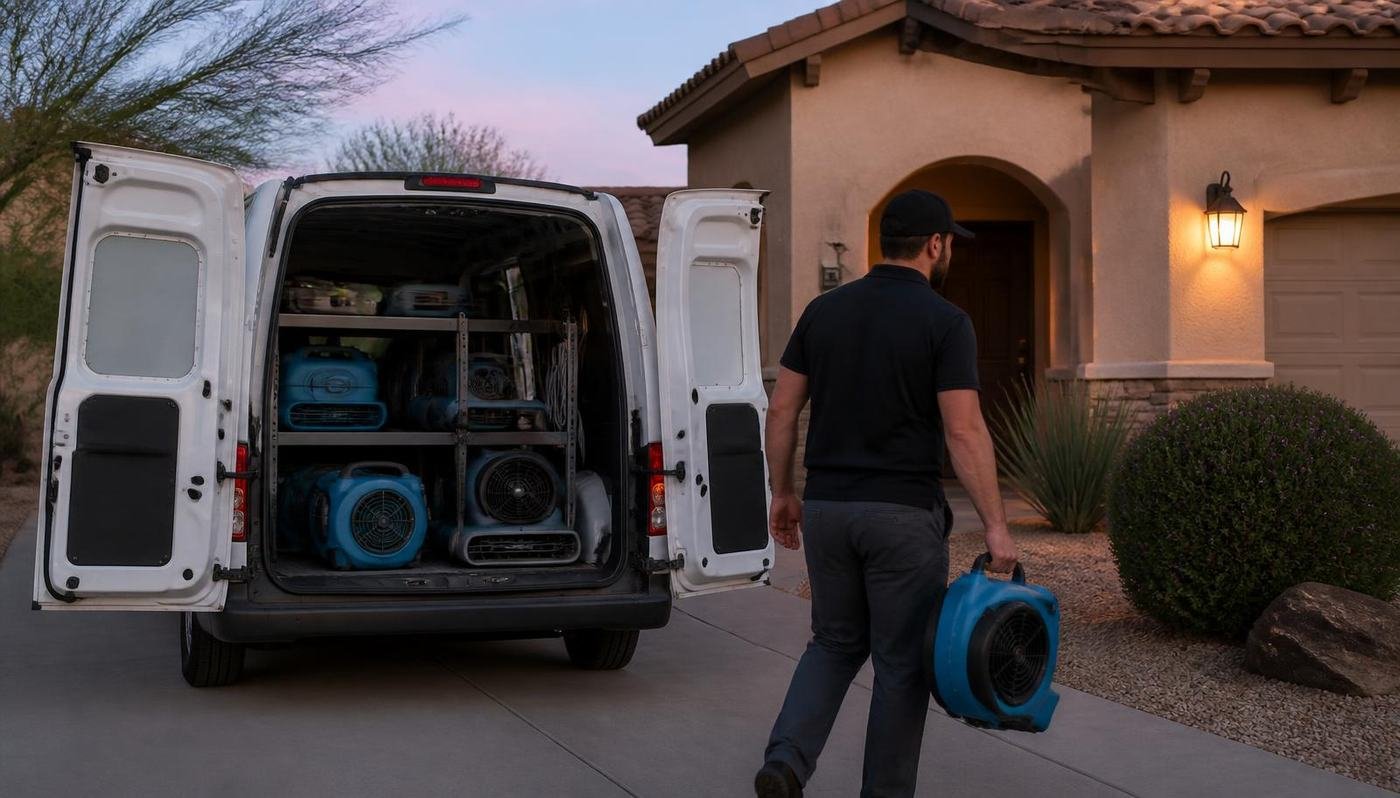
Dispatch · Stocked for same-day work
Trucks Loaded Before They Roll
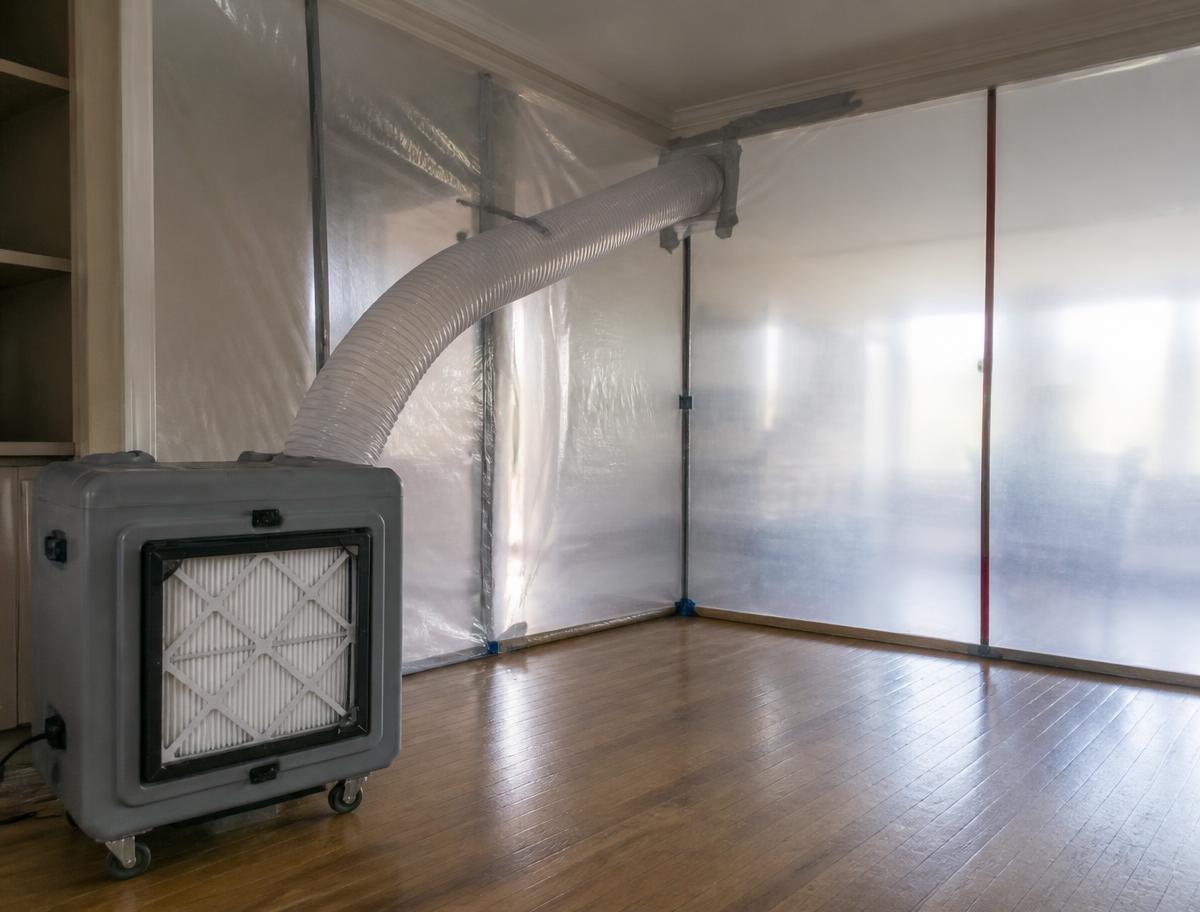
Extractors, air movers, dehumidifiers, and containment ride with every crew, so mitigation starts on the first visit instead of the second.
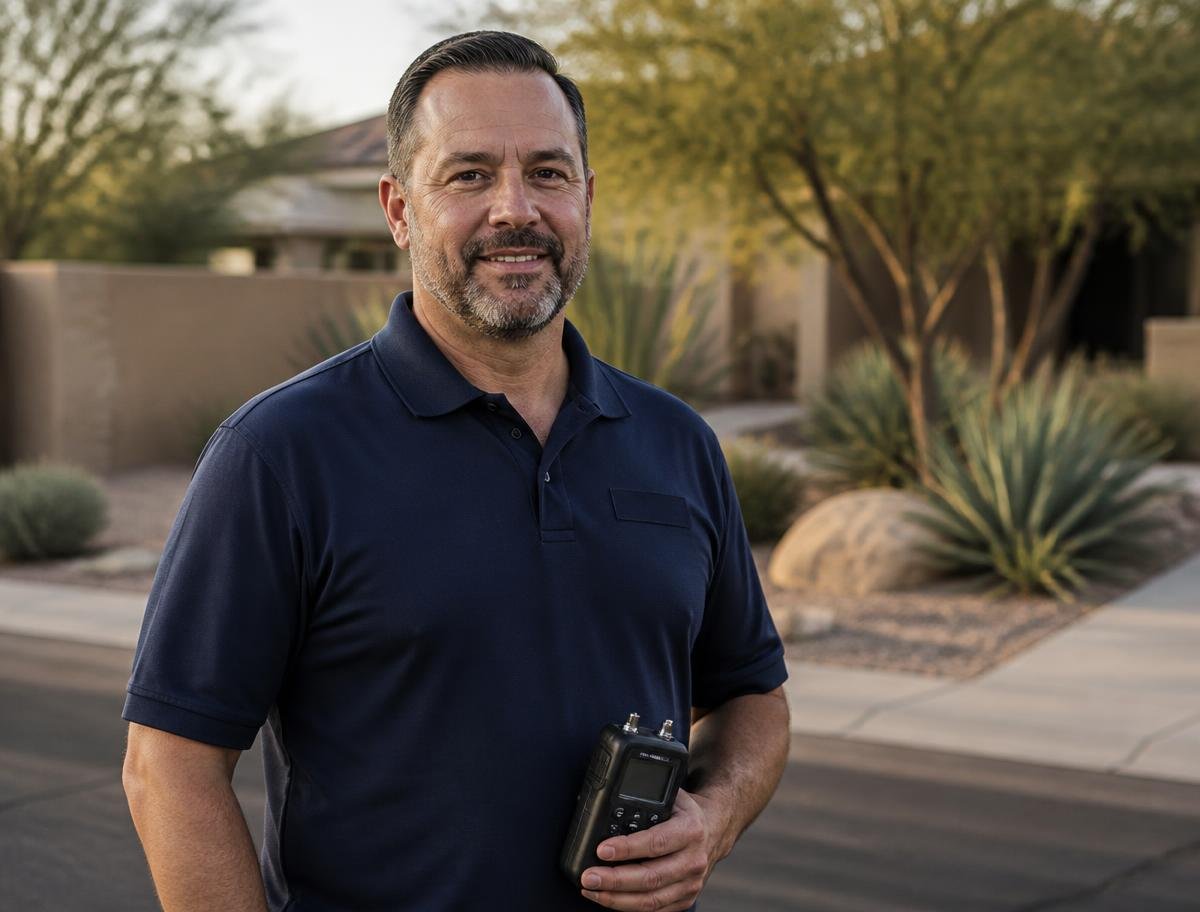
Crew lead · Single point of contact
One Person Owns Your Job
A crew lead walks the property with you, explains the drying plan in plain language, and stays your contact through final sign-off.
Water Damage Restoration Services Near You Across the Phoenix Metro
Need emergency water damage restoration or cleanup near you? Our certified extraction and structural drying crews stage 24/7 across Central Phoenix, the East Valley, and the West Valley for rapid ~42-minute response.
Average Arrival Time ~42 Minutes
Service area summary
We serve 12 cities across the Phoenix metropolitan area, organized into three regions. A tappable list follows the map; selecting a city highlights its marker and re-centers the map.
Water Damage Restoration Across 50+ Valley Neighborhoods
24/7 Priority Dispatch
View All 50+ Neighborhoods Served+
Central & North Phoenix Metro
Downtown Phoenix·
Roosevelt Row·
Willo Historic District·
Encanto·
Coronado·
Arcadia·
Biltmore·
Central Corridor·
Midtown·
North Central·
Sunnyslope·
Moon Valley·
Ahwatukee·
Maryvale·
Arrowhead Ranch·
Deer Valley
East Valley Metro
Old Town Scottsdale·
North Scottsdale·
McCormick Ranch·
DC Ranch·
Grayhawk·
Silverleaf·
Downtown Tempe·
South Tempe·
Warner Ranch·
Dobson Ranch·
Las Sendas·
Eastmark·
Power Ranch·
Val Vista Lakes·
Seville·
Ocotillo·
Sun Lakes·
Fulton Ranch
West Valley Metro
Estrella Mountain Ranch·
PebbleCreek·
Palm Valley·
Litchfield Park·
Verrado·
Sundance·
Tartesso·
Marley Park·
Sun City·
Sun City West·
Sun City Grand·
Waddell·
Vistancia·
Trilogy at Vistancia·
Rancho Santa Fe·
Cortessa
Also providing 24/7 response to Cave Creek, Carefree, Fountain Hills, Anthem, New River, Laveen, Tolleson, Queen Creek, San Tan Valley, Apache Junction, Paradise Valley, and Wickenburg.
The full FAQ — emergency and after-hours response, cost, categories & classes, landlord questions, mold, and the do-it-yourself question every homeowner asks first.
Minor damage typically runs $500–$1,500. A full room runs roughly $3.00–$4.50/sq ft for clean water, $4.50–$7.00/sq ft for gray water, and $7.00–$10.00+/sq ft for black water, given the extra containment and antimicrobial protocols required. Most complete jobs land between $1,800 and $6,000. We provide an exact itemized written scope before work begins.
This depends on your lease and Arizona's specific landlord-tenant law, not a single universal number — check your lease and the relevant statute, or an attorney, for your exact situation.
Mitigation is stopping the damage from getting worse — extraction and drying. Restoration includes that plus the repairs needed to return the property to its original condition. In practice, our company handles both under one project.
Our average arrival time is 42 minutes across the Phoenix metro, 24/7, including holidays.
Category 1 (clean), Category 2 (gray/contaminated), and Category 3 (black/grossly contaminated) — full explanation in the Water Damage Categories section above.
Class 1 through 4, describing how much water is involved and how difficult the structure is to dry — full explanation in the Water Damage Classes section above.
If it's safe, shut off the water main. Avoid standing water near outlets or electrical panels. Document the damage with photos before anything is moved or cleaned. Avoid using a household vacuum on standing water. Call our emergency dispatch promptly — the first 24–48 hours matter most.
Dry affected materials within 24–48 hours, remove anything too wet to save promptly, and use professional-grade dehumidifiers rather than relying on open windows or a box fan.
Cosmetic ceiling repair (drywall and paint) is usually a smaller line item than the total job — the bigger cost driver is almost always fixing whatever caused the leak in the first place (roof, plumbing, or an upstairs appliance).
A burst pipe, failed supply line, overflowing appliance, active ceiling leak, or any indoor water loss that is still spreading should be addressed immediately. Shut off the source if it is safe to do so and avoid standing water near electrical equipment.
Yes — see the Residential vs. Commercial section above for the two service tracks.
The full Phoenix metro — see the Areas We Serve section above for the complete list of cities.
Look for IICRC certification, a real state contractor's license, checkable (linked) reviews, and a written guarantee — not just a company that answers the phone fastest.
Yes. Burst pipes, water-heater failures, washing-machine hoses, dishwasher leaks, refrigerator lines, and plumbing supply failures are core water damage restoration calls. We trace moisture, extract water, dry the assembly, and repair affected materials.
This page is the primary resource for unexpected indoor water losses. If outside water entered from monsoon runoff, rising groundwater, an overflowing wash, or widespread property flooding, see our dedicated flood damage cleanup service for floodwater extraction, debris removal, sanitation, and restoration.
For a very small, immediate spill on a hard surface, maybe. Anything beyond that risks missing moisture that's already migrated into walls or subfloor — which is exactly what leads to a mold problem weeks later that costs far more to fix than the original water did.
Yes. The dispatch line is staffed overnight, on weekends, and on holidays by a person who can confirm a crew and give you an arrival window on the call — not an answering service that takes a message until morning.
Emergency response is what we do; after-hours calls are handled the same way as daytime ones. The technician walks you through scope and cost before work begins so nothing is a surprise.
No, and waiting is the single most expensive decision in a water loss. Air movers and dehumidifiers are staged on the first visit. Every hour water sits, it migrates further into materials that could otherwise have been dried in place.
Shut off the water main and stay out from under a sagging or bubbling ceiling, which can hold a surprising amount of weight before it fails. Cut power to that room at the breaker if fixtures are involved, then call us — ceiling cavities hide water that a visual check will always underestimate.