Normal Fungal Ecology
The background mold levels present in any normal, unaffected building. No remediation needed; this is the baseline every remediation project is trying to restore a space to.
Looking for reliable mold remediation near me? We provide IICRC S520 certified water damage mold remediation, 24/7 emergency mold removal services, crawl space encapsulation, attic decontamination, and third-party clearance testing across Phoenix, Scottsdale, Mesa, Chandler, Gilbert, and Valleywide.
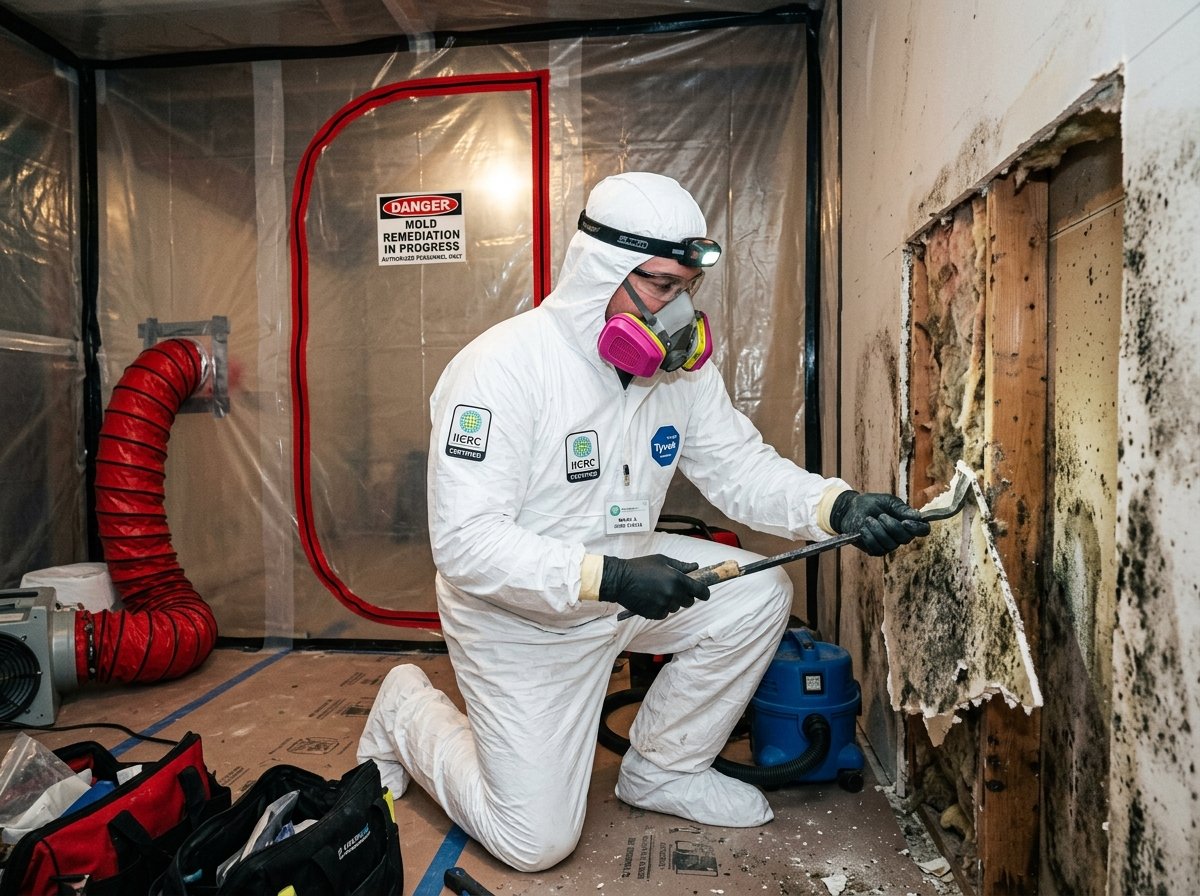
IICRC S520 Certified Mold Remediation, HEPA Air Filtration & Negative Pressure Containment
Mold requires only one catalyst to colonize: trapped moisture. While Arizona's ambient desert climate is arid, monsoon roof breaches, slow under-sink plumbing leaks, and poorly draining AC condensate lines create the localized micro-climates mold thrives in.
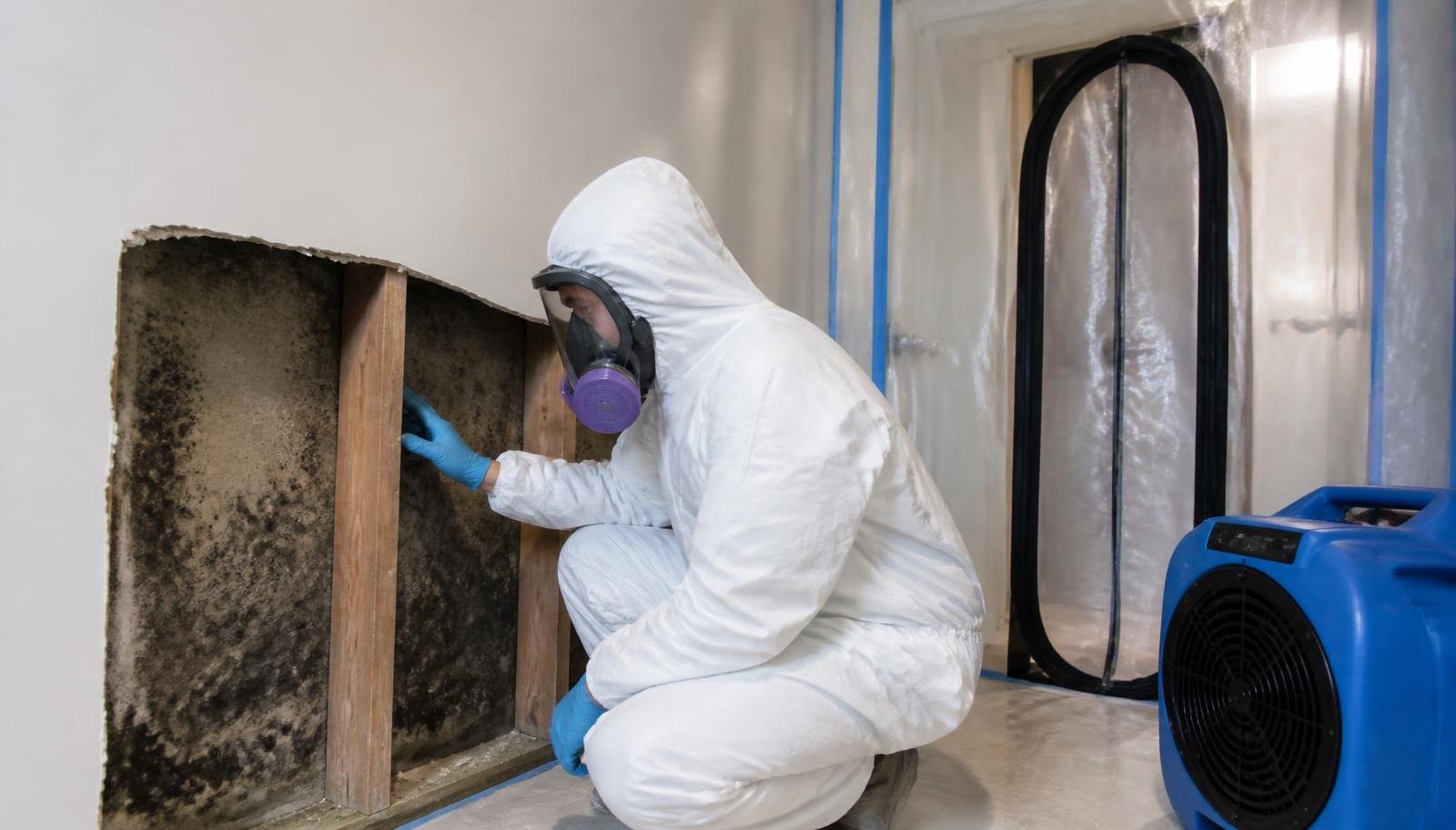
Under IICRC S520 guidelines, professional mold remediation isolates the affected zone with physical containment barriers, runs negative-air HEPA filtration, safely removes contaminated porous drywall and insulation, and applies hospital-grade antimicrobials to framing.
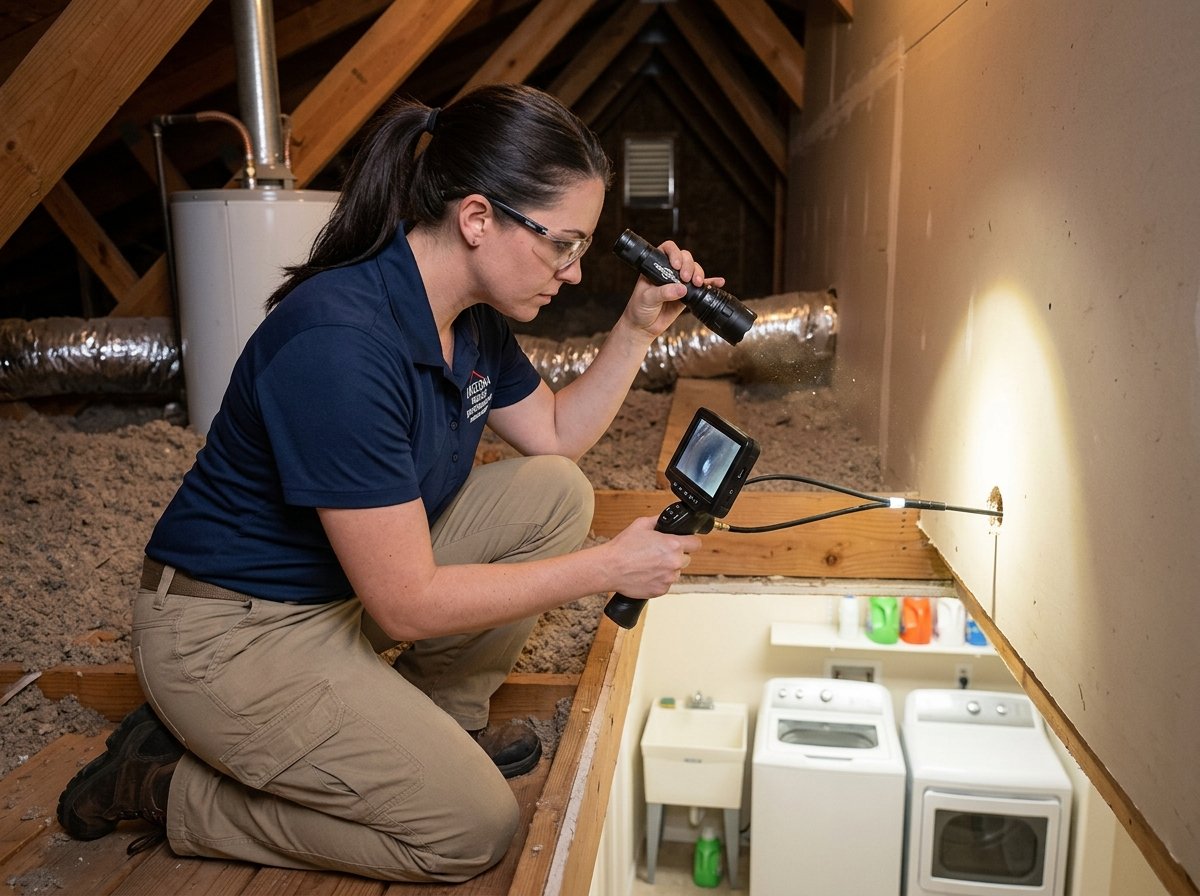
Pinpointing hidden microbial colonization behind drywall and inside mechanical chases before setting containment.
Often the first sign, even with no visible growth yet.
Any color, not just the "black mold" most people picture.
Moisture events that weren't dried out to psychrometric standard.
Specifically when inside the home or office.
Yellowish, brown, or dark rings on drywall and ceilings.
A direct physical symptom of trapped moisture behind the substrate.
High localized humidity that enables fungal colonization.
Undetected condensate seepage pooling in attic insulation above ceilings.
Professional mold remediation follows the IICRC S520 standard, which classifies contamination into three Conditions — not by how the mold looks, but by what's actually happening in the space:
The background mold levels present in any normal, unaffected building. No remediation needed; this is the baseline every remediation project is trying to restore a space to.
The space is contaminated with spores that settled from a Condition 3 area nearby, or from an outside source — but there's no active growth on that particular surface yet.
Visible or hidden active or dormant mold growth. This is what triggers a full remediation protocol.
The goal of remediation, by this standard, is always to return a space to Condition 1 — not to make it smell better or look cleaner, but to verifiably restore it to a normal fungal ecology.
Separately from the Condition system, EPA guidance classifies remediation scope by how much area is affected, since that determines what containment and protective equipment the job actually requires:
Small enough that EPA guidance allows a cautious homeowner to handle it, with basic protection (an N95 respirator, gloves, and eye protection) and the moisture source fixed first.
EPA recommends professional-grade respiratory protection and containment at this scale — this is where most jobs cross from "a homeowner could reasonably do this" to "this needs a professional."
Full containment with negative air pressure, complete PPE, and typically a 1-to-3-week timeline rather than days.
Knowing which scope applies before work starts is what determines whether a job needs full containment or can be handled more simply — treating a large job like a small one is how remediation fails and mold comes back.
Different structural zones demand distinct containment, air-scrubbing, and antimicrobial protocols. Whether you require black mold removal in a residential bathroom, attic mold remediation after a monsoon storm, or crawl space mold encapsulation, our IICRC S520 certified crews execute every step with clinical precision.
Black mold thrives on drywall paper, ceiling assemblies, and wood framing exposed to recurring water leaks. Our technicians set strict negative-pressure containment with zipper airlocks, carefully cutting out colonized porous materials under continuous HEPA air filtration to prevent airborne mycotoxin dispersion.
Trapped ground dampness and plumbing drips cause dangerous fungal rot on subflooring and rim joists. We perform crawl space mold removal, abrasive wood cleaning, fungicidal wash, and complete vapor barrier encapsulation to protect living quarters above.
Phoenix summer attics bake above 140°F, creating severe condensation when air conditioning drain lines clog. We extract moldy insulation, HEPA vacuum framing, decontaminate rafters, and apply antimicrobial sealants for lasting protection.
When fungal spores invade air ducts or blower housings, central AC systems distribute contaminants throughout the entire property. We isolate HVAC returns, scrub internal duct surfaces, sanitize evaporator coils, and apply EPA-registered antimicrobial treatments.
Sunken floors and lower levels trap moisture against cooler concrete foundation walls. We extract water, remove colonized baseboards and drywall, sanitize concrete substrates with fungicidal wash, and deploy industrial dehumidifiers to keep RH below 50%.
Remediation stops the fungus, but true restoration rebuilds your home. As an Arizona licensed general contractor, we repair leaking plumbing lines, hang fresh mold-resistant drywall, re-texture, paint, and install flooring under one warranty.
In our arid desert climate, indoor mold rarely stems from general atmospheric humidity—it develops from high-temperature condensation inside your attic, roof leaks, and HVAC air handlers. When searching for attic mold removal near me or attic mold remediation, understanding how 140°F+ attic heat interacts with chilled evaporator coils is critical to permanently solving the problem.
Phoenix attics bake in extreme summer heat. When AC evaporator coils condense gallons of moisture daily, clogged drain lines overflow directly into attic insulation.
Blown-in fiberglass or cellulose insulation holds water against ceiling drywall for weeks without staining through, creating an ideal incubator for mold spores.
Micro-gaps in aging return ducts pull attic mold spores into the AC airflow, circulating musty odors and allergens to every bedroom in the house.
We set negative-air containment in the attic, HEPA vacuum framing, remove contaminated insulation, and apply antimicrobial sealants.
While many Arizona structures rest on concrete post-tension slabs, historic districts, manufactured homes, hillside properties, and commercial outbuildings feature crawl spaces and subfloors. Trapped ground moisture, plumbing drain pinholes, and poor ventilation spark microbial colonies on floor joists and subflooring. Our crawl space mold remediation protocol includes:
Thermal imaging and penetrating moisture meters pinpoint hidden moisture intrusion, rotted wood members, and active mold colonies beneath living spaces.
HEPA vacuuming, dry ice or media abrasive blasting of contaminated wood subfloors, followed by EPA-registered fungicidal wash and mold remediation sealants.
Installation of commercial-grade 20-mil reinforced vapor barrier liners, sealed foundation vents, and dedicated dehumidification systems for permanent mold prevention.
To eliminate any conflict of interest, AZ Water Damage Restoration strictly adheres to IICRC S520 ethical guidelines: we never test our own work to sign off on clearance. When you hire a certified mold inspector or licensed mold inspector, you deserve 100% objective data.
We welcome independent third-party environmental hygienists (CIH / ACAC certified) to conduct baseline mold testing, sporetrap air sampling, and post-remediation clearance inspection. Once our negative air containment, physical spore elimination, and hospital-grade antimicrobial treatments conclude, the independent laboratory certifies that your property has returned to Condition 1 (Normal Fungal Ecology)—giving you defensible documentation for real estate transactions, insurance claims, and family safety.
We identify the Condition (1–3) and the affected square footage, which together determine the entire approach.
Negative air pressure isolates the work area from the rest of the building, so remediation doesn't spread spores to unaffected rooms.
Protective equipment matched to the scope of contamination, not a one-size-fits-all approach.
Contaminated materials are physically removed — mold on porous material generally needs to come out, not just get cleaned, since surface cleaning alone often isn't enough to fully resolve it.
Remaining surfaces cleaned with HEPA vacuuming and antimicrobial treatment.
The underlying moisture problem gets fixed — skipping this step is the single most common reason mold comes back after a cleaning-only approach.
A final check confirms the space has actually been returned to Condition 1 before we call the job done.
Homeowners frequently ask: “How much does a mold inspection cost?” and “Do I need mold testing before remediation?” Here is how our transparent diagnostic process works across the Phoenix metro:
Best for: Visible mold blooms, active pipe leaks, localized water staining
Our licensed technician visually inspects visible growth, maps structural moisture levels with thermal imaging and pinless moisture meters, and outlines the exact containment scope required—with zero obligation.
Best for: Unexplained musty odors, chronic respiratory symptoms, real estate escrow
Calibrated air pumps collect indoor air volume samples alongside outdoor control baselines. An accredited laboratory identifies spore counts and fungal genera (Aspergillus, Penicillium, Stachybotrys, Cladosporium).
Best for: Real estate closing verification, insurance sign-off, tenant peace of mind
Following HEPA air scrubbing, physical removal, and antimicrobial application, an independent licensed mold inspector collects final air samples to certify the space is officially returned to Condition 1 Normal Fungal Ecology.
Whether you suspect black mold behind drywall or need third-party clearance for an insurance claim or real estate sale, our team coordinates same-day Valleywide dispatch.
Every job runs on metered, documented drying — not guesswork. This is what arrives on the truck.
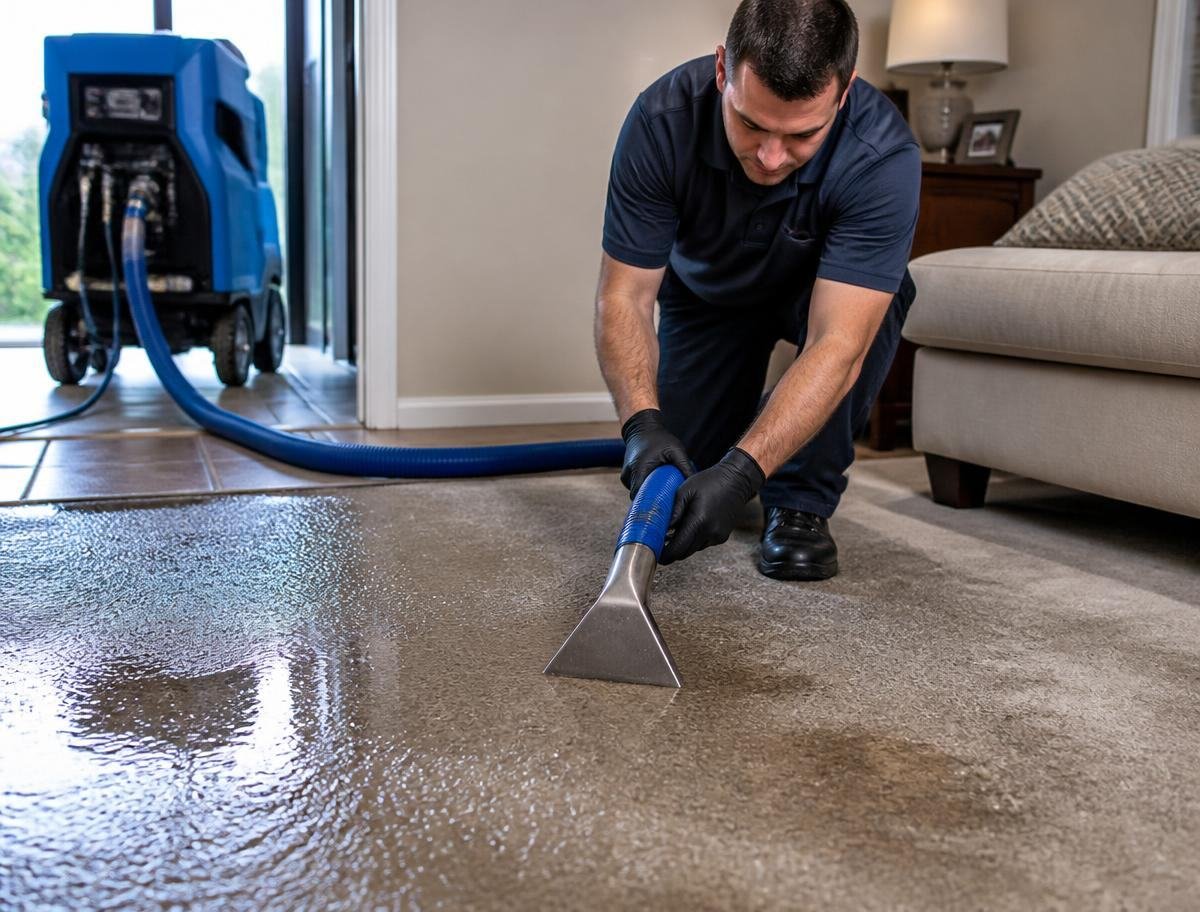
High-volume pump-out that removes standing water before it wicks into subfloor and drywall.
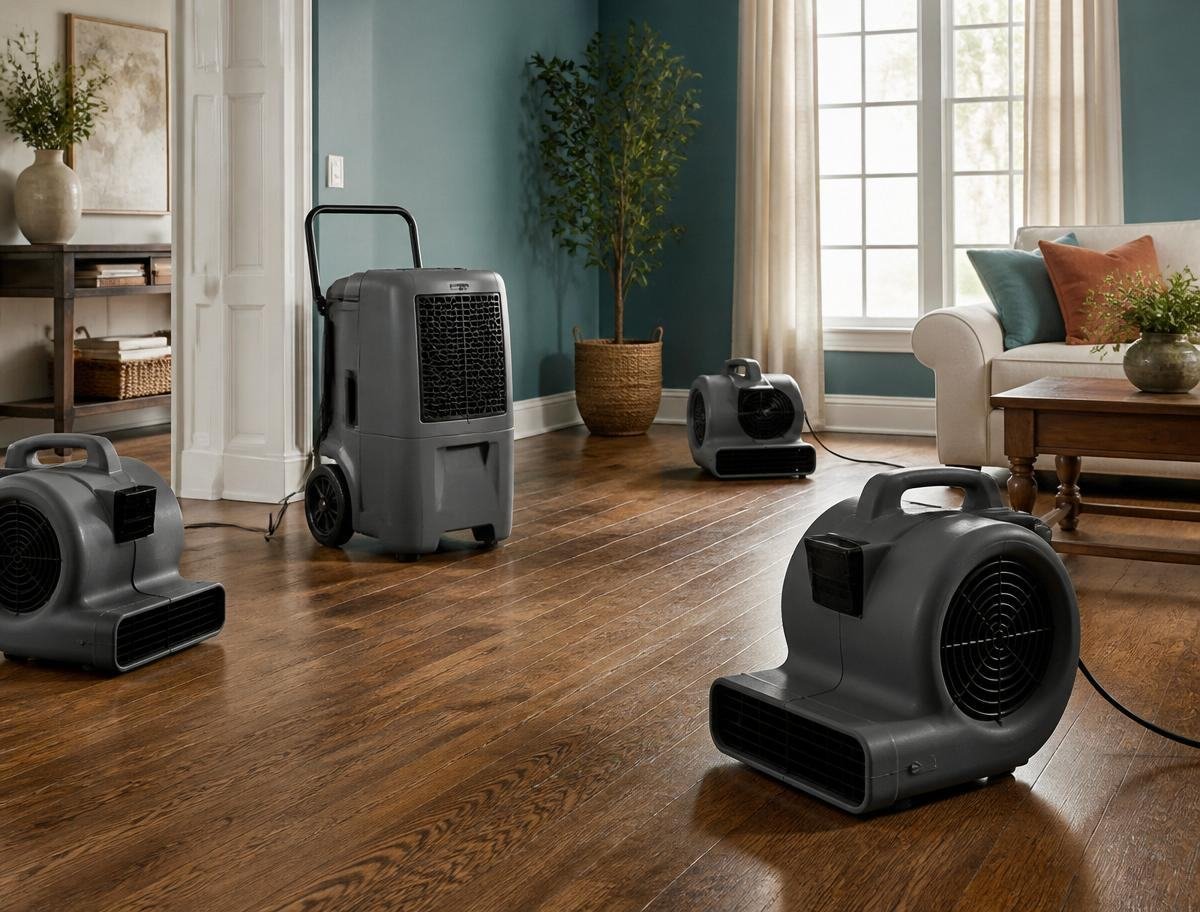
Directed airflow across wet materials to accelerate evaporation from framing and flooring.
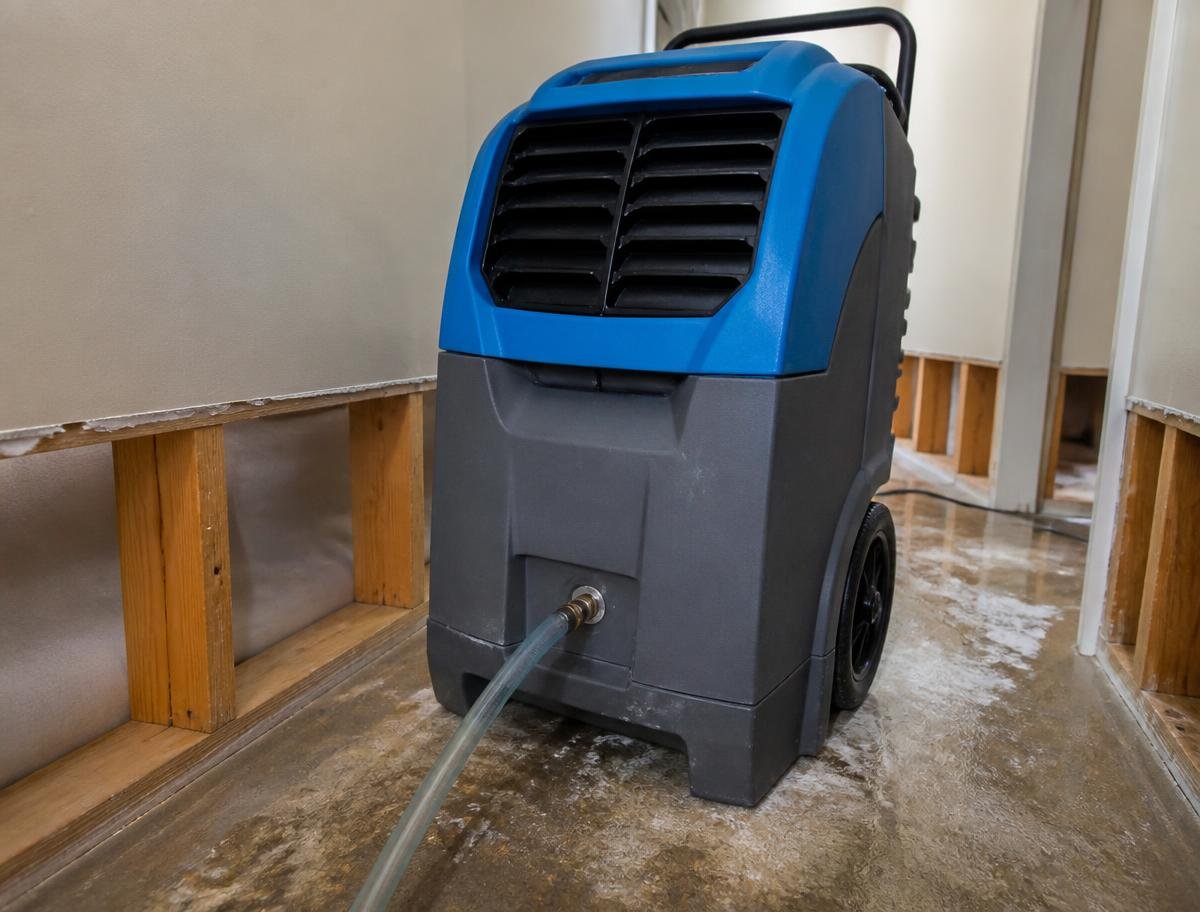
Low-grain refrigerant units pull the evaporated moisture back out of the air instead of moving it around.
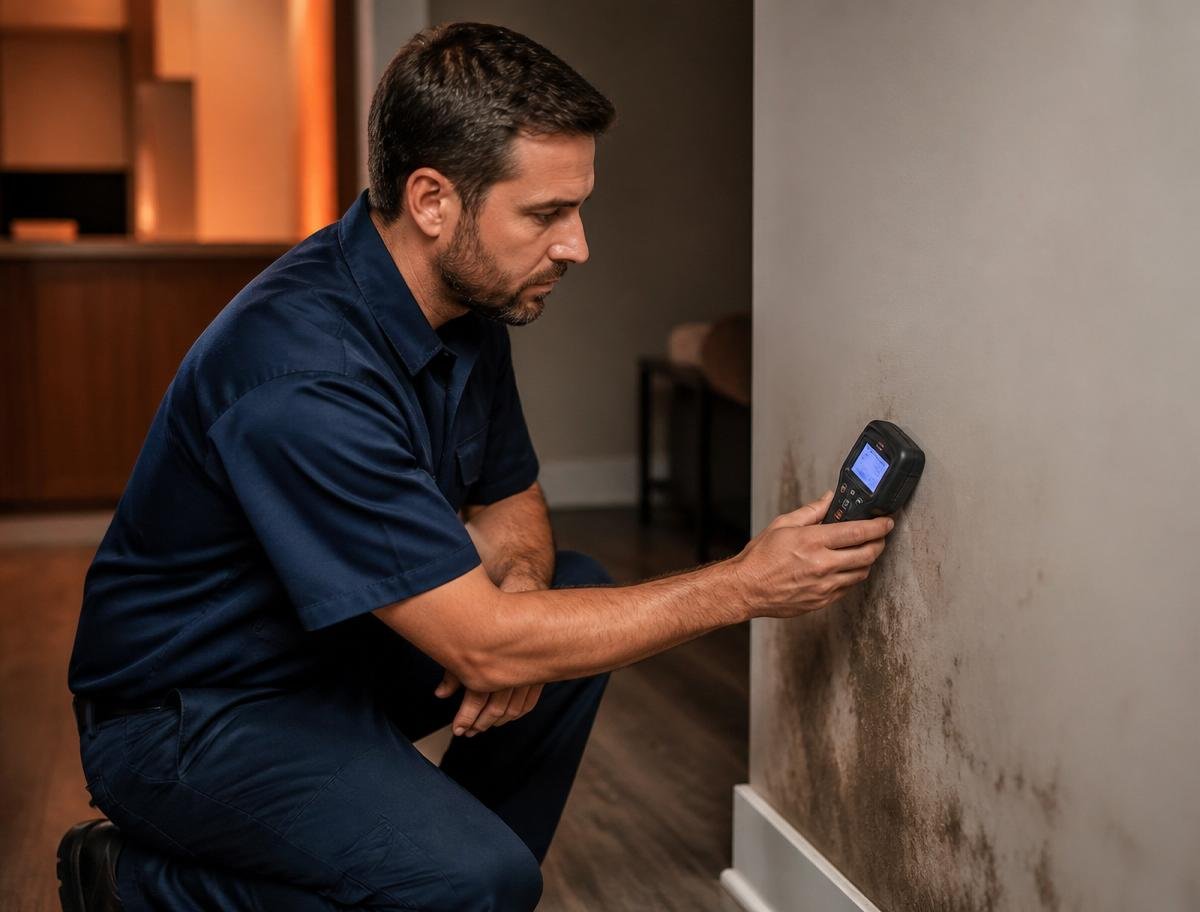
Daily documented readings that prove when a structure is actually dry — not just dry to the touch.
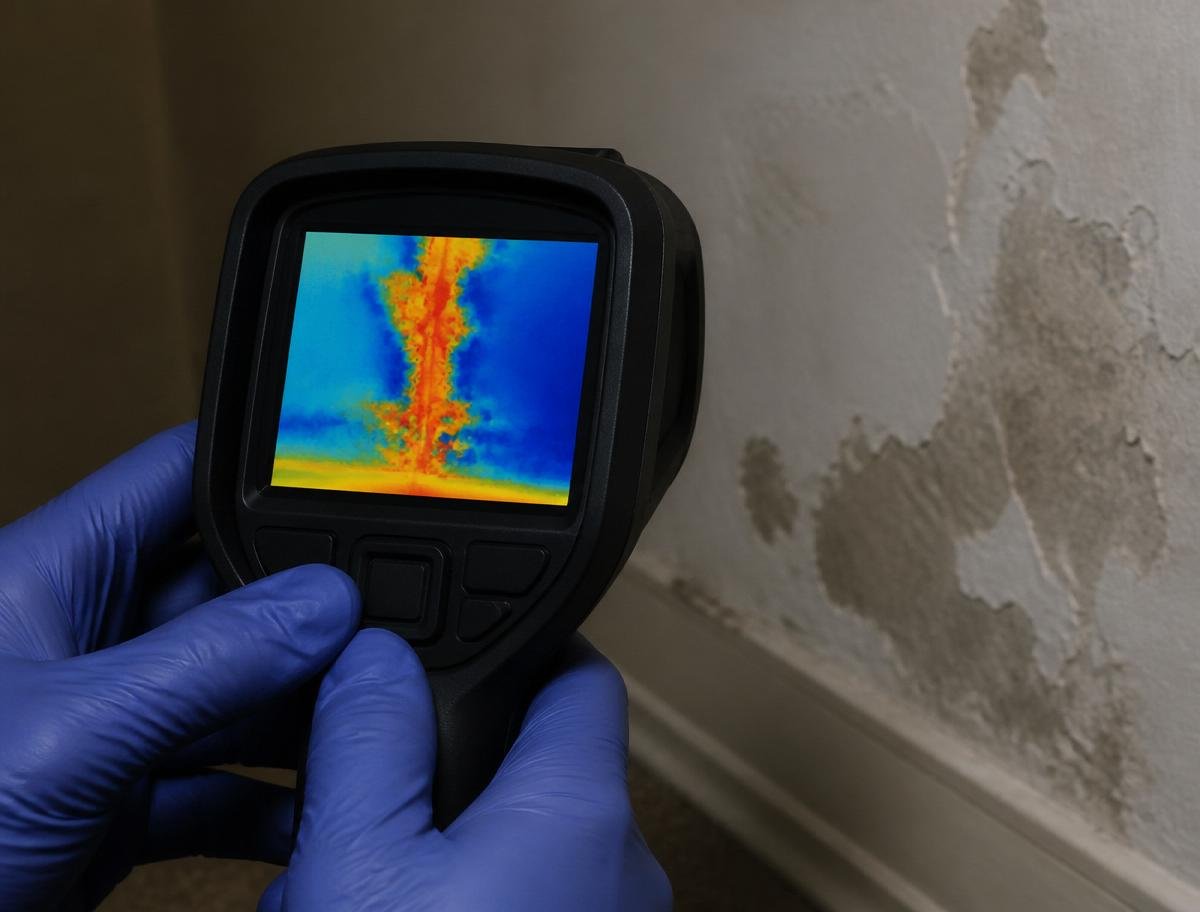
Infrared scanning locates water tracking behind walls and under cabinets before demolition starts.
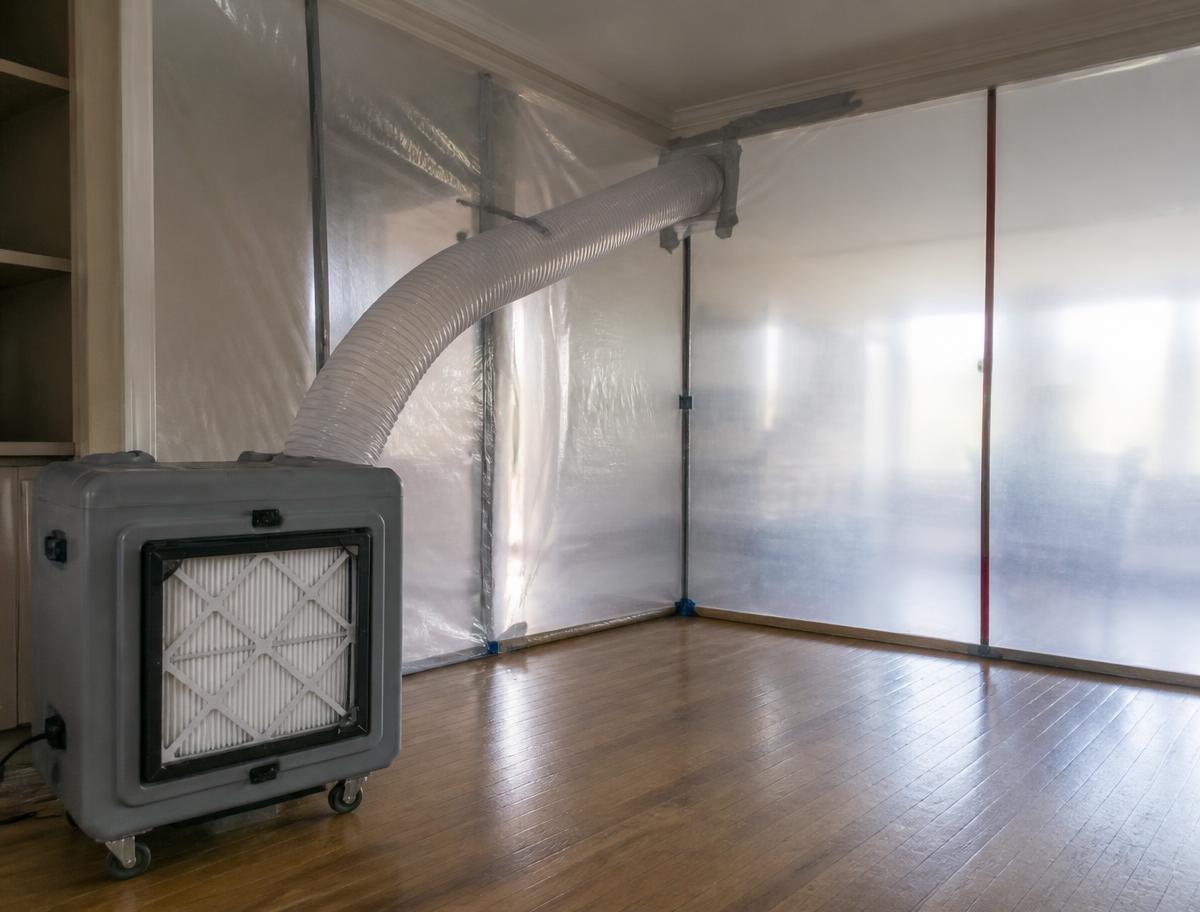
Negative-air containment that keeps spores and contaminants out of the rest of the property.
Condition assessment and, when relevant, third-party lab testing to confirm hidden growth. Residential & commercial.
Negative-air containment with HEPA filtration to keep spores from spreading during remediation. Residential & commercial.
Physical removal of contaminated porous material — the industry-standard resolution, not surface treatment alone. Residential & commercial.
EPA-registered hospital-grade antimicrobial wash and structural sealants applied to framing to prevent regrowth.
Duct and coil decontamination so remediated air doesn't recontaminate the rest of the building. Residential & commercial.
One of the most common hidden-moisture scenarios; handled with the same S520 containment discipline. Residential & commercial.
Ventilation and roof-leak-driven attic growth, remediated with the underlying moisture source corrected. Residential & commercial.
Third-party verification that the space has actually been returned to Condition 1 before sign-off. Residential & commercial.
When flooding or a pipe leak hits your home or business, the water damage restoration company you hire determines whether you get rapid, documented structural drying or weeks of secondary mold headaches. Compare our IICRC S500 certified standards to typical franchise outfits:
Mold in your home affects more than drywall — it impacts indoor air quality for your family. We establish airtight negative-pressure containment and verify spore clearance before unsealing.
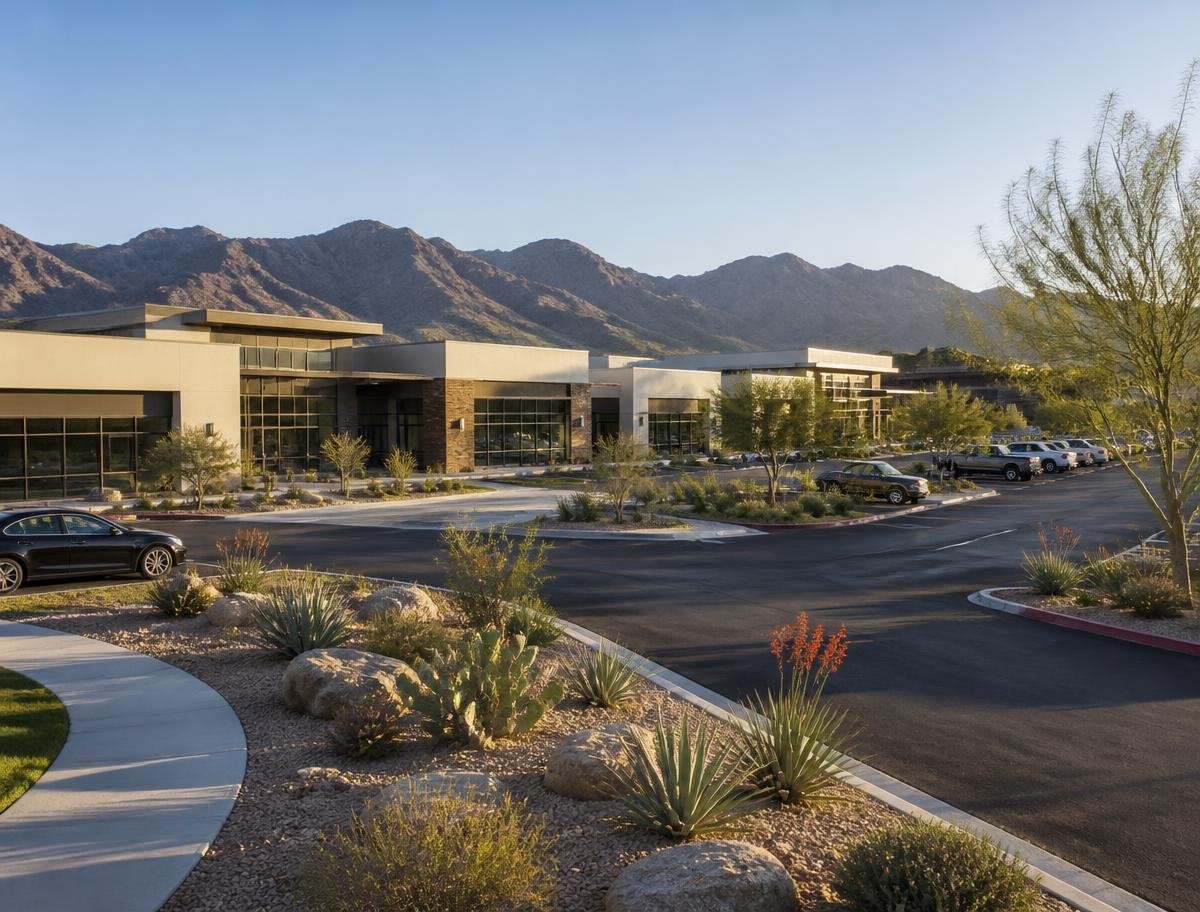
Offices, apartment communities, schools, and healthcare facilities can't have mold lingering. We coordinate directly with property managers and facilities teams to minimize disruption.
As one of the leading commercial mold remediation companies in Arizona, we know a commercial mold job isn't just a larger residential project. There are business tenants to protect, shared commercial HVAC returns that bridge suites, property managers requiring defensible clearance documents, and revenues tied to every hour of operations. Our certified commercial mold removal services include:
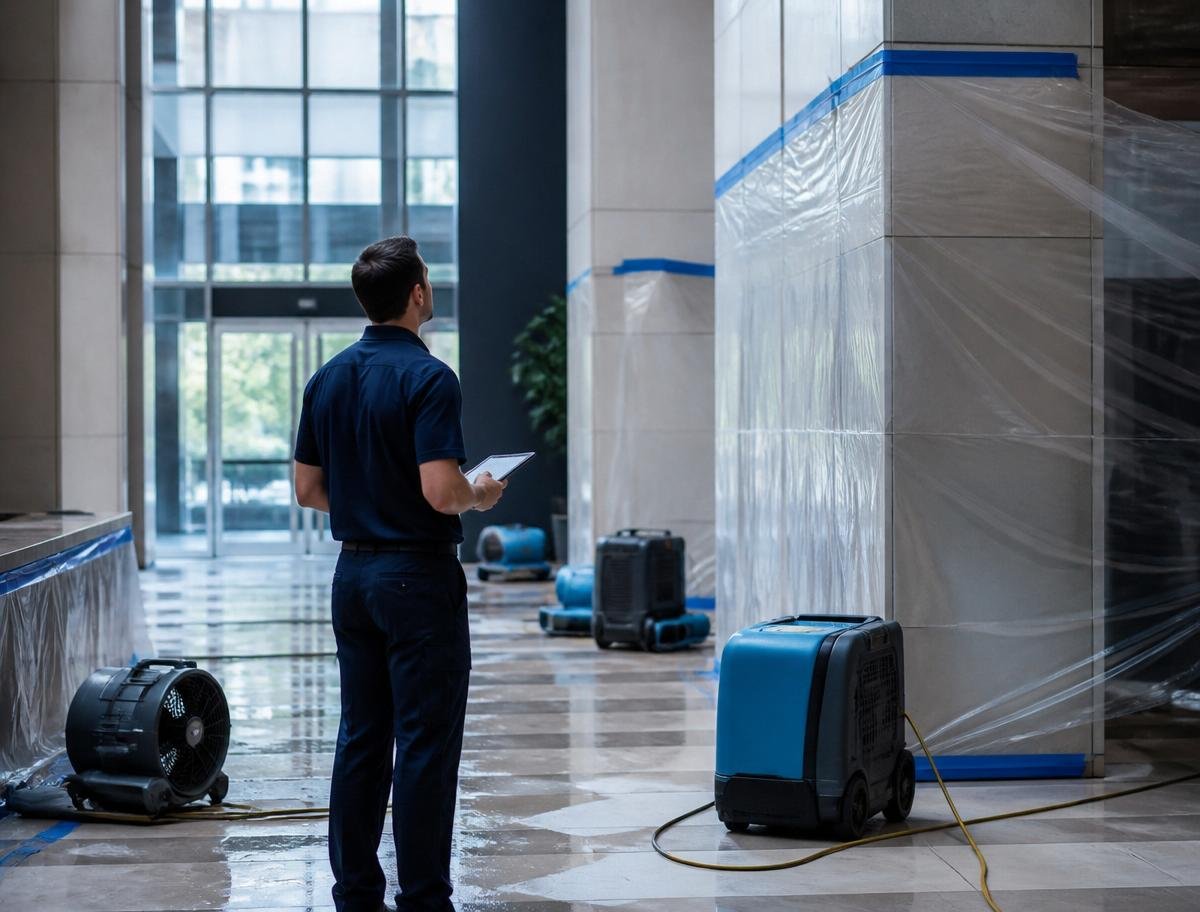
Commercial work starts with a defined scope: affected square footage, IICRC S520 Condition classification per area, containment level, and the moisture source that has to be corrected. Ownership and property management approve a document, not a verbal estimate.
Critical barriers, HEPA-filtered negative air machines, sealed returns, and shut-down or isolated air handling so remediation in one suite doesn't distribute spores across a shared system.
Surface and tape-lift sampling confirms what is growing on a material. Air sampling compares indoor spore counts to an outdoor baseline and is what most clearance protocols rely on. Which one applies depends on the question being answered, and on commercial jobs a third party should answer it.
Respiratory protection matched to the contamination level, controlled waste routes, and occupant notification handled with your management team so tenants and staff hear a clear message rather than a rumor.
Night, weekend, and holiday phases; temporary barriers that look presentable in a customer-facing space; and a sequence that keeps the unaffected footprint operational while the loss is worked.
Drywall, insulation, ceiling grid, flooring, and paint put back by the same team that removed them — no gap between a mitigation vendor finishing and a general contractor being scheduled.
Valley buildings don't grow mold because the air is humid — they grow it because a specific, local moisture failure went unnoticed. These are the ones we're called out for most across Phoenix, Mesa, Tempe, Chandler, Scottsdale, and Glendale.
A single storm pushes water through an aging membrane above a tenant's back-of-house. It dries on the surface, the ceiling tile gets swapped, and the insulation above it stays wet — growth shows up weeks later as an odor complaint from the neighboring suite.
A blocked condensate line or failed pan drains into the ceiling cavity of the floor below. Because it runs cool and slow, nobody sees standing water — the first symptom is staining on a drop ceiling or a musty return-air smell during business hours.
One unit's failed supply line follows wall cavities and the plumbing chase into the units below. Each affected unit needs its own containment, and the shared chase has to be inspected rather than assumed clean.
Remediation in an active care environment needs infection-control barriers, negative pressure verified at the barrier, protected corridors, and after-hours phases so patient scheduling isn't disrupted.
Breaks and weekends are the realistic work window. That means a defined scope, containment that stays sealed while the building is empty, and third-party clearance documented before students and staff return.
A slab leak under a commercial kitchen or a pallet-loaded warehouse floor wicks into base plate, drywall, and stored packaging. The remediation plan has to include material handling and a phased layout so operations keep running.
Describe what you're seeing and we'll tell you on the phone whether it needs a protocol and containment or just a moisture correction. Inspections are free, and a technician answers 24/7.
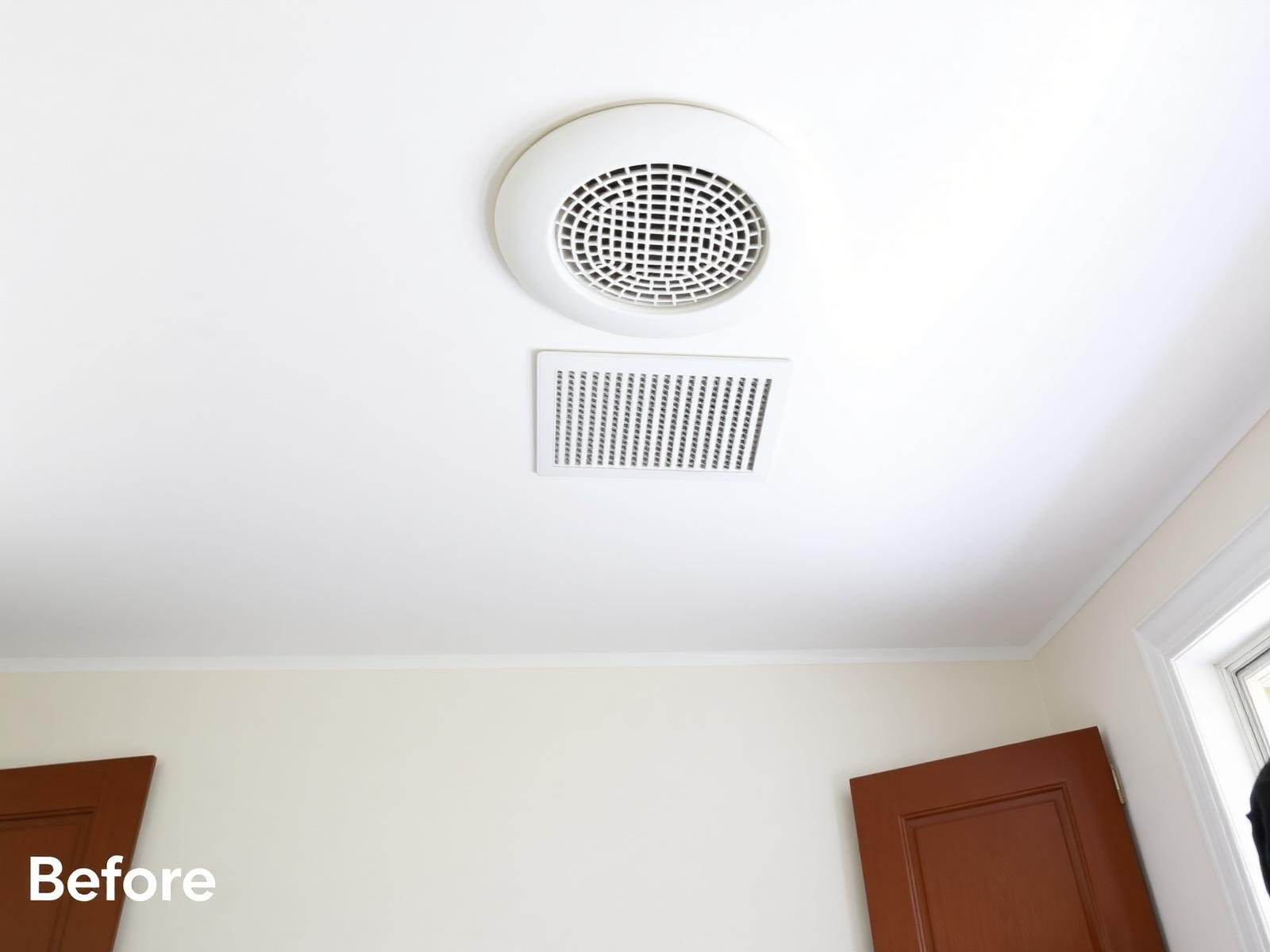
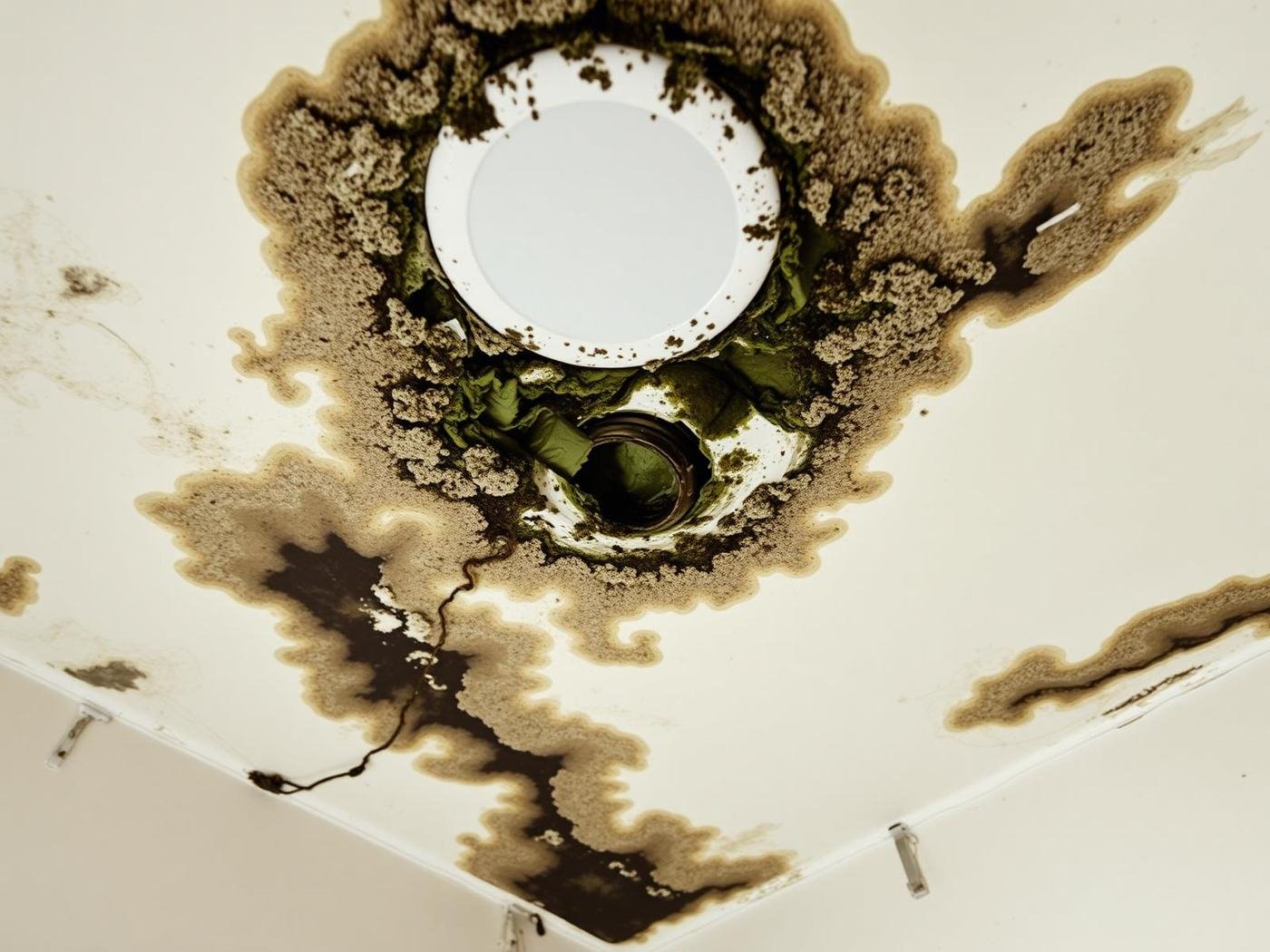
Every pair below is the same room from the same camera angle — one photo taken on arrival, the second after the work was finished — so you can see exactly what changed. Illustrative previews shown while we finalize permissioned project photography with each homeowner. Drag the slider below to reveal the restored space, or click any pair to enlarge it in its own slider.
Drag · or use ← →
Job #MR-2410-011 — Tempe, AZ — Failed bath-fan flex duct dripped condensation into the ceiling cavity for months.
Whether you need emergency black mold removal in Scottsdale, attic mold remediation in Mesa, or crawl space mold inspection in Phoenix, our licensed crews arrive with full negative air containment and HEPA filtration within 45 minutes:
Central, Biltmore, Arcadia, Ahwatukee, North Phoenix & Desert Ridge
Old Town, McCormick Ranch, Gainey Ranch, DC Ranch & North Scottsdale
Dobson Ranch, Red Mountain, Eastmark, Superstition Springs & Citrus
Ocotillo, Fulton Ranch, Sun Lakes & Downtown Chandler
Val Vista Lakes, Morrison Ranch, Power Ranch & Higley
Arrowhead Ranch, Bellair, Westgate & Historic Downtown
ASU Campus, South Tempe, Kyrene Corridor & Tempe Town Lake
Vistancia, Westbrook Village, Fletcher Heights & Sun City border
Marley Park, Sierra Montana & Sun City Grand
Estrella Mountain Ranch, Palm Valley & PebbleCreek
Verrado, Tartesso, Sundance & Festival Foothills
Coldwater Springs, Garden Lakes & Crystal Gardens
Before you call anyone, it's fair to ask who actually walks through your door. Here's the crew, the equipment they carry, and the person who stays accountable for your job. We provide full documentation of the remediation process.
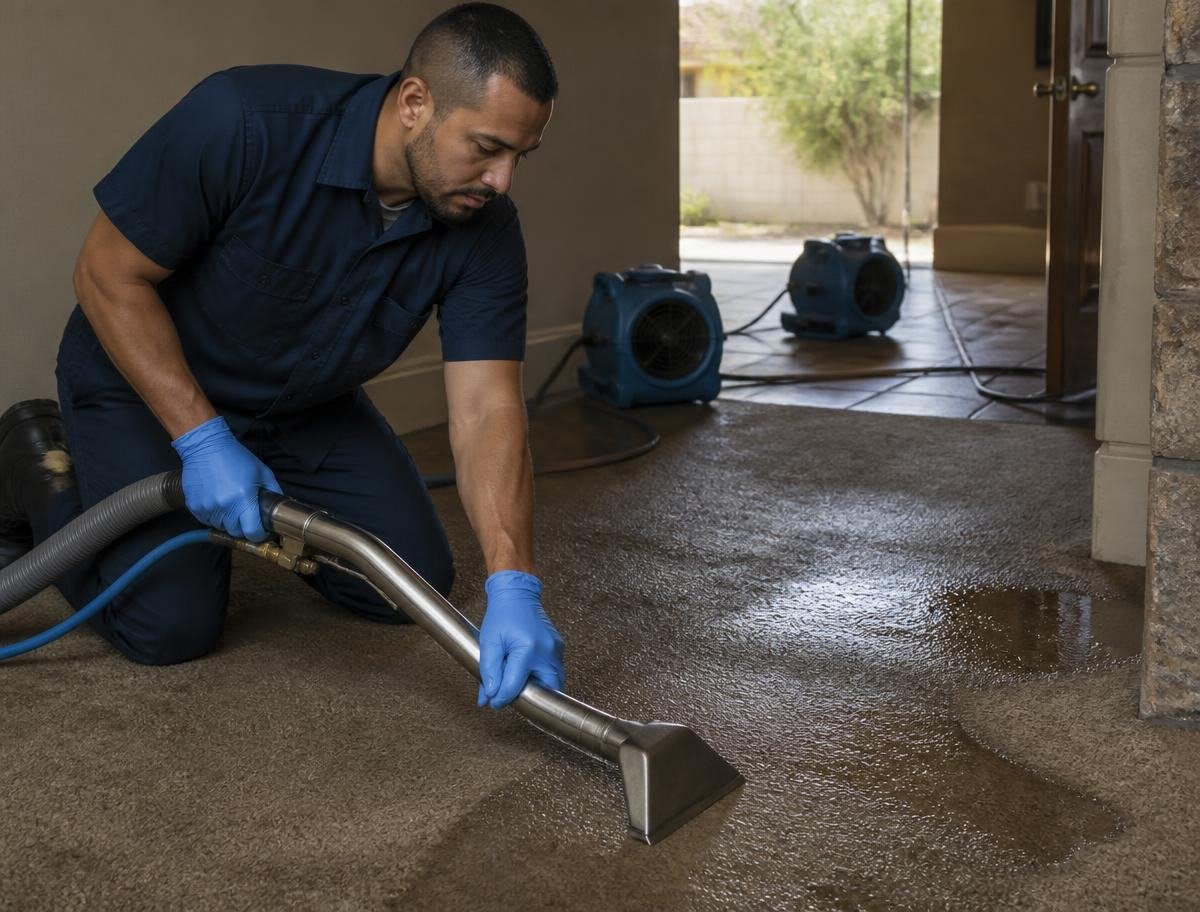
On site · Extraction in progress
The people who arrive are the people who finish the job — IICRC-trained, in uniform, with metered readings logged at every visit.
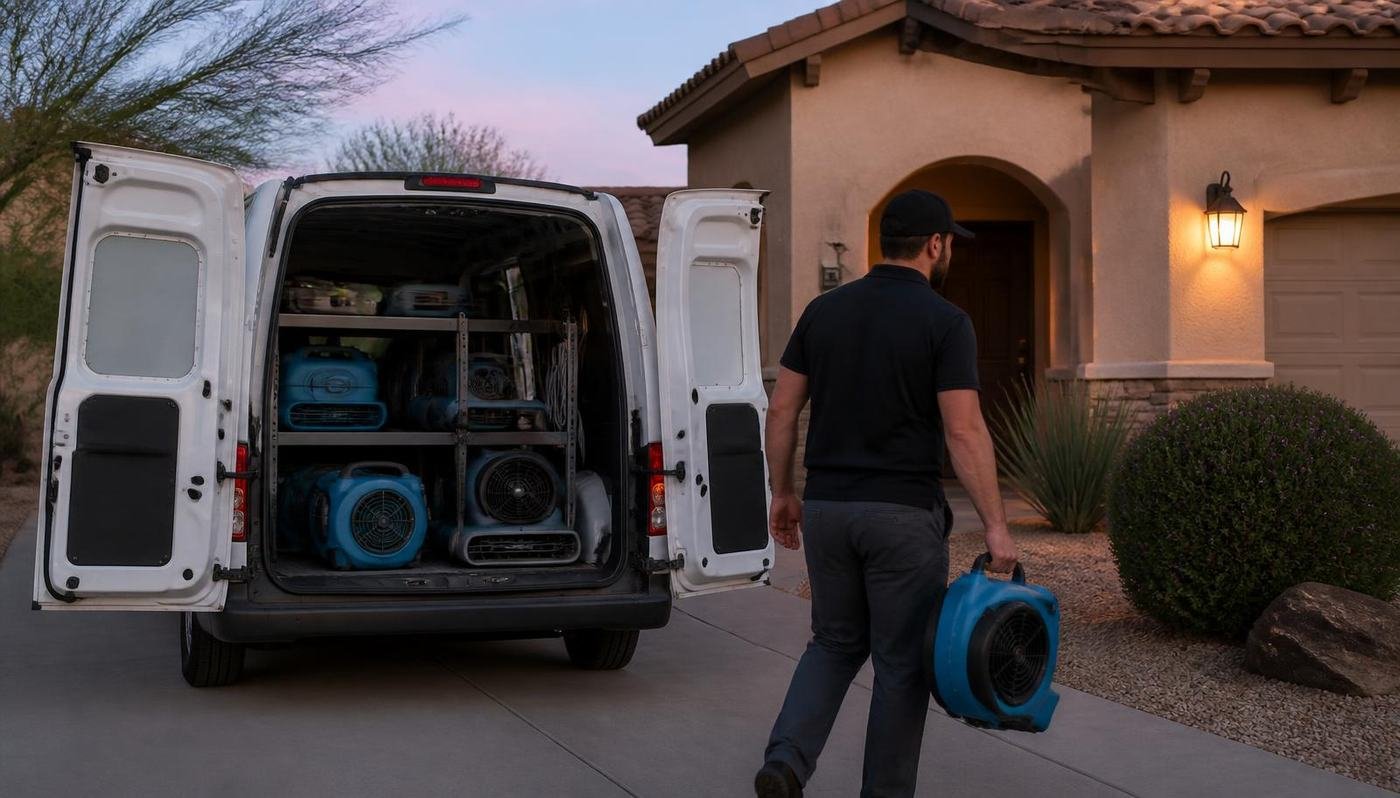
Dispatch · Stocked for same-day work
Extractors, air movers, dehumidifiers, and containment ride with every crew, so mitigation starts on the first visit instead of the second.
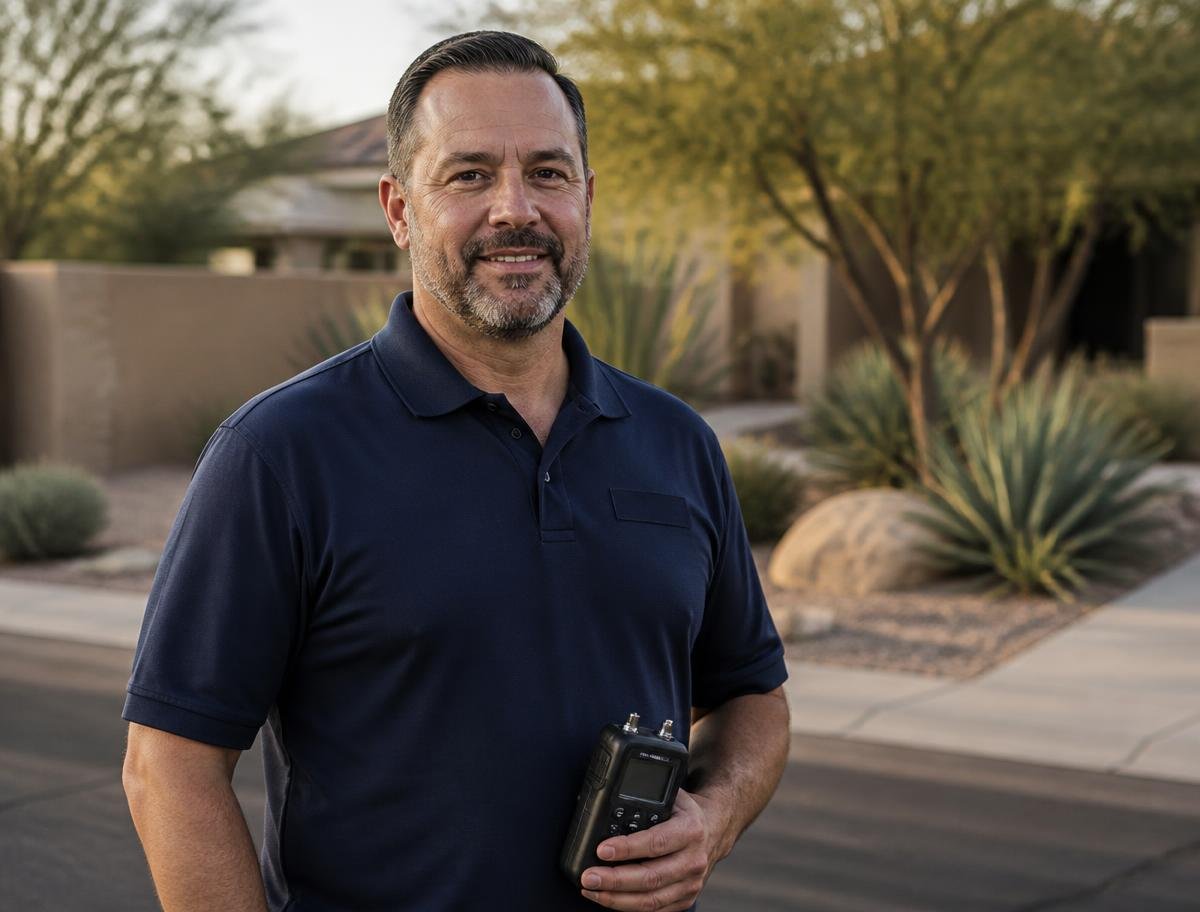
Crew lead · Single point of contact
A crew lead walks the property with you, explains the drying plan in plain language, and stays your contact through final sign-off.
Real reviews from real homeowners across Phoenix, Scottsdale, Mesa, Chandler, and Gilbert.
Need emergency water damage restoration or cleanup near you? Our certified extraction and structural drying crews stage 24/7 across Central Phoenix, the East Valley, and the West Valley for rapid ~42-minute response.
We serve 12 cities across the Phoenix metropolitan area, organized into three regions. A tappable list follows the map; selecting a city highlights its marker and re-centers the map.
Central Phoenix
East Valley
West Valley
Prefer the full directory? Jump to the city list below.
Continuous 24/7 staging across downtown Phoenix, midtown, and north metro corridors.
Dedicated East Valley extraction trucks dispatched immediately across Mesa, Tempe, and Scottsdale.
Complete coverage across rapidly expanding West Valley residential subdivisions and commercial plazas.
Also providing 24/7 response to Cave Creek, Carefree, Fountain Hills, Anthem, New River, Laveen, Tolleson, Queen Creek, San Tan Valley, Apache Junction, Paradise Valley, and Wickenburg.
Don't see your specific city or zip code listed? Call our live dispatcher at (602) 755-0251 — we cover the entire Valley.
Arizona-specific risk, removal vs. remediation, cost, DIY limits, testing, timeline — plus the commercial questions property managers and facility teams ask before approving a scope.
Emergency extraction and moisture control to stop damage from spreading.
Learn more →Pump-out, drying, and sanitation for flooded lower levels.
Learn more →IICRC-standard Category 3 cleanup and disinfection.
Learn more →Soot removal, HVAC decontamination, and reconstruction handled by one team.
Learn more →Emergency board-up, water intrusion repair, and monsoon-season rebuilds.
Learn more →Categories, drying classes, and the complete restoration process — the moisture events that turn into the mold calls we handle here, explained in detail.
Our complete guide to IICRC standards, categories, and timelines.
Read full guide →Rapid standing-water removal and structural dry-down.
See mitigation details →Certified Category 3 biohazard removal and disinfection.
See sewage process →Certified containment and source removal (IICRC S520).
See mold protocols →Specialized below-grade extraction and airflow management.
See basement services →Soot removal, deodorization, and structural repair.
See fire services →Emergency tarping and monsoon-driven intrusion repair.
See storm services →Foundation-up drying and flooring repair for sub-slab leaks.
See slab leak services →High-volume extraction and structural drying for mass water.
See flood services →Homes, condos, and rentals in Mold Remediation — end-to-end response.
See residential →Offices, retail, and industrial in Mold Remediation — minimizing downtime.
See commercial →24/7 emergency response across the Phoenix metro. Certified containment, full documentation, real results.