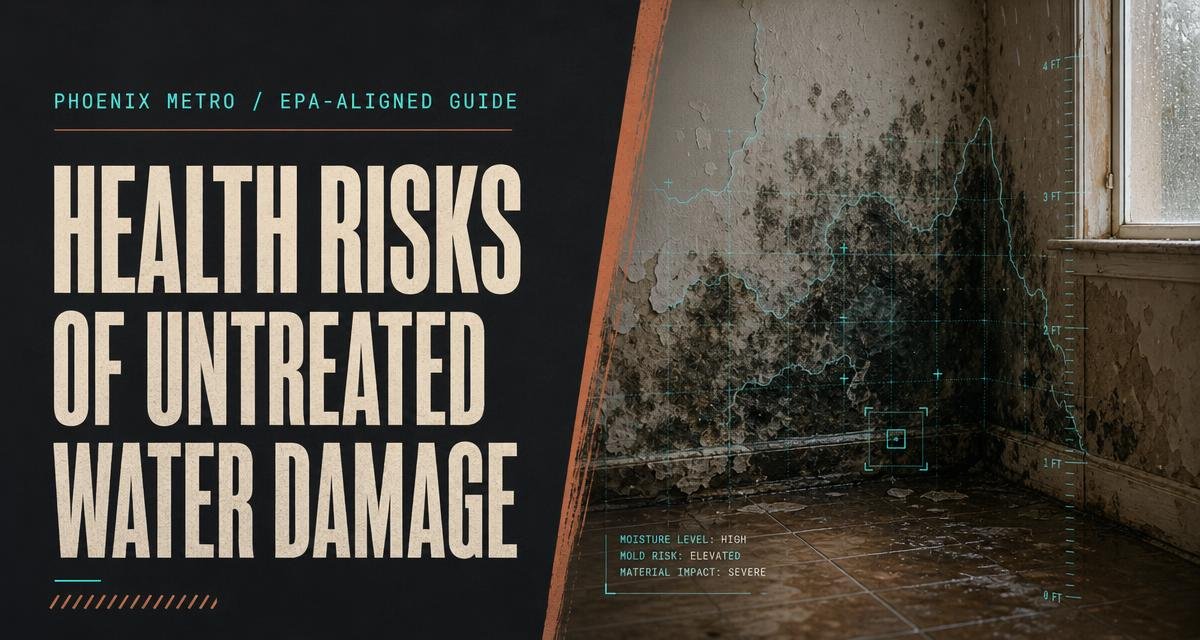
Water damage is more than a property problem; it is a health concern. From mold and bacteria to Arizona-specific pest risks, here is why untreated moisture must be addressed quickly. This guide provides EPA-aligned facts for homeowners in Phoenix and surrounding communities who are concerned about the safety of their indoor environment after a leak or flood.
Last updated:Reading time:15 minStandards:IICRC S500 Verified
Health Risks · Pathogen Safety · Arizona Environment
Table of contents▾
Untreated water damage poses three primary health risks: respiratory issues from mold growth, bacterial infections from contaminated standing water, and physical safety hazards from structural weakening or electrical shorts. In the Phoenix area, moisture also attracts venomous pests like scorpions, creating a compounded risk that requires immediate professional mitigation.
Why Water Damage Becomes a Health Issue, Not Just a Property Issue
When water enters a home, it immediately begins to alter the indoor environment. Standing or trapped moisture creates a high-humidity microclimate that is ideal for biological growth. As these organisms multiply, they release spores, volatile organic compounds (VOCs), and pathogens into the air and onto surfaces. This transition from a property problem to a health concern happens much faster than many homeowners realize.
The risk to health is not static; it compounds with time. What begins as a "clean" water spill—such as a broken supply line—can degrade into a contaminated environment within 24 to 48 hours. Addressing the source of moisture is the only way to halt these biological processes. As the moisture wicks into porous materials like drywall and insulation, it creates deep-seated reservoirs that are difficult to reach without professional drying equipment.
If you are trying to understand the stages of this process and how quickly your home can move from "wet" to "contaminated," our water damage restoration timeline outlines how risks escalate day by day. Every hour that water remains in the structure increases both the cost of the repair and the potential for health-related complications for the occupants.
Respiratory and Allergic Risks: Mold Exposure
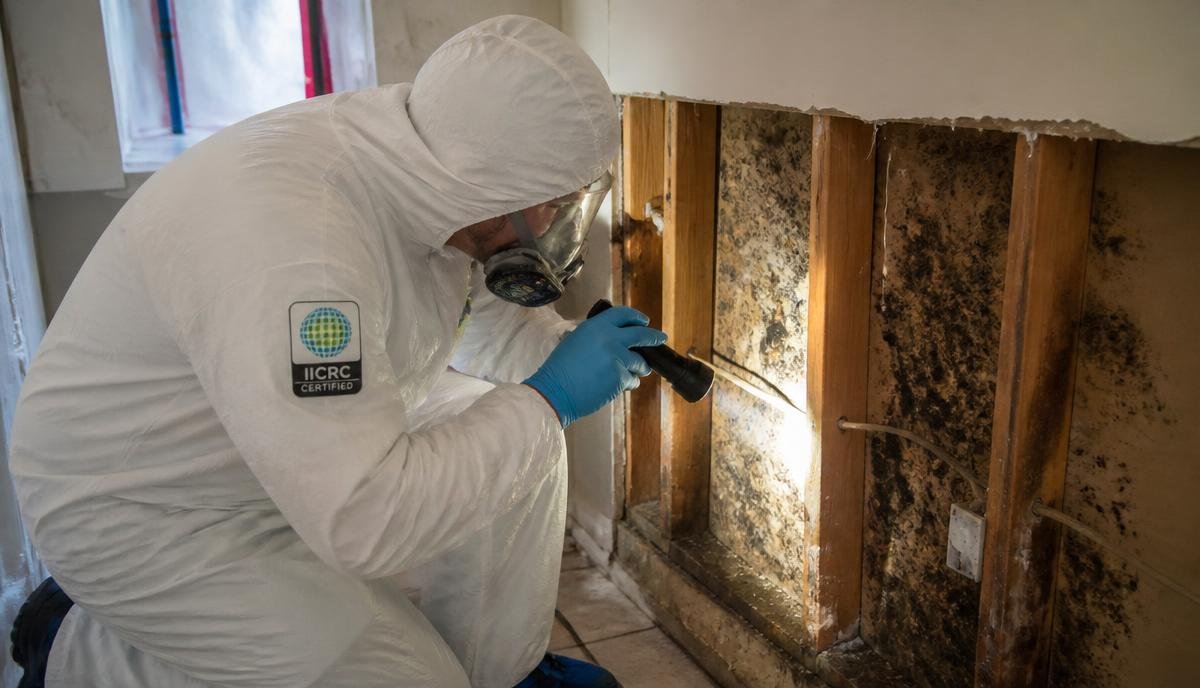
Mold is the most common health-related concern following water damage. Molds are fungi that thrive on organic materials like drywall paper, wood, and carpet fibers when moisture is present. While mold is a natural part of the environment, elevated indoor levels can lead to significant health effects for occupants. In a water-damaged environment, mold colonies can form in hidden areas—behind baseboards, under cabinets, and inside wall cavities—making detection difficult without specialized tools.
The primary concern with indoor mold growth is the release of spores and fragments into the air. When these particles are inhaled, they can trigger responses in the human respiratory system. Because moisture wicks upward and through materials, the source of the mold is often far from where the water originally entered the room.
Common Mold Symptoms
Symptoms of mold exposure typically fall into three categories. It is important to note that everyone reacts differently, and individuals with asthma or pre-existing allergies often experience more pronounced symptoms. For those with heightened sensitivity, even small amounts of indoor growth can lead to persistent discomfort.
Category
Symptoms
Respiratory
Coughing, wheezing, shortness of breath, chest tightness, and exacerbation of asthma symptoms.
Allergic / Skin
Skin rashes, itching, hives, and dermatitis in sensitive individuals.
Irritation
Itchy or watery eyes, sore throat, nasal congestion, and sneezing.
Common symptoms associated with indoor mold exposure
ContainmentVisible mold inside a wall cavity is addressed under containment with full PPE — not wiped down with household cleaner.
Is "Toxic Black Mold" Real? Separating Fact from Fear
The term "toxic black mold" is widely used in media but is technically inaccurate. According to the Environmental Protection Agency (EPA), the term is not a scientific or medical classification. While some molds (such as Stachybotrys chartarum) can produce chemicals called mycotoxins, there is no established link between inhaling these molds in a home environment and a distinct "toxic" health syndrome or systemic poisoning.
Correcting this myth doesn't mean mold isn't a concern — it means the risk is real but should be understood accurately. The documented health effects are primarily allergic and irritant-type reactions. Framing the risk accurately helps homeowners make informed decisions based on science rather than sensationalism. For more on how these categories are professionally assessed, see our guide on water damage categories.
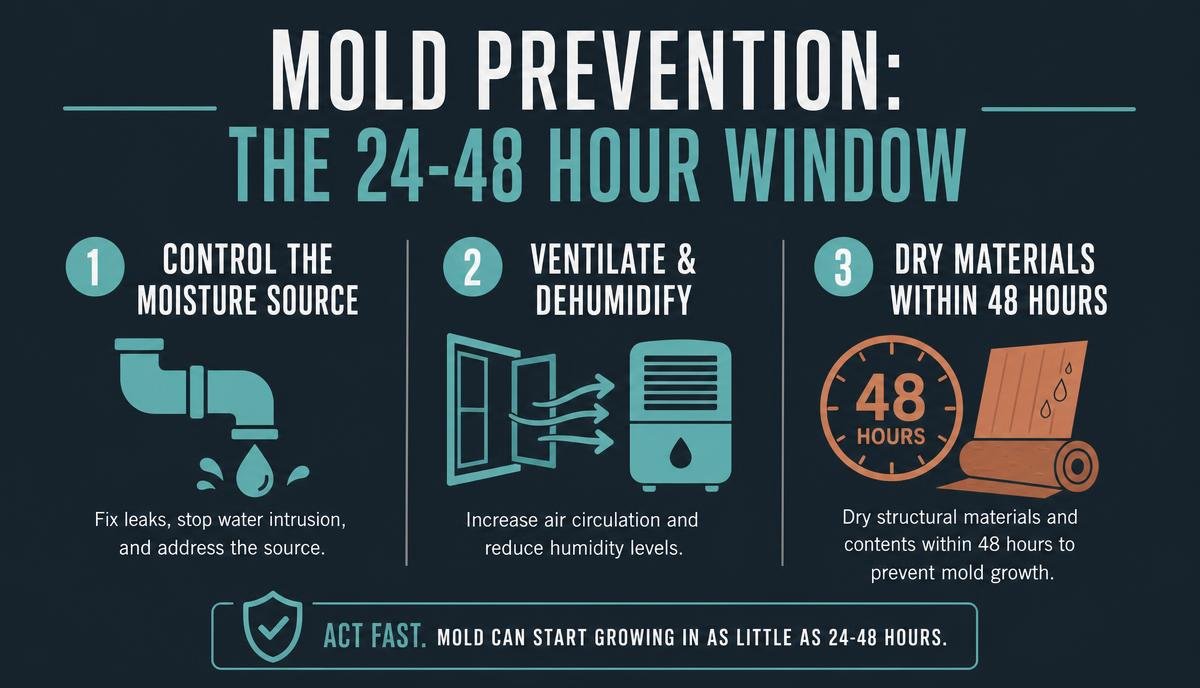
EPA guidanceEPA-aligned prevention: stop the source, ventilate and dehumidify, and dry materials within 24–48 hours.
How Fast Mold Risk Develops
The window for prevention is remarkably narrow. The EPA advises that building materials and furnishings should be dried within 24 to 48 hours to prevent mold growth. After this window, the probability of fungal colonization increases sharply, often moving a project from simple drying into a more expensive mold remediation scope.
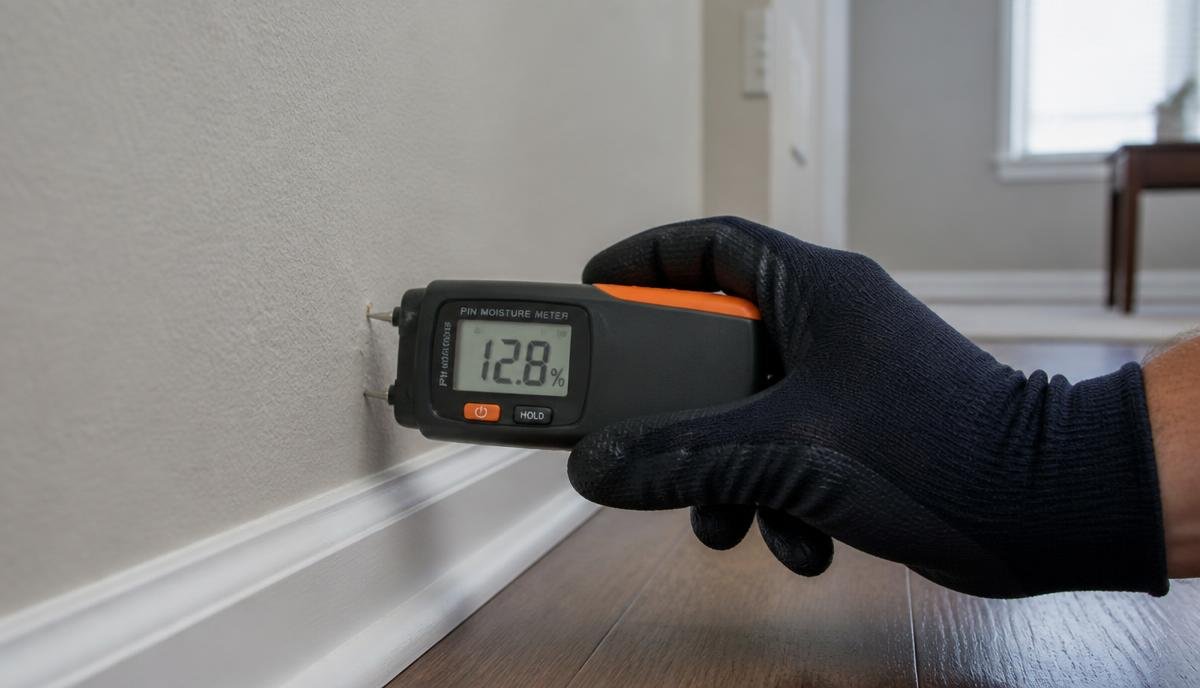
Moisture mappingA wall can feel dry to the hand and still read well above dry standard — meters find the moisture that feeds mold.
Bacterial and Pathogen Risks in Contaminated Water
While mold gets the most attention, the bacterial risks in standing water are often more acute and immediate. Standing water loses the safeguards that keep it safe (such as movement and residual disinfectants like chlorine), creating a "petri dish" effect. Within hours, the bacteria naturally present in the environment begin to multiply exponentially in the stagnant water.
Pathogen risks are directly tied to the water's category. Category 3 (Black Water), such as sewage backflow or ground-source flooding, is grossly contaminated and poses a significant health threat. It can carry a wide range of pathogens, including E. coli, Salmonella, Hepatitis A, and various parasites. These pathogens can enter the body through ingestion, inhalation of droplets, or contact with open skin.
Even Category 2 (Gray Water) from dishwashers or washing machines contains enough organic matter (food particles, skin cells, soaps) to support rapid bacterial growth. Stagnant water systems are also associated with Legionella, the bacteria responsible for Legionnaires' disease. If water is left to sit in a home's HVAC system or plumbing lines after a leak, the risk of aerosolizing these bacteria increases.
Because of these risks, we treat all contaminated water events with strict containment protocols and high-level disinfection. Understanding how your water is classified is a critical first step in assessing health risk. Tie this clearly to water category—link naturally to our guide on water damage categories here. Our sewage cleanup and biohazard service follows IICRC S500 standards to ensure these pathogens are neutralized safely and the home is restored to a sanitary state. We provide full documentation of all disinfection steps.
Structural and Safety Hazards
Health risks aren't always biological; they can be physical. Water damage compromises the fundamental safety systems of your home, creating environments where accidents are much more likely to occur. When materials are saturated, they lose their structural integrity and can become heavy, leading to unforeseen failures.
Wood Rot and Structural Weakening
Prolonged moisture leads to wood rot, which weakens load-bearing components like floor joists, wall studs, and subflooring. Because wood is porous, it absorbs water and expands, which can pull apart fasteners and joints. Over time, fungal decay (rot) begins to break down the cellulose in the wood fibers.
In extreme cases, this can lead to sagging floors, crumbling drywall, and partial structural failure. A ceiling that has absorbed water from a leak above can become incredibly heavy, posing a serious collapse risk to anyone below. This creates a physical trip and collapse hazard for occupants that requires immediate assessment.
Electrical Hazards
Water and electricity are a deadly combination. Moisture contacting wiring, outlets, or circuit panels can cause short circuits, electrical fires, or severe shocks. Even if a wall looks dry, water could be running down the electrical conduit inside the wall cavity.
Never enter a flooded area or touch electrical components until the power has been safely disconnected. If the breaker box is in an affected area, or if you see water dripping near outlets, contact your utility company or a licensed contractor like Winter Haven Electrician to handle the shutdown safely. Do not attempt to reset breakers that have tripped due to moisture.
Corrosion of Metal Components and Plumbing
Persistent high humidity inside wall cavities corrodes metal fasteners, HVAC components, and plumbing brackets. This corrosion weakens the supports that hold heavy pipes and equipment in place. Over time, this degradation can lead to secondary leaks or the sudden failure of equipment, further compounding the safety risks in the home. Hidden corrosion is one of the main reasons why "dried" homes can suffer new leaks in the months following an initial event.
Who's Most at Risk?
While everyone should avoid exposure to water damage, certain populations are more likely to experience noticeable health effects. These groups include children, elderly individuals, pregnant individuals, and people with pre-existing conditions such as asthma, allergies, or compromised immune systems.
For these vulnerable individuals, even a minor mold problem or a small amount of contamination can trigger significant symptoms. If a member of your household falls into one of these groups, we recommend elevated caution and potentially temporary relocation during the mitigation process.
A Phoenix-Specific Risk Most Homeowners Don't Expect: Pests
In the Arizona desert, moisture is a rare and precious resource for wildlife. When your home suffers water damage, it creates a "moisture beacon" for local pests that are constantly searching for water. This is a genuine health and safety risk that many Phoenix homeowners overlook, assuming that water damage is only about mold or wood rot.
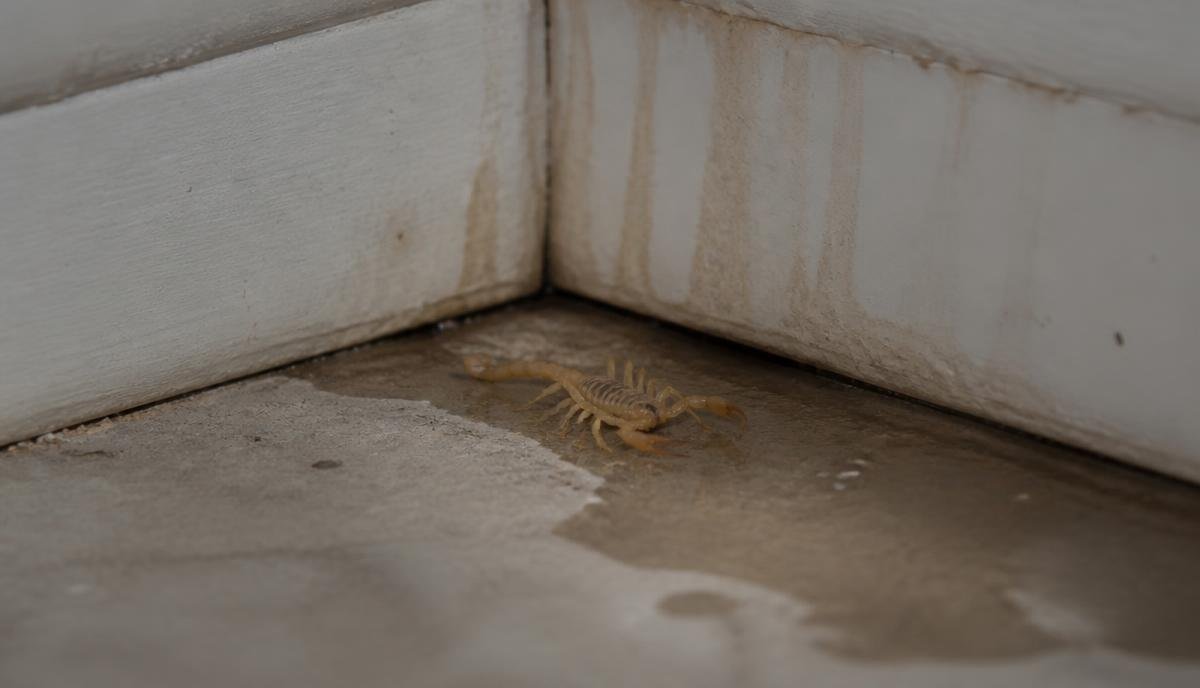
Specifically, moisture attracts the Arizona bark scorpion—the most venomous scorpion in North America. These pests are drawn to damp environments, especially in the weeks following monsoon storms when the surrounding desert dries out but residential moisture remains high. scorpions are nocturnal and often seek out the cool, damp crevices created by water-damaged walls or baseboards.
Similarly, subterranean termites rely on moisture to survive and will quickly target water-damaged framing or flooring. In Arizona, these termites are incredibly active and can cause significant structural damage in a short period if they find a reliable water source within your home. The presence of moisture makes the wood much easier for termites to consume, accelerating their activity.
Addressing water damage in Phoenix is not just about mold; it is about securing your home against these local hazards. By removing the moisture, you remove the primary attractant for these pests. Our technicians are deeply familiar with these patterns across our Phoenix service area, where we frequently see pest activity spike in homes with unresolved leaks.
Arizona factorBark scorpions and subterranean termites follow moisture — untreated water damage turns a desert home into a water source.
Is It Safe to Stay in a House With Water Damage?
Safety is situational and depends on a variety of factors, including the extent of the damage, the category of water involved, and the health of the occupants. A small Category 1 spill in a laundry room that is being actively dried and isolated is generally safe for most people. However, as the damage scale increases, so do the risks.
If you are dealing with standing water, any Category 2 or 3 event, or if visible mold has already appeared, the risk level rises sharply. In these cases, the air quality can deteriorate rapidly, and the potential for bacterial exposure becomes a serious concern. Additionally, the noise and heat from industrial drying equipment—which must run 24/7—can make staying in the home uncomfortable and disrupt sleep, which can further impact health.
We provide honest, calibrated guidance on whether you should consider relocating based on the scale of your project and the needs of your family. You can find a more detailed breakdown of these considerations, including specific advice for different rooms of the house, in the "can I stay in my home" section of our restoration timeline guide.
When to Call a Professional
The line between a DIY cleanup and a professional requirement is usually defined by the category of water and the volume. If the water came from a contaminated source (sewage, floodwater, appliance discharge) or if it has sat for more than 24 hours, professional mitigation is the safest choice for your health.
A responsible note on trust: we always recommend that mold testing and mold remediation be handled by separate, independent parties. An independent inspector should perform the testing, while a different company (like ours) handles the remediation. This avoids a conflict of interest and ensures you receive an unbiased assessment of the work required.
Key Takeaways
Dry fast: The 24-48 hour window is critical to prevent mold growth.
Category matters: Contaminated water carries serious bacterial risks.
Accuracy over alarm: The EPA does not recognize "toxic black mold" as a scientific term, but all mold should be taken seriously as a respiratory irritant.
Local hazards: In Arizona, water damage attracts scorpions and termites.
Safety first: Never enter a flooded area until the power is confirmed off.
Related Technical Guides
Educational resources for Phoenix & Arizona property owners
Our rapid response units maintain staged equipment yards across Central Phoenix, the East Valley, the West Valley, Pinal County, and Greater Tucson for an average ~42-minute on-site arrival:
Yes, water damage can lead to health issues by creating environments where mold and bacteria thrive. Exposure to mold can cause respiratory irritation and allergic reactions, while contaminated water (Category 2 or 3) can carry pathogens like E. coli or Legionella. Prompt drying is essential to minimize these risks.
What are the symptoms of mold exposure?
Symptoms of mold exposure typically include respiratory issues like coughing, wheezing, and shortness of breath, as well as allergic reactions such as skin rashes, itchy eyes, and nasal congestion. Individuals with asthma or pre-existing allergies are often more sensitive to these effects.
Is 'toxic black mold' real?
The term 'toxic black mold' is technically inaccurate according to the EPA. While certain molds like Stachybotrys chartarum can produce mycotoxins, there is no established link between inhaling these molds and a distinct 'toxic' syndrome. The primary health risks are allergic and irritant-type reactions, which should still be taken seriously.
Is it safe to stay in a house with water damage?
It depends on the extent of the damage and the water category. Small Category 1 leaks are generally low risk if addressed fast. However, standing water, Category 2 or 3 contamination, visible mold, or the presence of vulnerable individuals (children, elderly, or those with asthma) are reasons to consider temporary relocation.
Who is most at risk from water damage-related health issues?
Vulnerable populations include children, the elderly, pregnant individuals, and people with compromised immune systems or pre-existing respiratory conditions like asthma and allergies. These groups are more likely to experience symptoms even at lower exposure levels.
Does water damage attract scorpions or termites in Arizona?
Yes. In the Arizona desert, moisture is a scarce resource. Water damage creates damp conditions that attract pests like the Arizona bark scorpion and subterranean termites. This activity often spikes in the weeks following monsoon storms as pests seek out moisture-rich environments.
About the author
AZ Water Damage Restoration Team
IICRC-certified restoration technicians · Phoenix metro
Written and fact-checked by the licensed crew that runs the trucks — the same technicians who take moisture readings, set drying chambers to the IICRC S500 standard, and answer the phone at 2 a.m. across the Phoenix metro.
Licensed Arizona contractor — AZ ROC #331127 (KB-2)