Living in the Sonoran Desert requires a specialized home maintenance playbook. From 115°F+ summer heat baking roof underlayment and straining AC air handlers, to violent monsoon microbursts and overnight winter freezes, this comprehensive seasonal checklist protects your Arizona home year-round.
Last updated:Reading time:16 minStandards:IICRC S500 Verified
Year-Round Desert Fortification: Attic HVAC condensate inspections, pre-monsoon roof audits, hard water mitigation, and winter freeze protection.
Table of contents▾
Home maintenance in Arizona follows four distinct desert seasons rather than traditional four-season calendars: Spring pre-summer fortification (March–May), Summer monsoon defense and HVAC triage (June–September), Fall post-storm recovery and water heater flushing (October–November), and Winter freeze protection (December–February). Because desert heat bakes asphalt roof underlayment, hyper-mineralized water corrodes plumbing lines, and monsoon microbursts drop 2 inches of rain in under an hour, executing seasonal inspections prevents catastrophic ceiling collapses, burst pipes, and costly mold remediation.
Homeowners who relocate to Phoenix, Scottsdale, Mesa, or Tucson from the Midwest or East Coast quickly discover that traditional home maintenance advice does not apply in the desert. You do not need to clean snow off your roof or winterize a crawl space boiler. Instead, you face an unforgiving desert environment characterized by:
Triple-Digit Heat & UV Degradation: 115°F ambient temperatures drive attic spaces to over 160°F, baking rubber washers, plastic fittings, and roof underlayment into brittle dust.
Aggressive Hard Water Chemistry: Mineral concentrations of 250 to 350+ PPM of dissolved calcium, magnesium, and chlorides that destroy water heaters and clog appliance valves.
Monsoon Microbursts & Haboob Dust: 60 mph wind gusts, blinding dust storms, and flash downpours that overwhelm roof drainage and test foundation grading.
This comprehensive engineering checklist walks you through the essential maintenance tasks required for each of Arizona’s four seasons, ensuring your home remains protected, energy-efficient, and leak-free.
The Master Arizona Seasonal Home Maintenance Matrix
Use this interactive reference table to organize your property maintenance throughout the calendar year:
Season & Window
Primary Desert Focus
High-Priority Checklist Items
Disaster Prevented
Spring (March – May) Pre-Summer Fortification
HVAC servicing; plumbing pressure audit; roof valley silt clearing.
Flush AC condensate lines with vinegar; test safety float switch; test static PSI (<75 PSI); clear roof silt dams; trim tree branches 10 ft away.
Attic AC overflows, burst supply hoses, monsoon roof leaks.
Summer (June – Sept) Monsoon Storm Defense
Active storm vigilance; indoor humidity control; post-storm inspections.
Clear scuppers after haboobs; monitor indoor RH (keep 30–50%); check ceilings for yellow water rings; test sump pumps and battery backups.
Seasonal water pressure testing: Desert municipal water pressure fluctuates drastically during seasonal peak pumping; test twice annually to verify your PRV maintains safe pressure under 70 PSI.
Spring (March – May): Pre-Summer Fortification
Spring in Arizona is glorious, but it is also your last window to perform outdoor maintenance before punishing triple-digit heat arrives. Focus on preparing cooling systems, testing plumbing, and auditing roof defenses:
1. Comprehensive HVAC & Condensate Line Servicing
Your air conditioning system is your home’s lifeline. In Phoenix, cooling systems run up to 18 hours a day from June through September. Schedule a professional HVAC tune-up in April to inspect electrical capacitors, test refrigerant pressures, and clean the outdoor condensing coils of desert dust.
Flush the Primary Condensate Line: Pour 1 cup of distilled white vinegar down the condensate cleanout T-pipe on your air handler to dissolve algae and bacterial slime.
Inspect the Secondary Drain Pan: Ensure the emergency pan beneath the attic air handler is bone-dry, rust-free, and pitched toward its auxiliary drain line.
Test the Magnetic Float Switch: Gently lift the float switch inside the pan to verify that it immediately cuts power to the thermostat. A functioning float switch prevents thousands of dollars in ceiling collapse damage. Learn more in our attic mold and HVAC condensation guide.
2. Municipal Water Pressure & PRV Testing
Before summer irrigation and air conditioning peaks, municipal water utilities ramp up main line pressures to 90–130+ PSI. High water pressure is the #1 silent killer of appliances and plumbing.
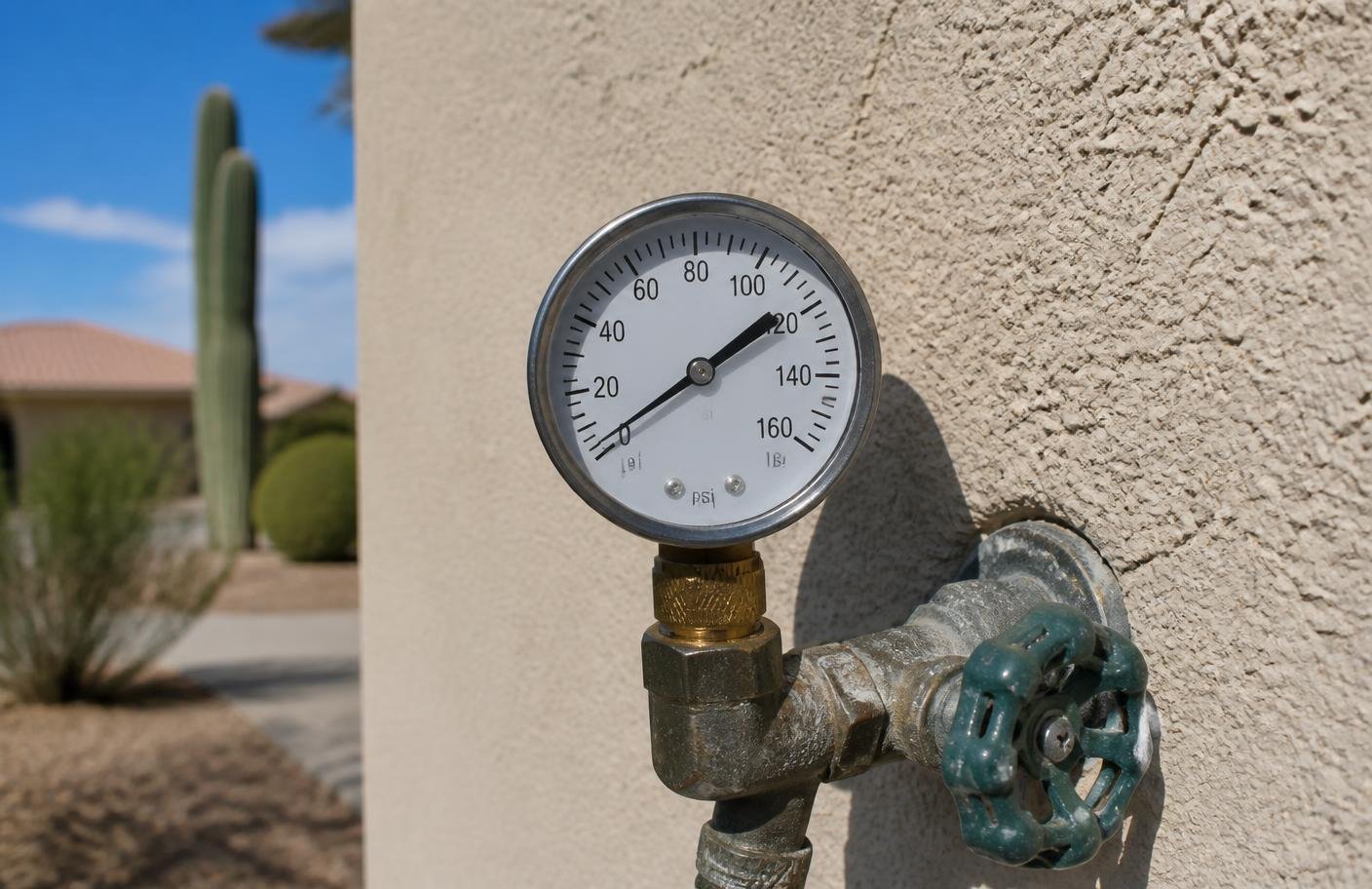
Screw a 0–160 PSI pressure gauge onto an outdoor garden spigot. With all household taps off, open the spigot valve. If static pressure exceeds 75 PSI, your Pressure Reducing Valve (PRV) has failed and must be adjusted or replaced immediately. Review complete testing protocols in our guide to preventing burst pipes in Arizona.
3. Clear Tile Valleys & Scuppers of Silt Dams
Desert spring winds blow fine dust and tree pods into sheet metal roof valleys, creating thick “silt dams.” When sudden monsoon downpours arrive, rainwater backs up behind the silt, flows over valley metal edges, and dumps directly onto underlayment. Inspect valleys from ground level with binoculars or hire a roofer to clear channels. For a full seasonal roofing breakdown, consult our seasonal roof leak prevention checklist.
From late June through September, the North American Monsoon brings extreme weather: 115°F+ daytime heat, severe dust haboobs, and violent microbursts that drop inches of rain in minutes:
1. Aggressive Tree Canopy Trimming
Desert trees like Palo Verde, Mesquite, and Ironwood grow rapidly during spring but have brittle wood that snaps under 50+ mph monsoon winds. Trim all branches back at least 8 to 10 feet from the roofline. Branches rubbing against tiles will shatter concrete and tear underlayment, while falling limbs can crush roof trusses.
2. Indoor Humidity & Mold Vigilance
While Arizona is dry most of the year, monsoon moisture surges can push outdoor dew points into the 60s and 70s, causing indoor relative humidity (RH) to spike. Keep an inexpensive digital hygrometer in your home.
Maintain indoor humidity strictly between 30% and 50%. If indoor humidity exceeds 60%, mold spores can germinate on drywall, carpet backing, and baseboards in as little as 24 to 48 hours. Learn how to safeguard your home in our mold prevention and humidity guide.
3. Clear Flat Roof Scuppers After Every Dust Storm
If your home has a flat foam or parapet roof (common in Scottsdale, Paradise Valley, and contemporary designs), haboobs blow massive amounts of dirt against parapet walls. After every major dust storm, check scuppers and downspout leaf-guards to ensure drainage channels remain unobstructed.
Fall (October – November): Post-Monsoon Recovery & Winter Prep
Once summer storms subside in late September, your property has just survived its most brutal environmental test. Fall is the golden season to repair storm damage and prepare for winter:
1. Water Heater Sediment Flushing & Anode Check
Arizona’s 300+ PPM hard water precipitates heavy calcium scale inside tank water heaters during the summer months. This mineral layer insulates the tank bottom from the burner, causing severe metal overheating, cracking, and premature failure.
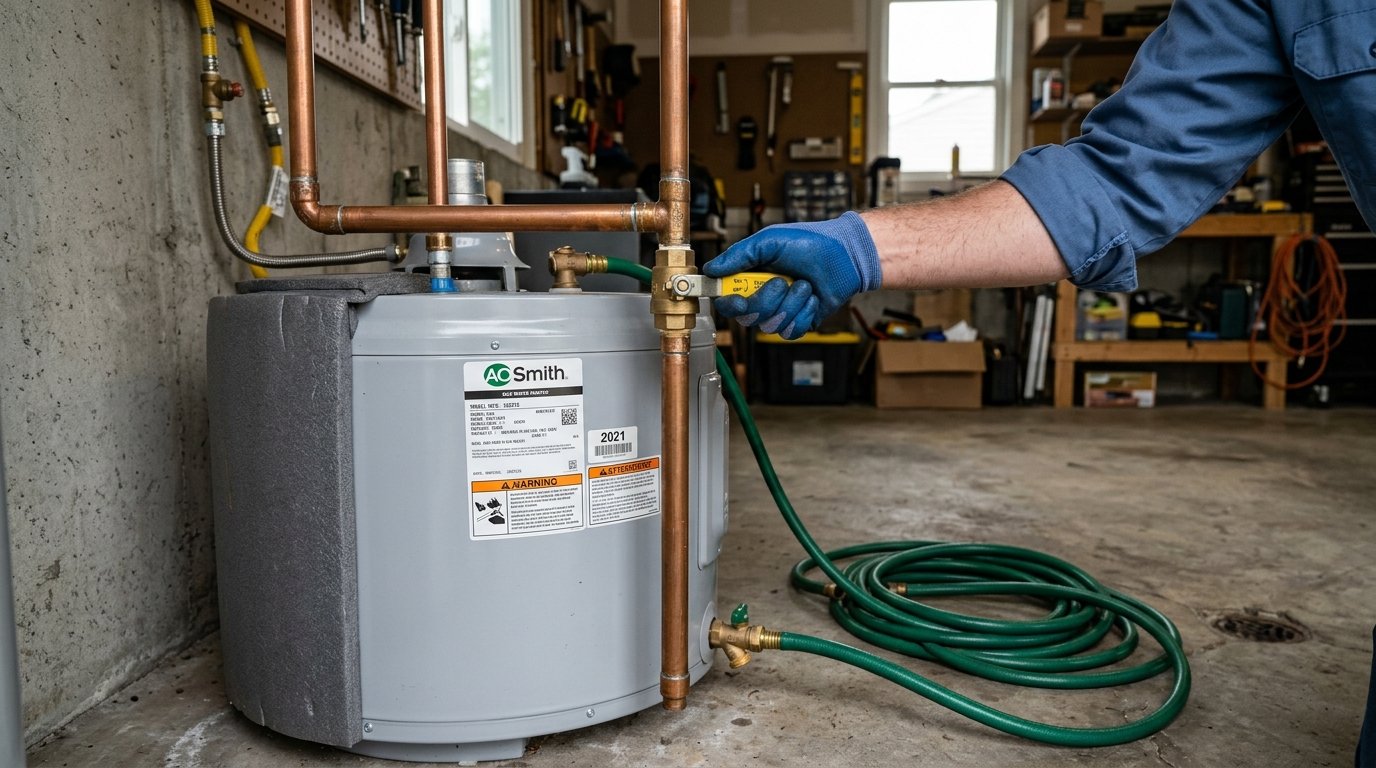
Connect a garden hose to the bottom drain valve and flush the tank until the discharge runs clear of white calcium sediment.
Lift the test lever on the Temperature & Pressure (T&P) relief valve to verify that water discharges freely and the valve reseats tightly without dripping.
Seasonal water heater service: Annual flushing of calcified hard water sediment and verifying the cold-water inlet shutoff valve prevents bottom tank ruptures and sudden catastrophic indoor floods.
2. Inspect for “Chattered” & Slipped Roof Tiles
Monsoon winds cause concrete tiles along ridge and hip lines to vibrate and bounce against one another (tile chatter), breaking off alignment lugs and causing tiles to slide downward. Even a single displaced tile exposes the delicate asphalt felt underlayment beneath to direct UV radiation. In Arizona, raw felt bakes and disintegrates in 30 to 60 days. Have a licensed roofer reset slipped tiles before winter rains.
3. Touch Up Exterior Caulking & Weatherstripping
Desert UV radiation destroys polyurethane and silicone caulking around window frames, sliding glass doors, and stucco control joints. Inspect caulked seams; scrape away dried, split mastic and re-caulk with commercial-grade elastomeric sealant to prevent winter wind-driven rain penetration.
Desert winters are famously mild during the day, but clear desert skies produce rapid radiational cooling after sunset. Between late December and early February, temperatures regularly plunge into the 20s:
Unlike cold-climate homes where plumbing is buried below the frost line, Arizona building practices place main water risers and landscape irrigation backflow preventers (Pressure Vacuum Breakers or RPZ assemblies) above ground on exterior stucco walls without thermal insulation.
Wrap all exposed copper pipes with fiberglass or closed-cell foam insulation tape.
Encase the entire brass valve assembly in a heavy-duty, weatherproof, insulated “freeze pouch” secured with Velcro or zip ties.
Disconnect all garden hoses from exterior spigots and install insulated foam hose bibb covers. Leaving a hose attached traps water inside the spigot body, fracturing the brass bibb inside your wall cavity.
2. Monitor Persistent Winter Soaking Rains
Unlike fast-moving 30-minute monsoons, winter Pacific storm systems bring continuous, soaking drizzle that lasts 12 to 36 hours. Continuous moisture completely saturates concrete tile bodies. If your underlying felt has hairline age cracks, slow seeps will develop. Walk your home during soaking storms and check ceilings for new discoloration. Learn how to date stains in our guide to new vs. old ceiling water stains.
3. Inspect for Termite Tubes & Foundation Moisture
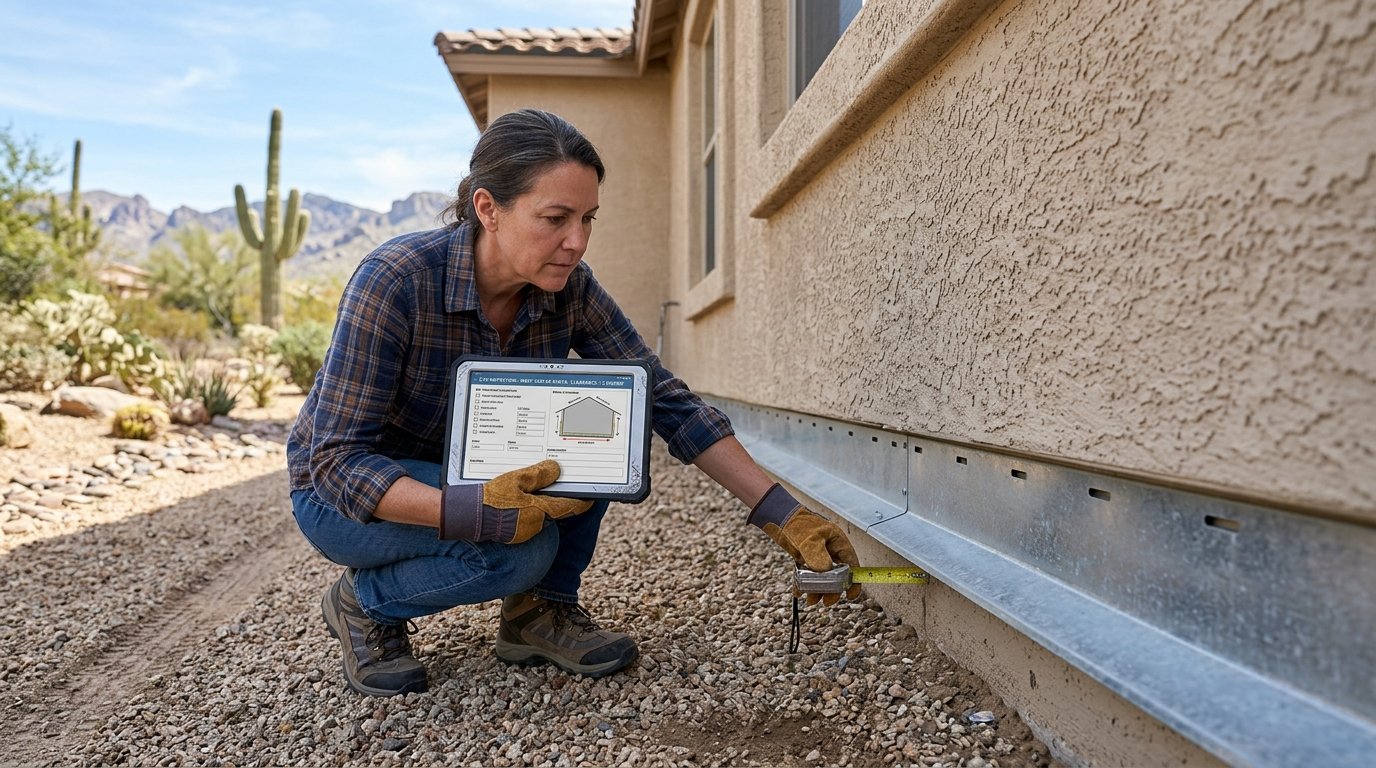
Subterranean desert termites become highly active following winter rains. Inspect your concrete foundation stem wall for pencil-thin mud shelter tubes. Ensure soil does not touch exterior stucco, maintaining a 4- to 6-inch inspection clearance around the perimeter slab.
Emergency Protocol: What to Do If Disaster Strikes
Even with diligent seasonal maintenance, extreme storms or unexpected equipment failures can cause sudden water intrusion. If you discover active flooding, execute this immediate response plan:
Shut Off the Water Source: If an appliance, water heater, or pipe is leaking, turn off the local fixture valve or run directly to your home’s main water shutoff riser. Review our step-by-step emergency water main shutoff guide.
Relieve Hydraulic Pressure on Sagging Ceilings: If storm water is pooling on ceiling drywall and forming a water blister, puncture the center of the bulge with a screwdriver or nail to direct water safely into a bucket, preventing a catastrophic drywall collapse.
Isolate Electrical Circuits: Switch off circuit breakers for flooded rooms before entering areas with standing water.
Dispatch 24/7 IICRC-Certified Mitigation: Contact our emergency dispatch at (602) 755-0251. Our certified crews arrive within 45 minutes across the Phoenix metro area with truck-mounted vacuum units, cavity drying systems, and commercial LGR dehumidifiers.
Document Everything for Insurance: Take clear, timestamped photos and video of all damage before moving saturated items to protect your claim. Learn more in our first 24 hours after water damage protocol.
Key Takeaways
Desert Rules Differ: Standard national checklists ignore Arizona’s 160°F attic heat, intense monsoons, and caliche soil flash floods. Follow desert-specific seasonal schedules.
Spring Pre-Fortification is Vital: Flush AC condensate lines with vinegar, test your PRV to ensure water pressure is under 75 PSI, and clear roof valleys before summer monsoons.
Enforce the 5-Year Hose Rule: Replace all rubber washing machine and plastic appliance lines with braided stainless steel lines every 5 years.
Protect Against Winter Frosts: Insulate outdoor backflow preventers (PVBs/RPZs) and disconnect all garden hoses by mid-November to prevent wall pipe bursts.
Act Fast on Moisture: When water breaches your home, mold colonizes within 24 to 48 hours. Professional extraction and industrial structural drying are non-negotiable.
Why can't Arizona homeowners use standard national home maintenance checklists?
Standard national checklists are designed for four-season temperate climates with heavy snow, freezing basements, and humid spring rains. In Arizona's Sonoran Desert, homes face radically different environmental stresses: 115°F+ summer ambient heat (driving attics to 160°F+), violent summer monsoons with 60 mph microbursts and silt haboobs, extreme municipal water pressure surges, aggressive hard water (250–350+ PPM), and overnight winter desert cold snaps that freeze exposed exterior backflow assemblies.
What are the most critical maintenance tasks before summer monsoon season?
Prior to July 1st, every Arizona homeowner should: (1) Clear roof valleys, scuppers, and parapet drains of compacted silt dams and desert foliage; (2) Flush HVAC condensate drain lines with white vinegar and test the secondary pan float switch; (3) Trim tree canopies (especially mesquite, palo verde, and eucalyptus) at least 10 feet back from rooflines; (4) Test residential water pressure at an exterior spigot to verify it remains under 75 PSI; and (5) Inspect window and door weatherstripping to block haboob dust infiltration.
How often should an attic HVAC condensate drain line be cleaned in Phoenix?
During the peak summer cooling months (May through September), pour one cup of distilled white vinegar down the primary condensate T-pipe once every 30 days. In Arizona, air handlers extract 10 to 15 gallons of moisture daily while operating in 140°F+ attics, creating an ideal breeding ground for thick bacterial algae sludge that clogs drain lines and causes catastrophic ceiling collapse.
At what temperature should I winterize outdoor plumbing and backflow preventers in the desert?
Winterize exterior plumbing by mid-November, well before overnight temperatures drop below 32°F (0°C). Between late December and early February, cloudless desert skies trigger intense radiational cooling, pushing temperatures into the mid-20s for multiple consecutive hours. Exposed brass backflow preventers (PVBs/RPZs) and outdoor hose bibbs will freeze and fracture if not protected with heavy-duty insulated freeze pouches and foam covers.
How does Arizona's hard water impact home maintenance schedules?
Municipal water across Maricopa County contains 250 to 350+ PPM of dissolved minerals. This aggressive chemistry rapidly scales water heaters, reduces appliance lifespan by up to 50%, and causes pitting corrosion in copper lines. Homeowners must flush water heaters annually, inspect water softener brine tanks monthly, and replace flexible appliance supply hoses every 3 to 5 years.
Why do concrete tile roofs leak during monsoons if the tiles are completely intact?
Concrete tiles are merely a protective sun shield—they are not waterproof. The true waterproofing is the organic 30# asphalt felt or synthetic SBS underlayment installed directly over the plywood roof decking. In the desert, 160°F attic heat bakes the volatile oils out of asphalt felt within 12 to 18 years, turning it brittle and crumbly. When wind-driven monsoon rains blow beneath the tile overlaps, water penetrates the dried-out felt immediately.
How do I check my home's water pressure, and what should the reading be?
Screw an inexpensive 0–160 PSI pressure test gauge onto an exterior hose bibb or laundry spigot. Ensure all indoor fixtures are off, then turn the bibb fully on. Safe residential pressure is strictly between 50 and 70 PSI. If your gauge reads above 75–80 PSI, your Pressure Reducing Valve (PRV) has failed and must be adjusted or replaced immediately to prevent blown appliance hoses.
Does routine seasonal maintenance impact homeowners insurance coverage?
Yes, significantly. Standard homeowners insurance policies (HO-3) strictly exclude gradual deterioration, wear and tear, and deferred maintenance. If an adjuster discovers that ceiling water damage resulted from an uncleaned, algae-clogged AC line, or that rotted subflooring was caused by a neglected slow leak, your claim will be denied. Documenting seasonal maintenance and dispatching certified mitigators immediately fulfills your mandatory 'Duty to Mitigate.'
IICRC-certified restoration technicians · Phoenix metro
Written and fact-checked by the licensed crew that runs the trucks — the same technicians who take moisture readings, set drying chambers to the IICRC S500 standard, and answer the phone at 2 a.m. across the Phoenix metro.
Licensed Arizona contractor — AZ ROC #331127 (KB-2)