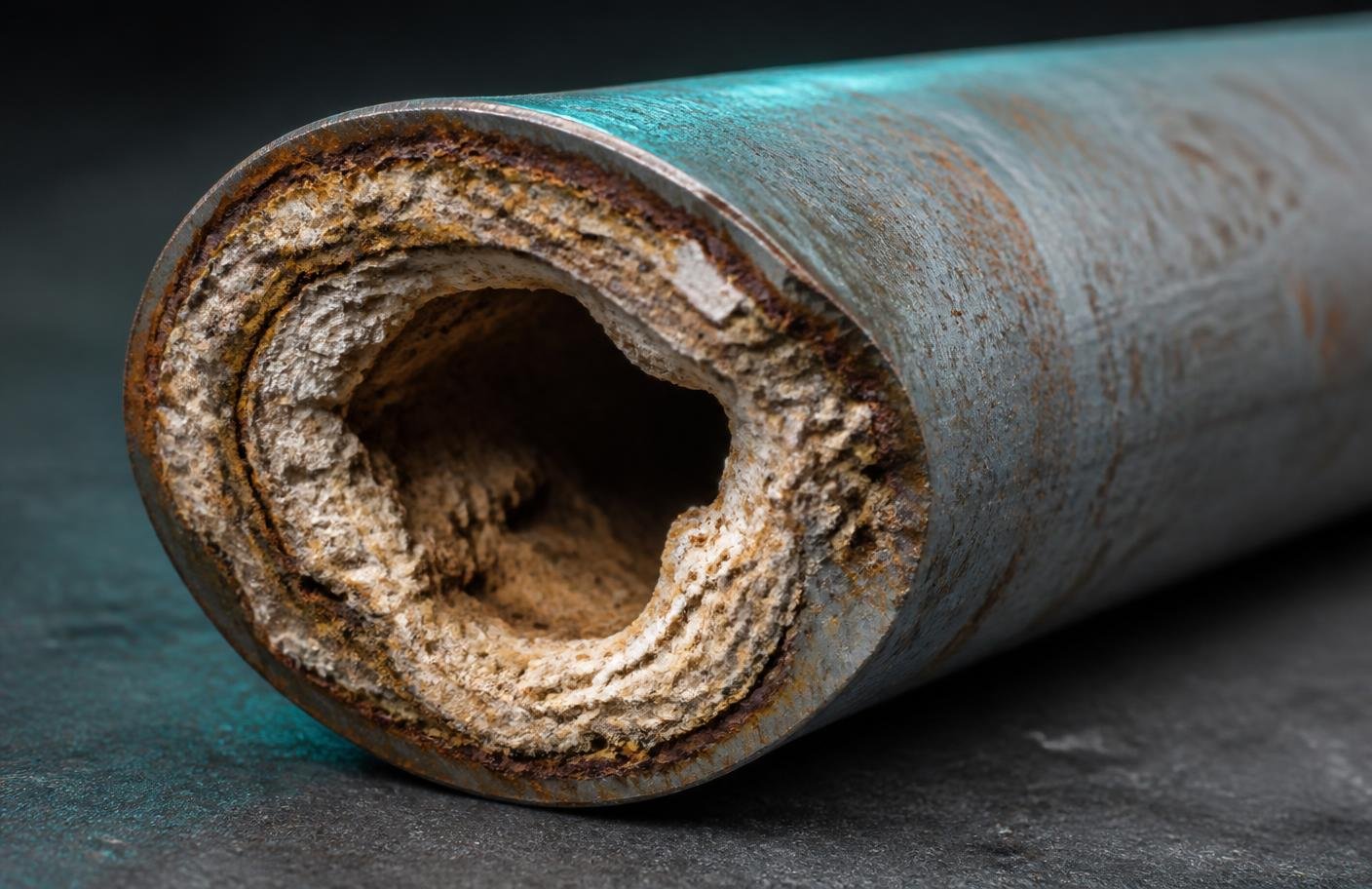
Contrary to common belief, Arizona desert homes face severe freeze risks. Cloudless winter night skies trigger rapid radiational cooling, dropping temperatures into the 20s (24°F–28°F) for 4 to 8 hours. Because Southwestern homes lack basements and have above-ground exterior plumbing, uninsulated pipes burst with explosive hydraulic force. Protect your home with these essential winterizing safeguards:
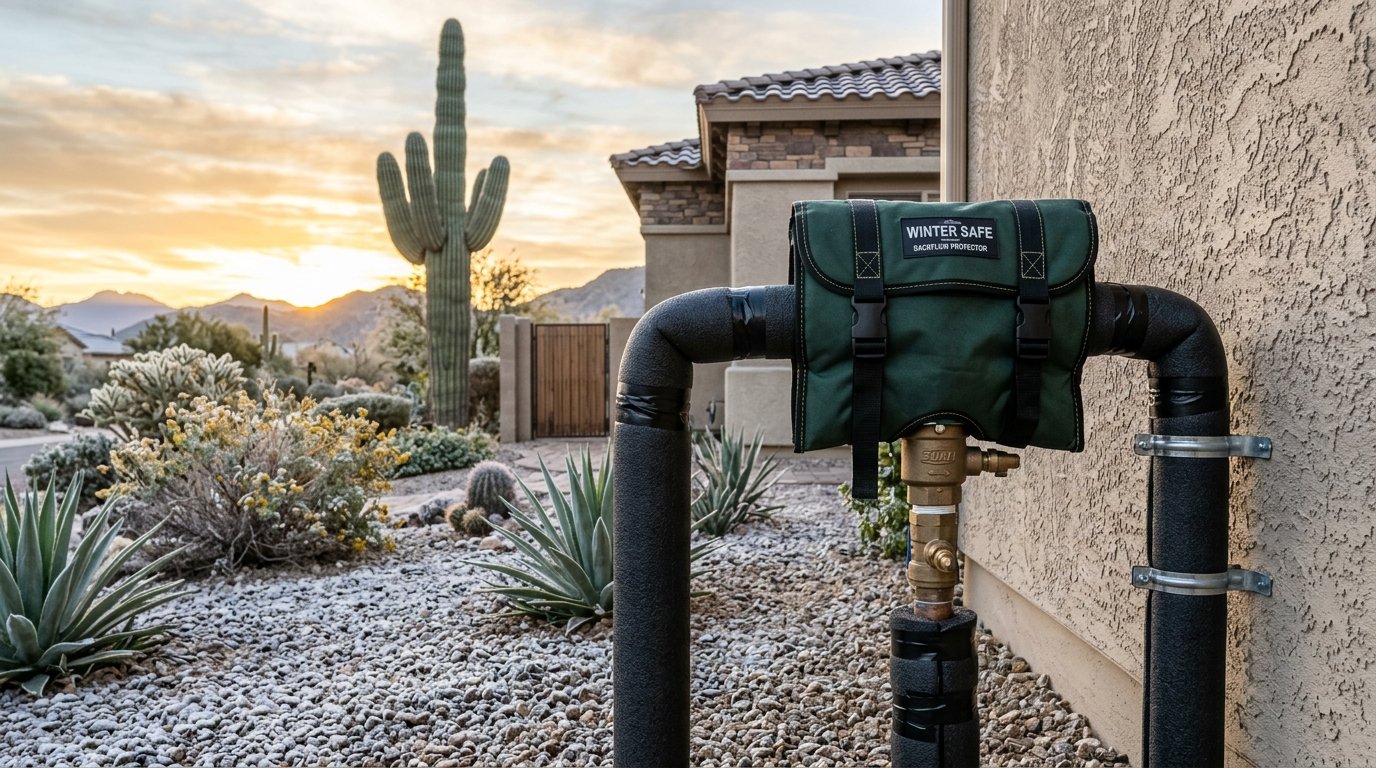
Insulate Backflow Assemblies: Encase brass PVB/RPZ valves in marine-grade thermal freeze pouches with bottom tie-downs.
Wrap Outdoor Copper Risers: Fit 3/4-inch wall closed-cell foam tubing on main water supply lines and tape all seams.
Disconnect Garden Hoses: Remove hoses from spigots to allow internal sillcocks to drain, and fit foam faucet socks.
Open Cabinets During Freezes: When temperatures drop below 28°F, open vanity and kitchen cabinet doors along exterior walls.
Snowbird Vacancy Protocol: Shut off the main water valve at the riser, drain indoor lines, and keep thermostats set at 58°F minimum.
To homeowners moving to the Valley from the Midwest or Northeast, the concept of freezing pipes in the Sonoran Desert sounds like an oxymoron. Arizona is famous for 115°F summers, palm trees, and saguaro cacti. Yet, every winter between late November and mid-February, restoration dispatch centers across Phoenix, Scottsdale, Chandler, and Peoria are inundated with hundreds of emergency calls for catastrophic burst pipe flooding.
The reality is that Arizona homes are far more structurally vulnerable to freeze damage than northern homes. Northern architecture is engineered for subzero weather: plumbing runs through heated basements deep below the frost line, walls have R-21+ insulation, and exterior spigots are frost-proof. In contrast, Arizona homes are built on uninsulated slab-on-grade foundations with domestic water risers, backflow preventers, and irrigation manifolds installed completely outdoors in open air.
1. The Desert Freeze Paradox: Radiational Cooling Mechanics
Why does a climate known for extreme heat experience hard freezes? The answer lies in the physics of desert atmospheric moisture and radiational cooling:
Dry Atmosphere
Desert winter air has extremely low relative humidity (often below 15%) and zero cloud cover. Clouds normally act like a thermal blanket, trapping surface heat near the earth. Without cloud cover, solar heat absorbed by concrete, gravel, and stucco escapes directly into the upper atmosphere the moment the sun sets.
Rapid 40°F Swings
A typical winter day in Scottsdale might reach a comfortable 68°F at 3:00 PM. But by 5:00 AM the following morning, radiational heat loss drives temperatures down to 24°F or 26°F—a massive 40-degree plunge. Unprotected exterior pipes reach freezing equilibrium in under two hours.
The 20,000 PSI Rupture
As water solidifies into ice, its molecular lattice expands by roughly 9% in volume. Constrained inside a rigid copper pipe or brass valve, expanding ice generates hydraulic pressures exceeding 20,000 to 25,000 PSI. Copper pipe walls fracture lengthwise like a zipper.
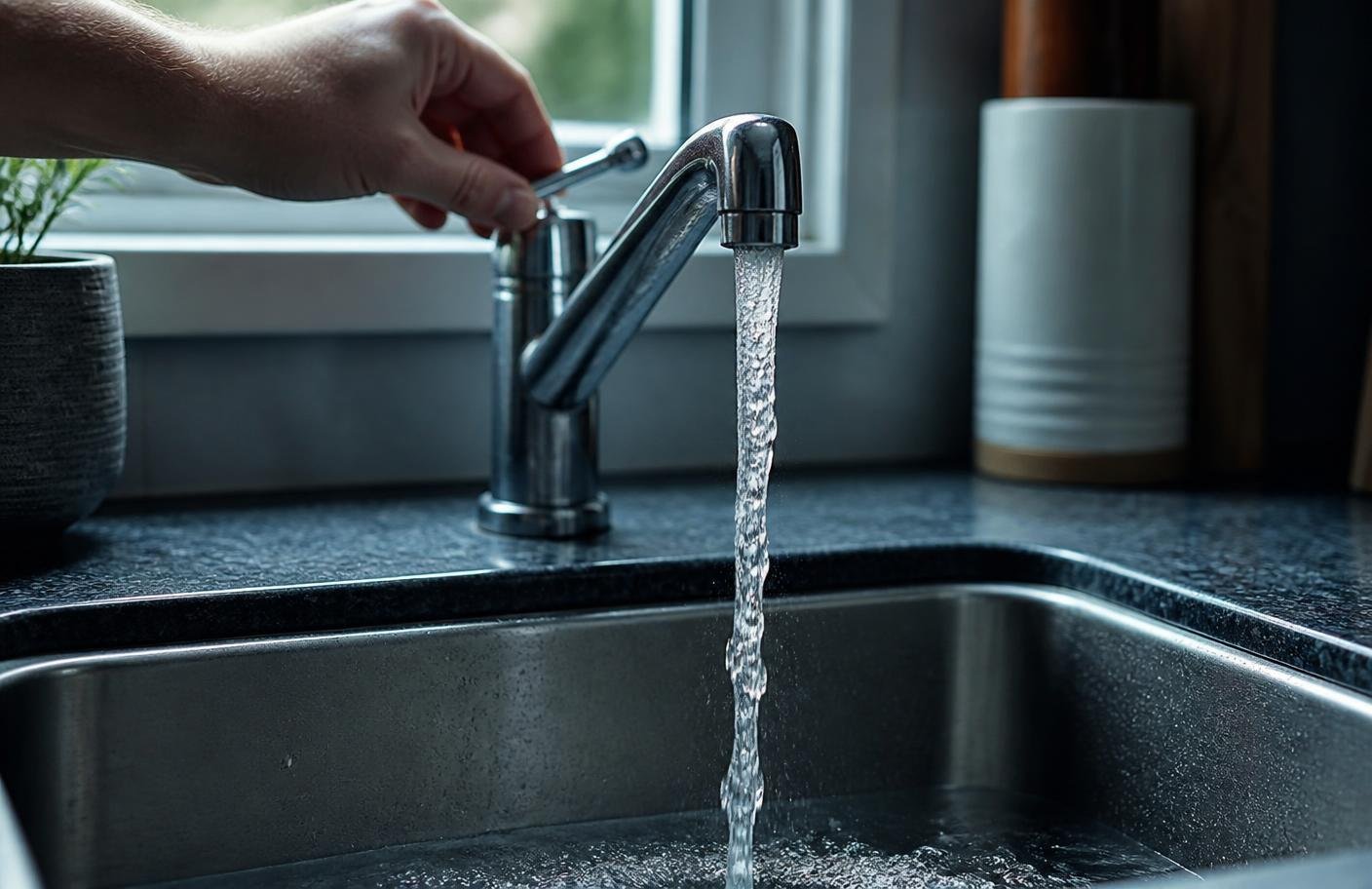
Hose bib winterization: Disconnecting garden hoses and draining exterior spigots before overnight desert freezes prevents hydrostatic expansion and burst pipes.
2. The 4 Most Vulnerable Plumbing Targets in Arizona Homes
When an Arctic cold front dips into Arizona, freeze failures concentrate in four specific architectural zones:
A. Outdoor Backflow Preventer Assemblies (PVBs and RPZs)
Under municipal plumbing codes (Phoenix, Scottsdale, Mesa), every residential irrigation system must include an approved backflow preventer to stop fertilizer-laden sprinkler water from siphoning into drinking lines. In Arizona, these units are installed outdoors, 12 to 18 inches above ground grade. The valve body is cast bronze with thin interior chamber walls and plastic check poppets. Because irrigation lines sit stagnant overnight, standing water freezes solid. The brass body cracks open, and when morning sun thaws the ice, an uninterrupted stream of 70 PSI municipal water sprays thousands of gallons into your yard and foundation.
B. Main Water Service Risers & Pressure Reducing Valves (PRVs)
Your home's primary water service line rises out of the ground directly adjacent to the exterior garage or front hose bibb. It features an exposed brass ball valve and a bell-shaped Pressure Reducing Valve (PRV). The brass diaphragm housing of the PRV contains a large pocket of static water. If left uninsulated, freezing ice ruptures the internal rubber diaphragm and cracks the brass housing, cutting off water to the entire house and causing severe flooding against the stem wall.
C. Uninsulated Attic Plumbing Runs & Exterior Wall Chases
Because Arizona homes have no basements, plumbing contractors frequently route main water supply lines through the attic space to reach bathrooms on the opposite side of the home. During summer, these attics hit 160°F; during winter cold snaps, unconditioned attics drop to ambient outdoor freezing temperatures within hours. If copper pipes are laid above the blown-in fiberglass insulation rather than under it, the pipes freeze. When they rupture, the burst pipe floods through ceiling drywall, destroying insulation, ceiling joists, furniture, and flooring.
D. Outdoor Hose Bibbs with Attached Garden Hoses
Most Arizona homes are built with standard brass hose bibbs rather than deep-seated frost-free sillcocks. Even on homes with frost-free valves, leaving a rubber garden hose or brass splitter attached traps water inside the valve body. As freezing temperatures advance, the trapped ice expands backward through the wall penetration, splitting the copper pipe inside the 2x4 wall cavity. The burst is often invisible until someone turns on the hose weeks later, pumping hundreds of gallons of water directly into the wall framing.
3. Professional Winterizing Equipment & Insulation Standards
Proper winter freeze protection requires engineered materials designed to withstand both subfreezing nights and intense desert UV radiation during the day:
A. Closed-Cell Elastomeric Foam vs. Cheap Pool Noodles
Every winter, hardware stores see homeowners wrapping pipes in beach towels or cheap polyethylene pool noodles. Towels absorb morning dew and rain; when the freeze hits, a wet towel turns into an ice pack that actually accelerates pipe freezing. Pool noodles degrade under Arizona sun within two months, crumbling into toxic foam dust.
Always install 3/4-inch wall thickness closed-cell elastomeric rubber foam insulation (such as Armaflex or K-Flex). Closed-cell foam does not absorb ambient moisture, maintains high thermal resistance (R-value 4.0 to 6.0), and resists UV degradation. Seal all longitudinal seams and mitered corner cuts with heavy-duty acrylic foil insulation tape to prevent cold wind infiltration.
B. Marine-Grade Insulated Freeze Pouches
For exterior backflow preventers, fit a tailored insulated freeze bag made of 600-denier waterproof polyester filled with high-density thermal fiberglass batting and reflective aluminum foil backing. Ensure the pouch covers the valve body completely down to the ground line. Secure the bottom brass grommets with heavy zip ties or a padlock to prevent high desert winter winds from blowing the pouch open.
C. Thermal Dome Faucet Socks
Fit an expanded polystyrene (EPS) or insulated fabric faucet sock over every exterior hose bibb. The dome creates a dead-air space around the spigot, allowing heat radiating from inside the home's wall cavity to keep the valve body above 32°F even during a 24°F overnight cold snap.
Thermal stress damage: Rapid desert freeze-thaw cycles stress aged copper risers and corroded solder joints, causing pinhole fractures and catastrophic water leaks once lines thaw.
4. The Snowbird & Vacation Property Winterizing Protocol
Arizona hosts hundreds of thousands of winter visitors ("snowbirds") who vacate properties for weeks or months at a time. A freeze burst inside an unoccupied home is catastrophic: municipal water can run unchecked for weeks, collapsing ceilings, destroying drywall, and producing widespread black mold throughout the structure.
The 6-Step Snowbird Vacancy Checklist Before Departing
Shut Off the Main Water Valve: Turn off the master brass gate or quarter-turn ball valve on your exterior water riser.
Depressurize the System: Open all indoor faucets (kitchen, bathrooms, laundry) and outdoor hose bibbs to drain standing water and relieve residual pressure.
Maintain Heating at 58°F: Never shut off your furnace or heat pump completely. Keep the thermostat set to heat mode at no lower than 58°F to keep interior wall cavities warm.
Put Water Heater on Vacation Mode: Turn your water heater thermostat to "Vacation" or "Pilot" to prevent energy waste while keeping the tank from freezing.
Bypass Water Softener: Switch the water softener bypass valve to prevent unattended regeneration cycles while the main water is off.
Install Smart Water Leak Monitors: Install an automated smart shutoff valve (such as Moen Flo or Phyn) that monitors water flow and sends instant smartphone alerts.
5. How to Safely Thaw a Frozen Pipe Without Causing a Burst
If you turn on a faucet during a freezing Arizona morning and only get a faint trickle or no water at all, an ice blockage has formed inside the pipe. How you respond in the first 15 minutes determines whether your pipe survives intact or bursts open:
1
Keep the Faucet Open
As you heat the pipe, melting ice turns into liquid and steam. Keeping the faucet valve fully open allows running water to flush out slush and prevents dangerous pressure from building up behind the ice plug.
2
Locate the Frozen Section
Trace the line backward. Look for exterior copper risers, uninsulated garage plumbing, or pipes running along north-facing exterior walls. Check for frost coating the outside of the pipe or subtle bulging.
3
Apply Gentle, Controlled Heat
Use a standard hair dryer, an electric heating pad wrapped around the pipe, or towels soaked in hot water. Start warming from the faucet end and work backward toward the blockage. Never use an open flame, propane torch, or heat gun, which ignites wall studs and causes steam explosions inside the copper.
4
Inspect for Fractures Immediately
Once water begins flowing freely, inspect every inch of the exposed pipe for hairline fractures. If you see water spraying from a seam, immediately shut off the main water valve at the street or riser.
Review this technical engineering matrix to evaluate every vulnerable plumbing component, critical freeze thresholds, and professional defense standards:
Plumbing Component
Location & Exposure
Critical Freeze Temp
Recommended Insulation
Emergency Action
Backflow Preventer (PVB/RPZ)
Outdoors, 12–18" above ground in yard or side setback; thin bronze casting.
30°F for >3 hours
Marine-grade 600D insulated freeze bag with foil backing; tie down grommets.
Close isolation ball valves; drain test cocks with flathead screwdriver.
Main Water Riser & PRV
Exterior wall, emerging from slab into brass pressure reducing valve.
28°F for >4 hours
3/4" wall closed-cell elastomeric rubber tubing; seal seams with acrylic foil tape.
If frozen, thaw with hair dryer from top down; keep main meter key handy.
Outdoor Hose Bibbs
Exterior stucco walls; non-frost-free spigots with attached garden hoses.
28°F for >2 hours
Disconnect hoses immediately; install molded EPS foam faucet socks with tie loops.
Disconnect hose; if pipe split inside wall, shut off main water immediately.
Attic Domestic Water Lines
Above ceiling joists; uninsulated attic space subject to ambient chill.
24°F for >5 hours
Bury pipes beneath R-38 fiberglass insulation; wrap in closed-cell foam.
Leave cold faucets dripping 1 drop/2 sec; open attic hatch slightly during freezes.
Under-Sink Exterior Walls
Kitchen and master bath vanities installed against uninsulated exterior walls.
26°F for >4 hours
Insulate wall cavity with spray foam; wrap copper P-traps and supply lines.
Open cabinet doors overnight to let central home heating circulate around pipes.
Step-by-Step Arizona Home Winterizing Checklist
Execute this systematic winterizing sequence before Thanksgiving to ensure zero freeze failures all winter:
1
Disconnect All Outdoor Hoses, Timers & Splitters
Unscrew all hoses, brass splitters, and electronic battery-powered hose timers from outdoor spigots. Drain them and store them in the garage. Never leave a hose attached over winter.
2
Install 3/4-Inch Foam Tubing on All Copper Risers
Measure your copper lines and install 3/4-inch wall thickness closed-cell rubber foam insulation tubes from the ground line to the top of the riser. Wrap all joints and elbows with UV-resistant acrylic foil tape.
3
Encase the Backflow Preventer in an Insulated Freeze Bag
Slip an insulated, foil-backed freeze pouch over the backflow valve assembly. Seal the Velcro bottom seam tightly around the insulated vertical pipes and secure through the brass grommets with heavy zip ties.
4
Cap Exterior Spigots with Thermal Faucet Socks
Install a foam dome faucet sock over each exterior spigot. Tighten the sliding lock cord securely against the stucco wall to block cold air drafts from entering the pipe stem.
When the National Weather Service issues a Freeze Warning for the Valley: open all kitchen and bathroom cabinet doors along exterior walls, and let the faucet furthest from the main water meter drip at 1 drop per 2 seconds.
Does it really get cold enough in Phoenix and Tucson to freeze and burst pipes?
Yes, absolutely. While daytime desert temperatures remain mild, cloudless winter skies trigger rapid radiational cooling between December and February. Overnight temperatures across Phoenix, Scottsdale, Mesa, and Tucson frequently drop into the mid-20s (24°F to 28°F) for 4 to 8 consecutive hours. Because Arizona homes lack basements and feature above-ground exterior plumbing, this duration is more than sufficient to freeze standing water and rupture copper, brass, and PVC pipes.
Why are exterior backflow preventers (PVBs and RPZs) so vulnerable to freezing?
Backflow preventers—such as Pressure Vacuum Breakers (PVBs) and Reduced Pressure Zone (RPZ) assemblies—are installed 12 to 18 inches above ground outdoors with zero thermal protection. They feature thin-walled cast bronze bodies, delicate internal plastic check valves, and small brass test cocks. When water freezes, it expands by approximately 9% with hydraulic forces exceeding 20,000 PSI, instantly cracking the brass casting or blowing out internal springs.
What is the best insulation material for outdoor Arizona plumbing pipes?
The industry standard is 3/4-inch wall thickness closed-cell polyethylene or elastomeric rubber foam tubing (such as Armaflex), secured with all-weather, UV-resistant acrylic foil tape. For the large backflow valve assembly itself, use a heavy-duty, marine-grade insulated freeze pouch (fiberglass or foil-insulated blanket) secured with brass grommets and zip ties at the base to trap ground heat.
Should I leave faucets dripping in Arizona during a freeze warning?
Yes, when overnight low temperatures are forecast below 28°F for more than three hours, let faucets served by exterior walls or attic lines drip at a steady rate of one drop every 2 to 3 seconds (both hot and cold). Moving water prevents ice crystals from forming an impermeable ice blockage. More importantly, an open tap relieves the dangerous hydraulic pressure that builds up between an ice blockage and a closed valve.
Why do attached garden hoses cause outdoor hose bibbs to freeze and burst inside walls?
Leaving a garden hose attached to an outdoor spigot traps residual water inside the faucet barrel. When freezing temperatures hit, that trapped water freezes and expands backward into the home's exterior wall cavity. Even if you have a frost-free sillcock, an attached hose prevents the automatic gravity drain mechanism from working, guaranteeing a pipe split inside your drywall that floods your home the moment the valve is opened in spring.
How should Arizona 'snowbirds' winterize their homes before leaving for the season?
Snowbirds and vacationers should: (1) Shut off the main water supply valve at the exterior riser; (2) Open all indoor faucets and outdoor hose bibbs to relieve pressure and drain lines; (3) Set thermostats to heat mode at no lower than 58°F; (4) Turn water heaters to 'Vacation' or pilot mode; (5) Disconnect and drain exterior irrigation manifolds; and (6) Pour non-toxic RV antifreeze into toilet bowls and P-traps.
How can I safely thaw a frozen copper pipe without causing it to burst?
Never use an open flame, propane torch, or blowtorch, as sudden thermal shock causes copper to fracture and creates an extreme fire hazard. First, open the faucet served by the frozen line. Next, apply gentle, distributed heat using a standard hair dryer, an electric heating pad, or towels soaked in hot water, starting from the faucet end and working backward toward the frozen blockage. Keep your main water shutoff key ready in case the pipe split while frozen.
Does homeowners insurance cover water damage caused by frozen burst pipes?
Most standard homeowners policies (HO-3) cover sudden and accidental water damage resulting from frozen burst pipes, provided you maintained reasonable heat in the home (typically at least 55°F to 60°F) or shut off and drained the plumbing system before vacating. If an insurance adjuster determines that a home was left unheated during winter without water isolation, the claim may be denied for negligence.
IICRC-certified restoration technicians · Phoenix metro
Written and fact-checked by the licensed crew that runs the trucks — the same technicians who take moisture readings, set drying chambers to the IICRC S500 standard, and answer the phone at 2 a.m. across the Phoenix metro.
Licensed Arizona contractor — AZ ROC #331127 (KB-2)